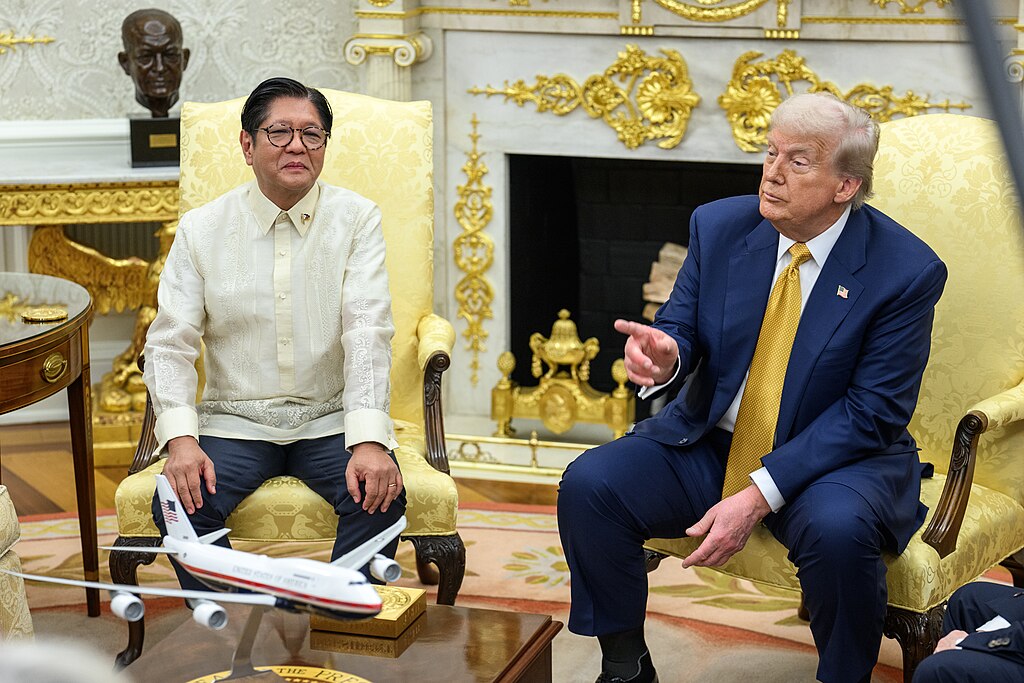
The Trump administration has announced an additional $250 million in aid to the Philippines, aimed at combating tuberculosis, improving maternal health, and addressing emerging disease threats. U.S. Secretary of State Marco Rubio revealed the funding on Thursday, highlighting the initiative as part of President Donald Trump’s new foreign aid strategy.
This announcement follows the $63 million commitment made during Trump’s meeting with Philippine President Ferdinand Marcos Jr. at the White House in July. Rubio emphasized that the aid reflects the “comprehensive bond between the United States and the Philippines” and showcases a more “efficient, time-limited, and narrowly targeted” America First approach to foreign assistance.
The Philippine embassy in Washington expressed appreciation for the aid but offered no further comments. The pledge underscores Washington’s continued strategic interest in strengthening bilateral ties with Manila while shifting away from traditional aid models such as USAID.
The Trump administration has consistently sought to reduce foreign assistance, attempting to withhold billions of dollars allocated by Congress as part of its broader “America First” policy. Despite these efforts, lawmakers, led by Republicans, have set aside billions in foreign aid funding, including $11 billion that must be allocated before the September 30 deadline.
After facing lawsuits, the administration agreed to release $6.5 billion in aid but continues to fight in court to block another $4 billion. The dispute is currently under review by the U.S. Supreme Court.
The latest pledge to the Philippines highlights Trump’s direct aid strategy, which prioritizes targeted investments in key areas while scaling back traditional multilateral pipelines. As Washington redefines its foreign assistance framework, the Philippines emerges as a key partner in regional health and security cooperation.