


 US Judge Dismisses Imran Ahmed Deportation Lawsuit
  FDA Names Permanent Drug and Biologics Center Chiefs
  Venezuela Nears Deal to Move $4 Billion in Gold to New York Fed
  US Allies Fear Trump Could Soften Taiwan Stance in Xi Talks
  South Korea’s Cho Hyun to Meet Rubio in Washington
  Najib Razak Granted House Arrest Until 2028
  Rodrigo Duterte Makes First Public Appearance at ICC in 18 Months
  Trump Grants Clemency to Jay-Z Associate Emory Jones
  Iran Economic Crisis Forces Afghan Families to Return Home
  Google Changes EU Spam Policy Amid Antitrust Scrutiny
  Australia Plans New Rules Giving Users Control Over Social Media Feeds
  ICE Agent Arrested in Minneapolis Over Venezuelan Man Shooting
  DOJ Will Investigate AI-Related Crimes, Attorney General Blanche Says
  U.S. Imposes New Visa Restrictions Over South Africa Policies
  France Urges Faster AI Push Despite Safety Risks
  FCC Approves Foreign Investment in $110B Paramount-Warner Bros. Deal
  Synthetic data could ease people’s concerns about privacy breaches. But who gets to create it?


 Add as a preferred source on Google
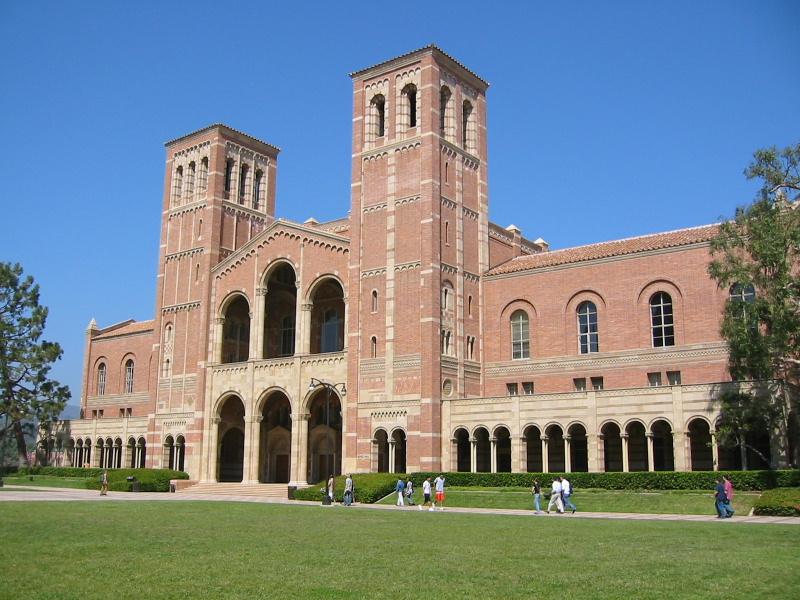
The Trump administration is pursuing a fresh approach to reshape U.S. higher education, shifting from threats to financial incentives in order to push its ideological agenda. On Wednesday, the White House sent a memo titled “A Compact for Academic Excellence in Higher Education” to nine prestigious universities, outlining a set of controversial requirements tied to federal funding eligibility.
The 10-point proposal suggests capping international undergraduate enrollment at 15%, banning race and sex considerations in hiring and admissions, and legally defining gender based on biological sex. It also calls for adoption of the Classic Learning Test as an alternative to the SAT and ACT, while urging the dismantling of university departments accused of suppressing conservative viewpoints.
The memo warns that institutions promoting values outside of the administration’s framework could lose access to federal benefits, while compliant schools would be rewarded. To ensure enforcement, participating universities would need to hire independent auditors, with results reviewed by the Justice Department.
The initiative follows the administration’s repeated clashes with universities over free speech, diversity, climate change, pro-Palestinian protests, and transgender policies. Previous threats to cut federal funds from schools such as Harvard and UCLA faced legal barriers, prompting this shift toward financial “carrots” laced with punitive undertones.
Critics argue the compact undermines academic freedom and amounts to a “loyalty oath.” Todd Wolfson, president of the American Association of University Professors, condemned the move, while the Foundation for Individual Rights and Expression warned that government favoritism in speech sets a dangerous precedent.
The White House confirmed the memo was sent to Vanderbilt, Dartmouth, the University of Pennsylvania, the University of Southern California, MIT, the University of Texas, the University of Arizona, Brown, and the University of Virginia. Responses were mixed—while some schools said they were reviewing the document, the University of Texas expressed enthusiasm for collaboration.
The push highlights the administration’s ongoing campaign to assert unprecedented influence over higher education and its values, raising concerns about long-term impacts on academic independence.







