


 Trump Eyes End to Iran War, Plans Gulf Leaders Meeting
  Pentagon Restarts Testosterone Testing for US Troops
  U.S. Imposes New Visa Restrictions Over South Africa Policies
  Paris Talks Focus on Lebanon Army Needs as UNIFIL Exit Looms
  Brazil Warns EU of Retaliation Over Animal Products Ban
  Houthis Seize Bab el-Mandeb as Military Power Grows
  FCC Approves Foreign Investment in $110B Paramount-Warner Bros. Deal
  US Judge Dismisses Imran Ahmed Deportation Lawsuit
  Trump Says US Army Base in Poland Talks Make Progress
  Trump Threatens EU Tariffs Over Canada Membership Proposal
  ICE Agent Arrested in Minneapolis Over Venezuelan Man Shooting
  Bessent Presses Japan on Fiscal Policy as Yen Struggles
  Synthetic data could ease people’s concerns about privacy breaches. But who gets to create it?
  Guterres Urges Stronger Global AI Safeguards Ahead of UN Assembly
  Trump Grants Clemency to Jay-Z Associate Emory Jones
  FBI, Coast Guard Board Ships After Cyberattacks


 Add as a preferred source on Google
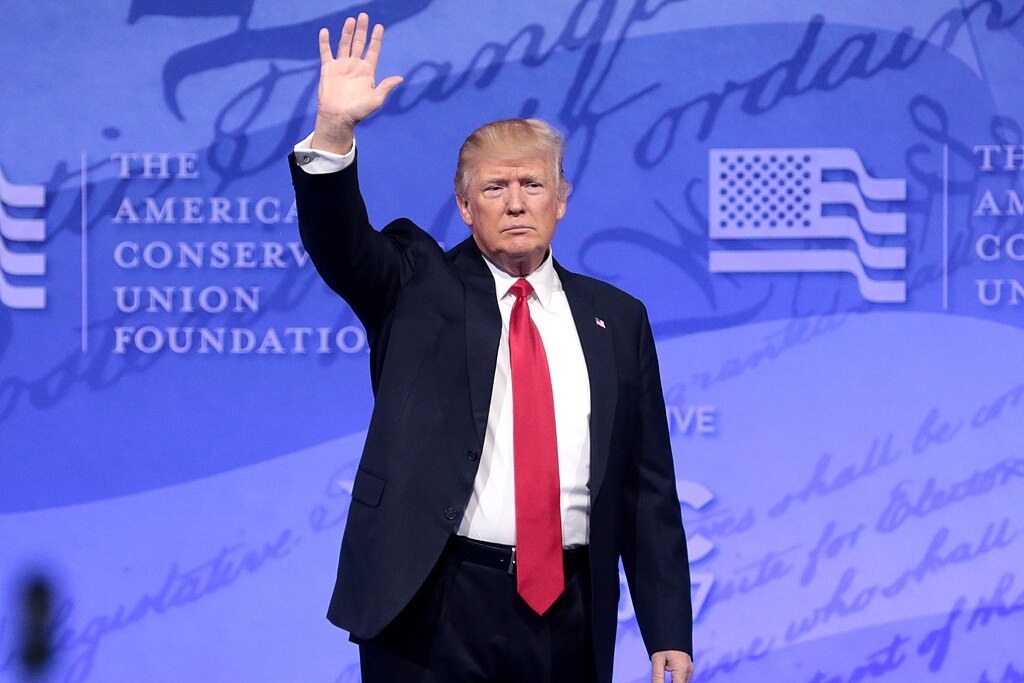
The Trump administration has formally asked the U.S. Supreme Court to review the constitutionality of President Donald Trump’s executive order aimed at ending birthright citizenship, according to a report from CNN. The controversial order, issued on January 20—the same day Trump returned to office—seeks to restrict automatic citizenship for children born in the United States unless at least one parent is an American citizen or a lawful permanent resident holding a green card.
Birthright citizenship has long been a cornerstone of U.S. immigration policy, rooted in the 14th Amendment, which grants citizenship to “all persons born or naturalized in the United States.” Trump’s executive order challenges this interpretation by directing federal agencies not to recognize the citizenship of U.S.-born children of undocumented immigrants or foreign nationals without legal status.
Supporters of the executive order argue that it addresses what they describe as abuses of the immigration system, claiming that birthright citizenship encourages “birth tourism” and creates unfair advantages for undocumented families. Critics, however, strongly oppose the move, arguing that it is unconstitutional and discriminatory. Immigration advocates warn that if the order is upheld, it could strip citizenship from thousands of U.S.-born children, creating stateless individuals and legal chaos.
The administration’s petition to the Supreme Court escalates an already heated legal battle, as lower courts are expected to weigh in before the nation’s highest court potentially makes a landmark ruling. Legal experts say the case could reshape immigration law and redefine the scope of the 14th Amendment in ways unseen for over a century.
As the debate continues, the issue of birthright citizenship remains one of the most divisive topics in American immigration policy. With the Supreme Court’s involvement, the future of this constitutional guarantee now hangs in the balance, making it a pivotal case with far-reaching consequences for families, immigrants, and the nation’s legal framework.







