


 Merz Rejects AfD Alliance After Saxony-Anhalt Surge
  Oil Prices Climb as Iran Threatens Gulf Energy Infrastructure
  Asian Currencies Mixed as Yen Rallies on BOJ Bets
  Trump Grants Clemency to Jay-Z Associate Emory Jones
  SEC Sues Former Tricolor Executives Over $1.9 Billion Investor Fraud Scheme
  Iran Vows Tougher Response as U.S. Sanctions Squeeze Economy
  Iran Allows Iraqi Oil Tankers Through Strait of Hormuz
  China Boosts Gold Reserves by 650,000 Ounces as Prices Rally
  US Judge Dismisses Imran Ahmed Deportation Lawsuit
  Iran Strikes U.S.-Used Jordan Base as Gulf War Escalates
  Countries Tighten Social Media Bans for Children
  Canada Retaliatory Tariffs on U.S. Goods Take Effect
  Cuba Says No US Talks as Blockade Costs Hit $8.1 Billion
  China Exports Surge 25% in August as Trade Surplus Hits $119 Billion
  Trump Imposes New Tariffs on Drone Imports Over US Security Concerns
  Oil Prices Rally as Brent Nears $100 on U.S.-Iran Escalation
  US Bans Canadian Alcohol, Motorcycles as Trade War Escalates


 Add as a preferred source on Google
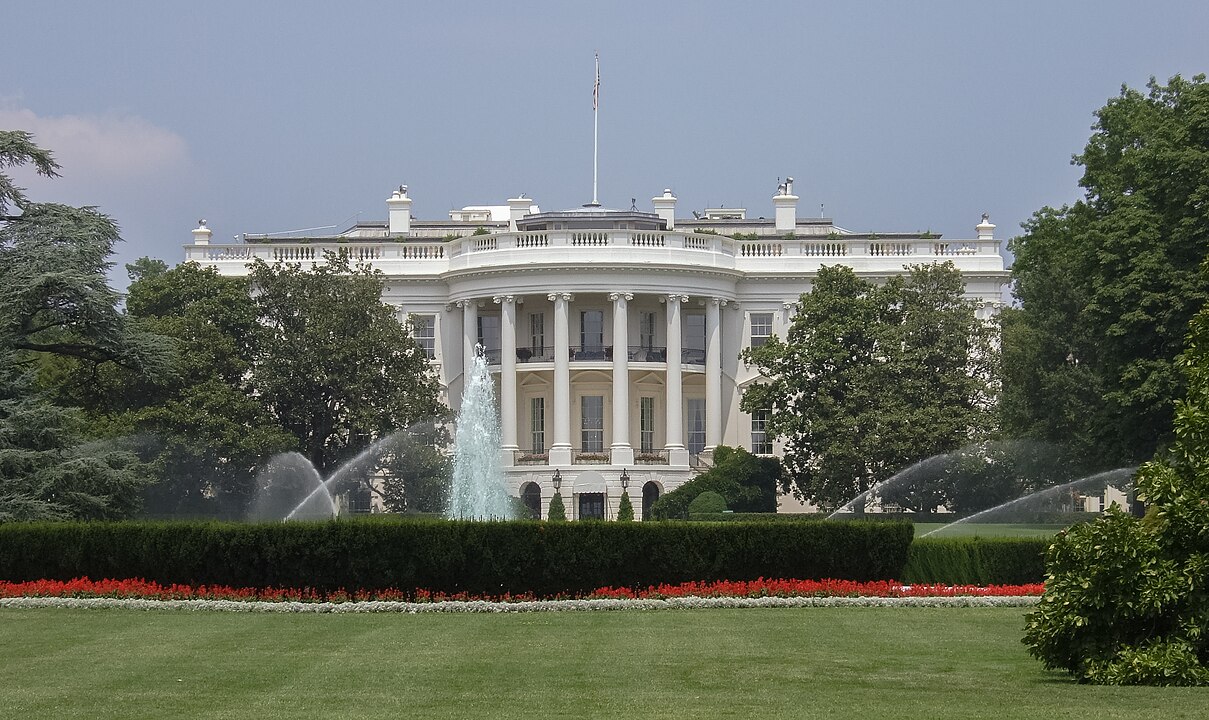
The Trump administration is exploring a temporary tariff measure that could impact vast portions of the global economy, according to a Wall Street Journal report citing sources familiar with the matter. The plan involves leveraging an existing trade law that permits the imposition of tariffs of up to 15% for a period of 150 days.
While the administration has not yet finalized its decision, discussions are underway to determine the timing and scope of the proposed action. The potential move comes as the U.S. government seeks new avenues to protect domestic industries and reinforce its economic stance amid growing trade tensions.
This development follows a recent legal twist—on Thursday, a federal appeals court temporarily reinstated Trump’s sweeping tariff policies that were previously blocked by a trade court ruling. The reinstatement gives the administration a legal opening to revisit broader tariff strategies, though officials may still opt to delay implementing any new plans.
If enacted, the proposed tariffs could significantly impact international trade, escalating tensions with key global partners while boosting certain domestic sectors. Such a measure may also face legal challenges or retaliatory actions from affected countries.
The law being considered reportedly offers the executive branch short-term authority to introduce tariffs without needing congressional approval, making it a potentially attractive option for the administration to act swiftly during a politically sensitive period.
This tariff strategy aligns with Trump’s broader economic policy goals of strengthening U.S. manufacturing, addressing trade imbalances, and reshaping global supply chains. However, analysts caution that such sweeping measures could disrupt markets and increase costs for American consumers and businesses alike.
The White House has not officially commented on the proposal. Further developments are expected as internal deliberations continue.







