


 Mexico Pushes for US Trade Deal Before Midterms
  Australia Plans New Rules Giving Users Control Over Social Media Feeds
  Trump Bans CNN, MS NOW and Politico From White House
  Nvidia-Groq AI Chip Deal Faces U.S. Antitrust Probe
  Who should own the knowledge that underpins AI technology?
  US-China Experts Push AI Nuclear Safeguards to Prevent Military Escalation
  Trump Grants Clemency to Jay-Z Associate Emory Jones
  US Immigration Arrests Surge as Deportations Lag Behind
  US Allies Fear Trump Could Soften Taiwan Stance in Xi Talks
  Appeals Court Rejects Trump Third-Country Deportation Policy
  US Resumes Immigrant Visa Processing for Hungary, Poland
  Trump Threatens EU Tariffs Over Canada Membership Proposal
  SEC Seeks ISS Client Voting Records in Proxy Adviser Probe
  FDA Weighs Safety Standards for Psychedelic Therapies
  Iran Economic Crisis Forces Afghan Families to Return Home
  Yemen Fighting Threatens Red Sea Oil Routes
  France Targets Shein, Temu With Fast-Fashion Fees


 Add as a preferred source on Google
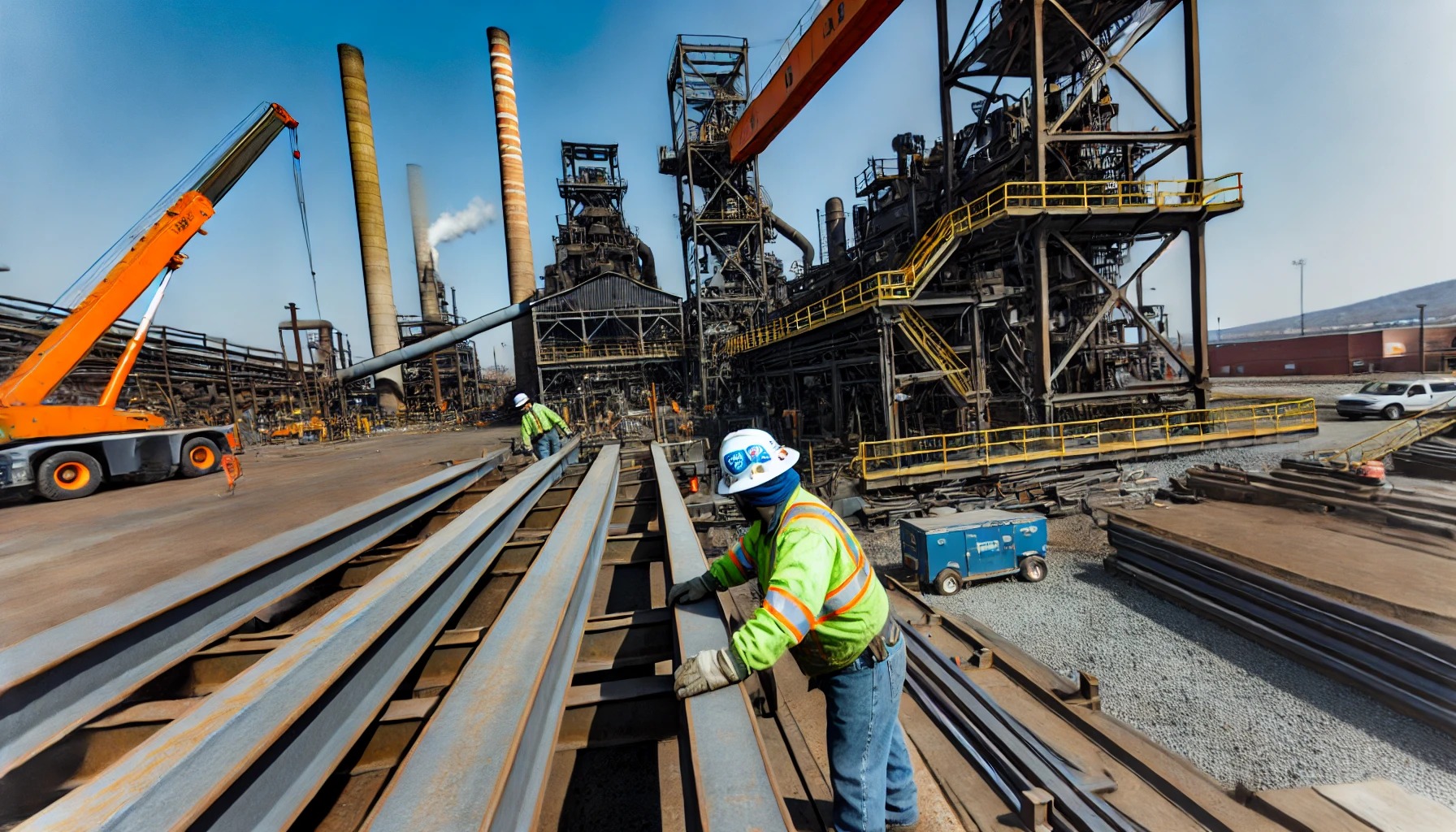
U.S. President Donald Trump has officially raised tariffs on steel and aluminum imports from 25% to 50%, citing national security concerns. The new duties, effective Wednesday, target both raw materials and derivative products. Trump stated the move aims to reduce America’s reliance on foreign metals and enhance the competitiveness of domestic producers.
In a proclamation published on the White House website, Trump said that unchecked steel and aluminum imports could "threaten to impair national security" and that higher tariffs would deter unfair trade practices like dumping. The revised tariffs also include downstream products made from these metals.
Notably, the United Kingdom will be exempt from the increased tariffs due to a prior trade agreement signed in early May. Imports from the UK will continue to be taxed at the original 25% rate.
While the administration claims the tariffs will benefit U.S. metal manufacturers, critics warn of higher costs for American businesses that depend on imported steel and aluminum. These additional costs are likely to be passed on to manufacturers and consumers, potentially weakening sectors such as automotive, construction, and heavy equipment.
Analysts note that transitioning to more domestic production could take years, with high upfront investments and infrastructure delays posing challenges. In the meantime, U.S. importers are expected to bear the brunt of rising expenses, adding pressure to local supply chains.
The tariff hike comes amid renewed trade tensions and marks a significant escalation in Trump’s protectionist trade policy. As industries brace for increased operational costs, the long-term impact on American manufacturing remains uncertain.







