


 Who should own the knowledge that underpins AI technology?
  US Immigration Arrests Surge as Deportations Lag Behind
  Paris Talks Focus on Lebanon Army Needs as UNIFIL Exit Looms
  Trump Eyes End to Iran War, Plans Gulf Leaders Meeting
  Bessent Presses Japan on Fiscal Policy as Yen Struggles
  South Korea’s Cho Hyun to Meet Rubio in Washington
  US-China Experts Push AI Nuclear Safeguards to Prevent Military Escalation
  UN Allows Mahmoud Abbas Video Address After US Visa Denial
  Trump Threatens EU Tariffs Over Canada Membership Proposal
  US Judge Dismisses Imran Ahmed Deportation Lawsuit
  DOJ Will Investigate AI-Related Crimes, Attorney General Blanche Says
  FAA Allows Boeing to Sell 35 More 777F Freighters Beyond 2028
  Nvidia-Groq AI Chip Deal Faces U.S. Antitrust Probe
  Australia Defends Social Media Algorithm Law Amid US Concerns
  Rodrigo Duterte Makes First Public Appearance at ICC in 18 Months
  Trump Says US Army Base in Poland Talks Make Progress
  US Officials Meet Houthis in Oman Amid Yemen Offensive


 Add as a preferred source on Google
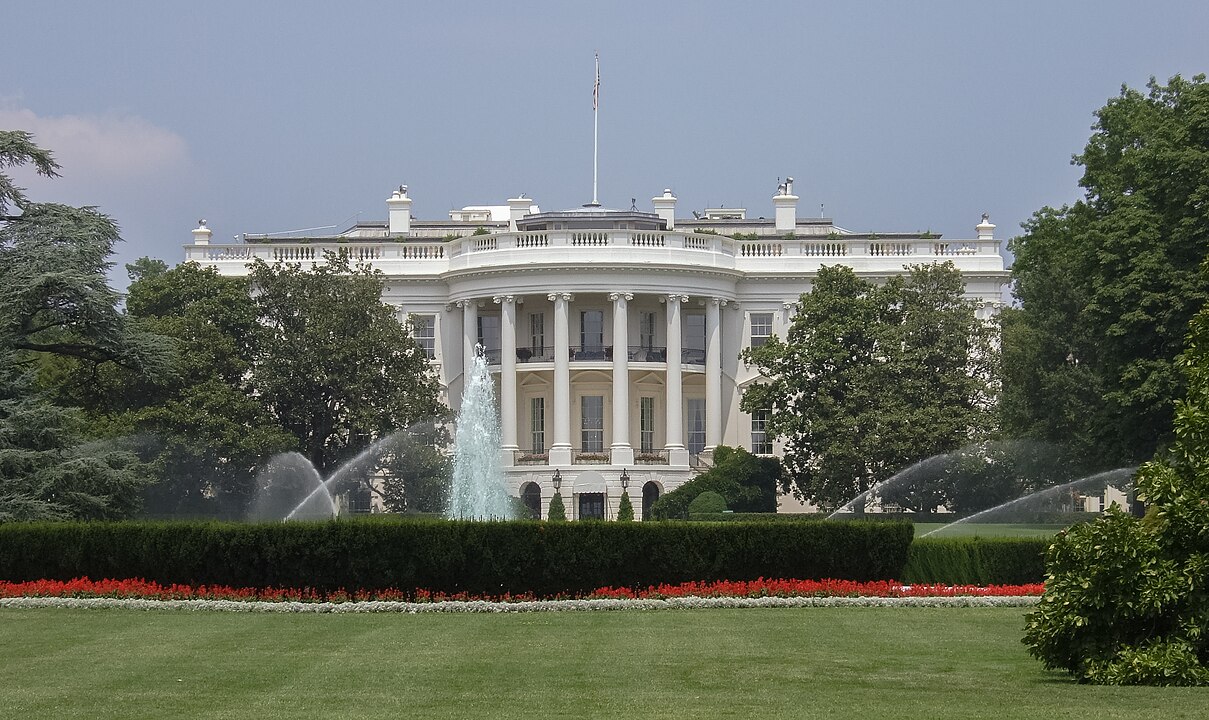
The White House has dismissed most members of the National Council on the Humanities, leaving only four appointees in place, according to the council’s official website. The move, first reported by the Washington Post, was confirmed by a statement from the White House, which said President Donald Trump seeks to appoint members who “align more closely with his vision.”
The National Council on the Humanities, composed of 26 scholars and experts, serves as an advisory body to the National Endowment for the Humanities (NEH). Members, appointed by the president for six-year terms, provide guidance on grants, funding, and policy matters. However, as of Wednesday, only Russell A. Berman, Keegan F. Callanan, William English, and Matthew Rose remain listed as active council members.
According to the Post, council members received an email from the White House Presidential Personnel Office stating: “On behalf of President Donald J. Trump, I am writing to inform you that your position as a member of the National Council on the Humanities is terminated, effective immediately.” The dismissals included individuals Trump himself had previously appointed. The NEH has not yet responded to media requests for comment.
The council requires at least 14 members present for a quorum, and new appointments must be confirmed by the Senate. This latest shake-up could delay council activity until replacements are confirmed.
Rights and cultural advocates have expressed concern over Trump’s continued criticism of arts, education, and cultural institutions. He has frequently accused universities, museums, and public broadcasters such as NPR and PBS of promoting what he calls “anti-American values.” Trump has also threatened to cut funding for institutions that support diversity programs, climate change initiatives, transgender policies, or pro-Palestinian demonstrations against U.S. ally Israel.
Targets of his criticism have ranged from elite universities and the Smithsonian Institution to the Kennedy Center. Advocates warn that dismissals at the NEH may undermine decades of progress in supporting humanities programs, historical preservation, and cultural recognition.







