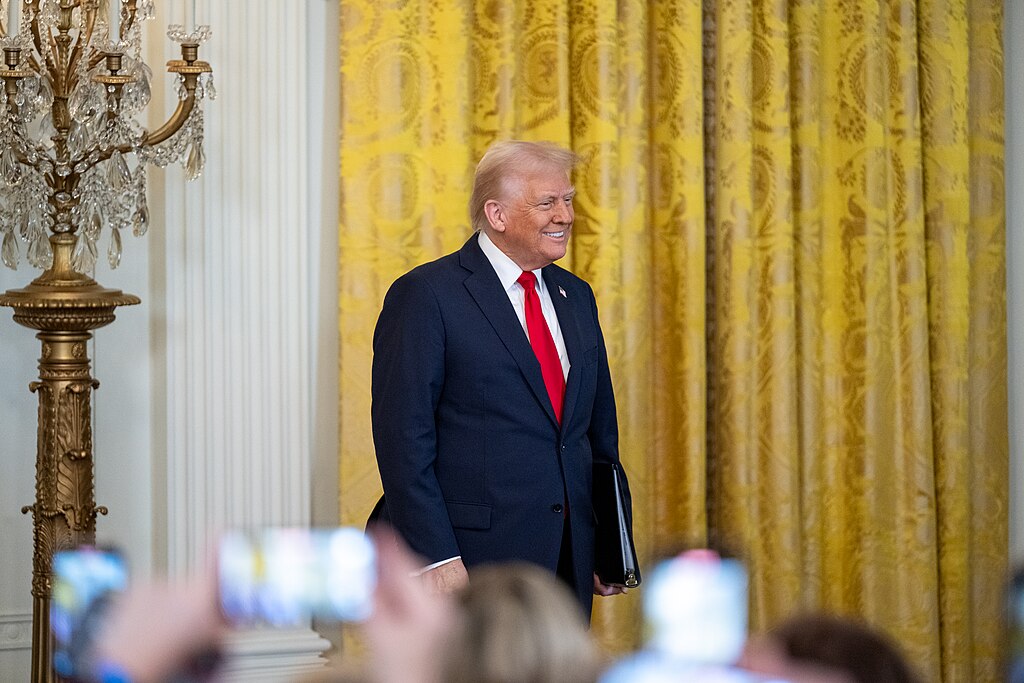
In a rare diplomatic move, U.S. President Donald Trump hosted Pakistan’s army chief, Field Marshal Asim Munir, at the White House—marking the first time a U.S. president welcomed Pakistan’s military head without civilian leadership. The meeting stirred tensions with India, as Trump reiterated claims that he personally halted a potential nuclear conflict between India and Pakistan.
Trump said he was “honored” to meet Munir and thanked him for his role in ending recent hostilities with India. He also praised Indian Prime Minister Narendra Modi, whom he spoke to the night before, saying both leaders helped avert war. “They’re both nuclear countries. I got it stopped,” Trump told reporters.
While Pakistan acknowledged U.S. mediation, India firmly denied any third-party involvement. Indian Foreign Secretary Vikram Misri stated that the ceasefire was arranged directly through military channels, with no discussions involving U.S. trade or diplomacy. Modi also declined a White House visit, citing scheduling conflicts.
The India-Pakistan conflict, which flared after a deadly April 22 attack in Kashmir, escalated with cross-border airstrikes and artillery exchanges. The violence subsided after a May 7 ceasefire, which Pakistan claims followed a returned call from its military.
Trump’s comments have sparked concerns in New Delhi, especially as Washington strengthens ties with India to counterbalance China. Experts warn that Trump’s assertions about mediating peace in Kashmir—a region both India and Pakistan claim—could strain U.S.-India relations.
Pakistan’s condemnation of Israel’s recent airstrikes on Iran was also reportedly discussed. As Trump eyes a Nobel Peace Prize nomination for his claimed role in stopping a nuclear war, analysts note the challenge of balancing U.S. ties with both South Asian rivals amid rising regional tensions.