


 China Exports Surge 25% in August as Trade Surplus Hits $119 Billion
  Israel Strikes Southern Lebanon After Hezbollah Drone Attack
  Yen Rebounds as BOJ Rate Hike Bets Rise
  Iran Vows Tougher Response as U.S. Sanctions Squeeze Economy
  US Stock Futures Mixed as Strong Jobs Data Boosts Fed Rate Hike Bets
  USS Abraham Lincoln Leaves Thailand After Five-Day Port Visit
  SEC Seeks ISS Client Voting Records in Proxy Adviser Probe
  China to Inject $45 Billion Into State Financial Institutions
  South Korea GDP Surges on Chip and AI Boom
  New Zealand Moves to Ban Social Media for Children Under 16
  AfD Eyes Historic Win in Saxony-Anhalt Election
  Iran Threatens US With ‘Economic Warfare’ as Gulf Tensions Rise
  Trump Threatens Bombardier U.S. Sales Ban
  Canada Retaliatory Tariffs on U.S. Goods Take Effect
  Hormuz Shipping Slows as Iran Threats Lift Oil Risks
  Jefferies Names 6 Top India Stock Picks Across Key Sectors
  Gold Holds Near $4,400 as Fed Hike Bets Rise


 Add as a preferred source on Google
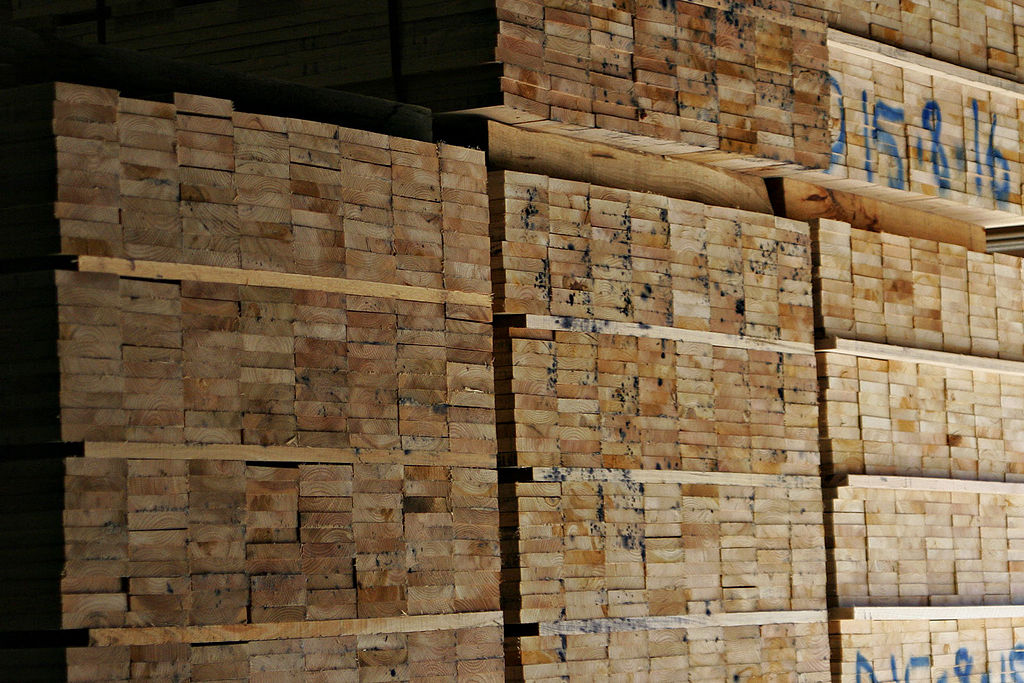
U.S. President Donald Trump has announced a new wave of tariffs targeting lumber, furniture, and kitchen fittings in an effort to strengthen domestic manufacturing and reduce reliance on imported goods. The tariffs, revealed Monday evening, are set to take effect on October 14 following a Commerce Department investigation ordered earlier this year.
Under the new trade measures, the U.S. will impose a 10% tariff on softwood lumber and timber imports, a 25% tariff on kitchen cabinets and vanities, and a 25% tariff on upholstered wooden furniture. These tariffs are designed to protect U.S. mills and wood supply chains from being undercut by foreign competition, according to Trump’s proclamation.
The Commerce Department’s investigation concluded that the current level of wood product imports is weakening the U.S. economy and negatively impacting local wood producers. It also found that the United States has “ample” raw materials and production capacity to meet domestic demand, a key factor in the decision to raise tariffs.
Trump emphasized that the move aligns with his broader policy of promoting “Made in America” manufacturing and reducing dependence on foreign supply chains. Just last week, the administration had announced a 100% tariff on pharmaceutical imports, signaling an aggressive push to protect local industries across multiple sectors.
The latest proclamation reflects Trump’s ongoing efforts to revive American manufacturing jobs by curbing imports and encouraging companies to source and produce locally. Supporters argue that these tariffs will create new opportunities for U.S. businesses, while critics warn they could raise costs for consumers and strain relationships with trade partners.
With these tariffs in place, the U.S. government aims to bolster domestic production, safeguard local jobs, and strengthen supply chain resilience at a time when economic independence has become a central focus of trade policy.







