


 Trump Grants Clemency to Jay-Z Associate Emory Jones
  ICE Agent Arrested in Minneapolis Over Venezuelan Man Shooting
  UN Allows Mahmoud Abbas Video Address After US Visa Denial
  Judge Blocks Trump Rule Limiting Foreign Student Visas
  Brazil Warns EU of Retaliation Over Animal Products Ban
  Australia Plans New Rules Giving Users Control Over Social Media Feeds
  Who should own the knowledge that underpins AI technology?
  Paris Talks Focus on Lebanon Army Needs as UNIFIL Exit Looms
  Australia Tightens Student Visa Rules, Targets Migration Cut by 2028
  Rodrigo Duterte Makes First Public Appearance at ICC in 18 Months
  US Allies Fear Trump Could Soften Taiwan Stance in Xi Talks
  Najib Razak Granted House Arrest Until 2028
  Trump Hopes Iran War Nears End as Yemen Fighting Escalates
  DOJ Will Investigate AI-Related Crimes, Attorney General Blanche Says
  Japan, U.S. Discuss $19 Billion GlobalFoundries Chip Plant
  Vietnam, U.S. Firms Plan 29 Deals Across Energy, Tech and Aviation
  FAA Allows Boeing to Sell 35 More 777F Freighters Beyond 2028


 Add as a preferred source on Google
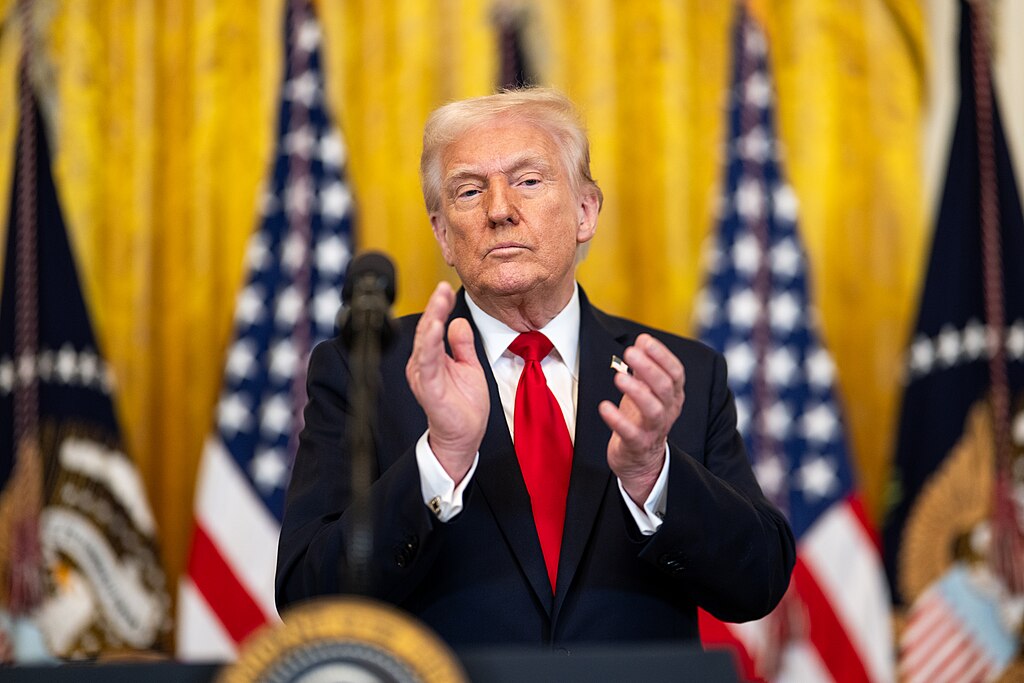
U.S. President Donald Trump announced that the Pentagon, under his orders, destroyed a vessel allegedly transporting narcotics in the U.S. Southern Command’s (SOUTHCOM) area of responsibility. According to Trump, the strike killed three suspected “narcoterrorists,” though no evidence has been presented. Aerial footage posted on Truth Social showed the vessel being hit by projectiles before erupting in flames.
The strike marks at least the third U.S. attack on suspected drug boats in recent weeks. It coincides with a significant military buildup in the southern Caribbean, including seven U.S. warships, a nuclear-powered submarine, and the deployment of 10 F-35 stealth fighters, five of which recently landed in Puerto Rico.
Earlier this month, U.S. Defense Secretary Pete Hegseth told troops in the region that they were on the “front lines” of counter-narcotics operations, rather than routine training. The Trump administration previously confirmed a September 2 strike targeting an alleged Venezuelan gang vessel. However, Venezuela denied the claim, insisting those killed were not affiliated with the Tren de Aragua gang.
Venezuelan President Nicolas Maduro accused Washington of using the strikes as a pretext to destabilize his government. The U.S. recently doubled its reward for information leading to Maduro’s arrest to $50 million, citing alleged ties to drug trafficking—an accusation Maduro denies.
Human rights organizations, including Human Rights Watch, have condemned the operations as “unlawful extrajudicial killings.” Critics argue that the drug trade does not constitute an armed conflict under international law and warn that bypassing judicial process undermines U.S. human rights obligations.
The legality of striking and destroying suspected drug vessels instead of seizing them remains highly controversial, raising concerns over accountability and congressional oversight in military operations.







