


 SEC Seeks ISS Client Voting Records in Proxy Adviser Probe
  Iran Economic Crisis Forces Afghan Families to Return Home
  South Korea’s Cho Hyun to Meet Rubio in Washington
  Judge Blocks Trump Rule Limiting Foreign Student Visas
  US Judge Dismisses Imran Ahmed Deportation Lawsuit
  FBI, Coast Guard Board Ships After Cyberattacks
  South Korea’s Lee Rules Out Military Role in Middle East War
  Trump Grants Clemency to Jay-Z Associate Emory Jones
  U.S. Imposes New Visa Restrictions Over South Africa Policies
  Pentagon Restarts Testosterone Testing for US Troops
  Paris Talks Focus on Lebanon Army Needs as UNIFIL Exit Looms
  Australia Tightens Student Visa Rules, Targets Migration Cut by 2028
  US Confirms Weapons in Orbit as Space Tensions Rise
  Australia Defends Social Media Algorithm Law Amid US Concerns
  Who should own the knowledge that underpins AI technology?
  ICE Agent Arrested in Minneapolis Over Venezuelan Man Shooting
  Trump Eyes End to Iran War, Plans Gulf Leaders Meeting


 Add as a preferred source on Google
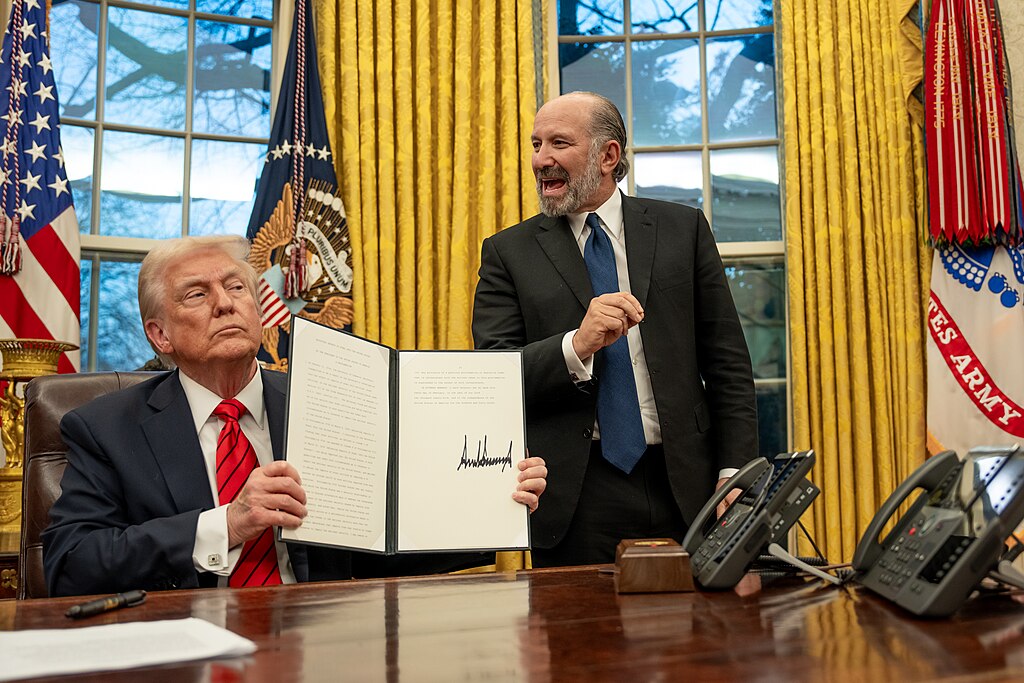
The Trump administration announced plans to impose a $100,000 annual fee on companies employing foreign workers through the H-1B visa program, a move that could reshape the U.S. technology workforce. The proposal, part of Trump’s broader immigration crackdown, targets firms relying on skilled workers from India and China, who make up the majority of H-1B visa holders. India alone accounted for 71% of approvals last year, followed by China at nearly 12%.
Commerce Secretary Howard Lutnick said the new cost would apply annually for each of the three years the visa is valid. While details remain under consideration, the potential cost increase has raised concerns that startups and smaller tech firms could be disproportionately affected. Major companies like Amazon, Microsoft, and Meta, which received thousands of approvals in the first half of 2025, could also face multimillion-dollar expenses.
Critics argue that higher fees may push companies to relocate jobs abroad, weakening America’s position in the global technology and artificial intelligence race. Supporters of the crackdown claim the H-1B program suppresses U.S. wages and sidelines American workers. However, industry leaders, including Tesla’s Elon Musk, warn that restricting access to international talent risks stifling innovation and competitiveness.
Shares of companies heavily dependent on H-1B workers, such as Cognizant, Infosys, and Wipro, fell sharply following the announcement. Immigration experts also question the legality of such steep fees, noting that current law only allows charges to cover administrative costs. Traditionally, employers pay several thousand dollars per visa, far below the proposed $100,000 rate.
The administration also introduced a “gold card” program offering U.S. permanent residency for $1 million, further fueling debate over the future of America’s immigration and talent policies.







