


 Judge Blocks Trump Rule Limiting Foreign Student Visas
  Kim Yo Jong Warns of Stronger Response to US-Led Military Drills
  Australia Tightens Student Visa Rules, Targets Migration Cut by 2028
  Houthis Seize Bab el-Mandeb as Military Power Grows
  US Judge Dismisses Imran Ahmed Deportation Lawsuit
  France Targets Shein, Temu With Fast-Fashion Fees
  South Korea’s Cho Hyun to Meet Rubio in Washington
  Iran Economic Crisis Forces Afghan Families to Return Home
  ICE Agent Arrested in Minneapolis Over Venezuelan Man Shooting
  FDA Names Permanent Drug and Biologics Center Chiefs
  Japan, U.S. Discuss $19 Billion GlobalFoundries Chip Plant
  US Resumes Immigrant Visa Processing for Hungary, Poland
  Australia Defends Social Media Algorithm Law Amid US Concerns
  Texas Republicans Turn Against AI Data Centers as Election Backlash Grows
  Pentagon Restarts Testosterone Testing for US Troops
  Google Changes EU Spam Policy Amid Antitrust Scrutiny
  Brazil Warns EU of Retaliation Over Animal Products Ban


 Add as a preferred source on Google
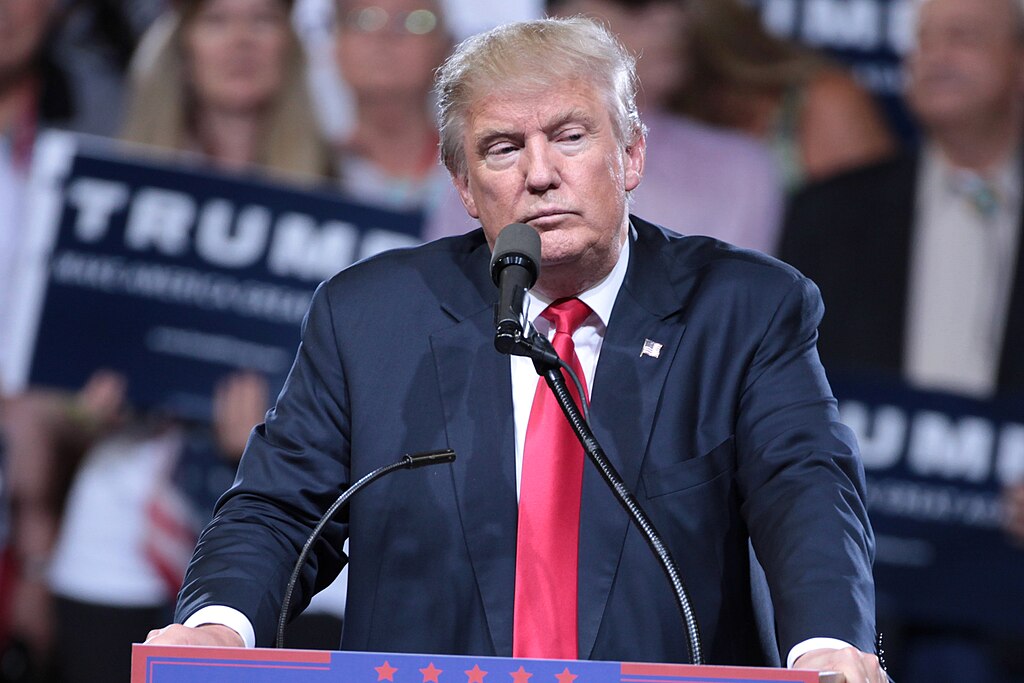
The Trump administration is moving to reopen vast sections of Alaska’s National Petroleum Reserve (NPR-A) for oil and gas development, the Interior Department announced Tuesday. The proposed plan would reverse Biden-era restrictions and allow leasing on 82% of the 23-million-acre reserve, including Teshekpuk Lake, a critical wildlife habitat previously protected since the Reagan administration.
The decision aligns with President Donald Trump’s “energy dominance” agenda, focused on increasing domestic fossil fuel production, reducing reliance on foreign oil, and creating American jobs. In contrast, the Biden administration had curbed development in large portions of the NPR-A to preserve the environment and safeguard Indigenous communities' ways of life.
Adam Suess, acting assistant secretary for land and minerals management, emphasized the administration’s goal: “This plan is about creating more jobs for Americans, reducing our dependence on foreign oil and tapping into the immense energy resources the National Petroleum Reserve was created to deliver.”
Established in the 1970s in response to national energy concerns, the NPR-A was designed to boost U.S. oil and gas output. Biden’s 2022 climate policy limited drilling to about half of the reserve. The new draft plan would significantly expand access for fossil fuel leasing and development, including in ecologically sensitive areas.
Environmental groups are expected to challenge the move, citing threats to wildlife, climate goals, and Indigenous heritage. Meanwhile, industry groups have welcomed the plan as a step toward revitalizing domestic energy supply chains.
The Interior Department's Bureau of Land Management is accepting public comments on the draft proposal for 14 days, marking the next stage in the administration’s effort to fast-track energy infrastructure in Alaska.
This shift could reshape U.S. energy policy and Arctic conservation for years to come.







