U.S. President Donald Trump reignited trade tensions with China on Friday, announcing a sweeping 100% tariff on Chinese exports to the United States and new export restrictions on “all critical software” by November 1. The move ends months of fragile economic peace between the world’s two largest economies and follows Beijing’s decision to tighten export controls on rare earth elements—minerals vital to global tech manufacturing.
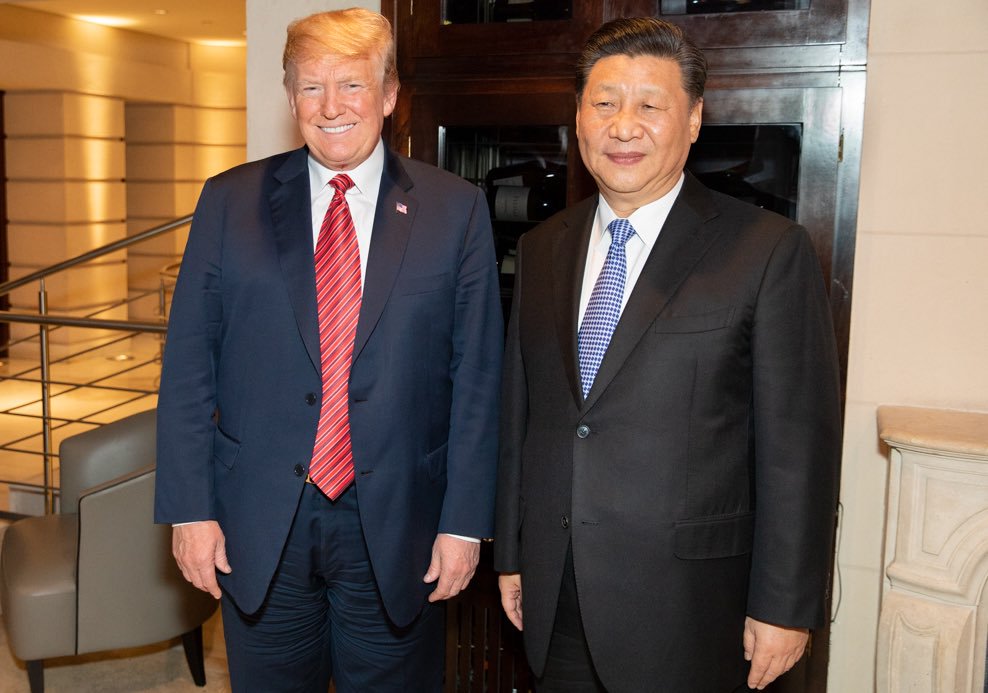
Trump described China’s new restrictions as a “hostile order” and vowed to “financially counter their move.” He hinted that a planned meeting with Chinese President Xi Jinping later this month in South Korea may now be in doubt, saying there was “no reason” to proceed, though he has not officially canceled it. Beijing has yet to confirm the meeting.
China dominates the global market for rare earths, producing over 90% of processed supply used in electronics, electric vehicles, and military technologies. Analysts say the U.S. export ban on software could severely impact China’s artificial intelligence and cloud computing sectors. The administration is also considering controls on aircraft and parts, potentially escalating the trade conflict even further.
The announcement rattled global markets, with the S&P 500 plunging over 2%—its sharpest decline since April. Investors sought safety in gold and U.S. Treasuries as the dollar weakened. Technology stocks took the heaviest hit amid fears of disrupted supply chains and higher costs.
Experts warn that the new measures could mark the “beginning of the end” of the tariff truce. Both nations now appear poised to increase economic pressure ahead of the Asia-Pacific Economic Cooperation (APEC) summit on October 31. Whether diplomacy can salvage the relationship remains uncertain, but the stakes for global trade and technology have never been higher.