


 Japan Foreign Reserves Plunge $79.6 Billion After Record Yen Intervention
  U.S. Issues Cuba Health Alert as Illnesses Rise
  UK House Prices Fall for First Time Since 2023
  Oil Prices Climb as Iran Threatens Gulf Energy Infrastructure
  China to Inject $45 Billion Into State Financial Institutions
  Trump Threatens Bombardier U.S. Sales Ban
  Iran Vows Tougher Response as U.S. Sanctions Squeeze Economy
  Kyiv Mothers Give Birth Amid Russian Drone Attacks
  China Boosts Gold Reserves by 650,000 Ounces as Prices Rally
  Asian Stocks Mixed as Korean Chipmakers Rally
  China Expands Influence in Global Gold Market
  Netanyahu Orders West Bank Settler Outposts Dismantled
  US Stock Futures Mixed as Fed Rate Hike Bets Rise
  Israeli Strikes Kill Four in Gaza, Including Two Children
  Ecuador Backs U.S. Sinking of Vessels in Pacific Anti-Drug Operation
  Australia Plans New Rules Giving Users Control Over Social Media Feeds


 Add as a preferred source on Google
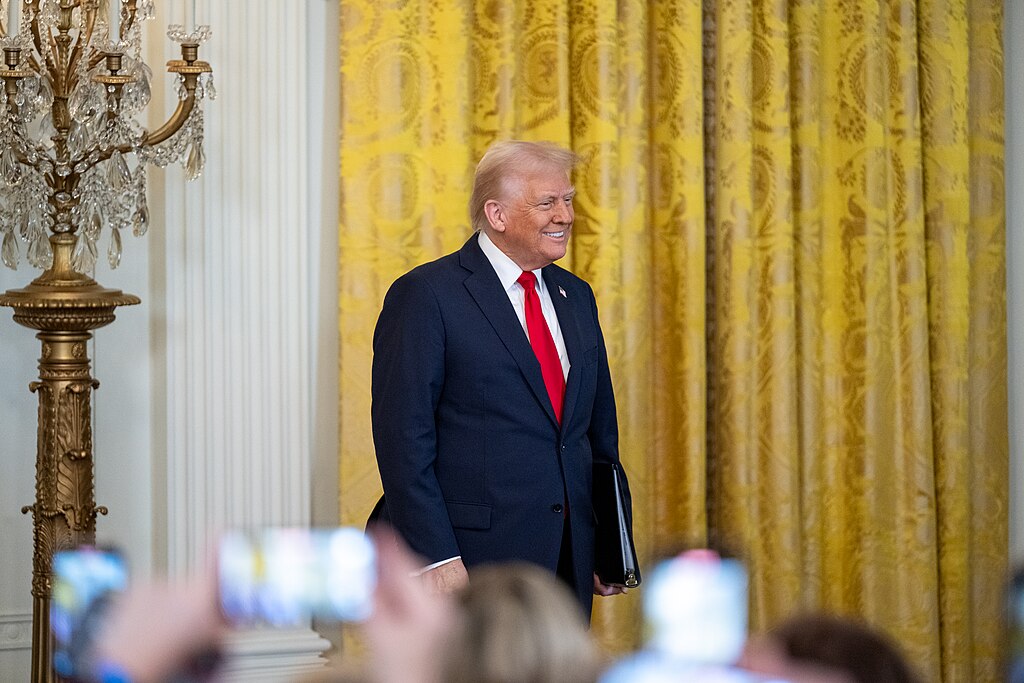
U.S. President Donald Trump has reversed a Biden-era regulation that imposed stricter air pollution limits on copper smelters, a move aimed at easing regulatory pressure on the nation’s dwindling copper industry. The previous rule, finalized in May 2024, required smelters to significantly reduce emissions of toxic pollutants such as lead, arsenic, mercury, benzene, and dioxins in compliance with updated federal air quality standards.
Trump’s new proclamation grants a two-year exemption from those requirements for domestic copper smelters. According to the White House, the decision seeks to strengthen U.S. mineral independence by preventing additional strain on an already limited industrial base. The administration argued that the Biden-era restrictions risked accelerating plant closures, undermining national production capacity, and increasing reliance on foreign-controlled copper refining.
The order specifically affects the nation’s two copper smelters—one operated by Freeport-McMoRan and another by Rio Tinto. While the exemption explicitly applies to Freeport’s facility, its impact on Rio Tinto’s operations remains uncertain. Both companies declined to comment on the development.
Earlier this year, Trump signed an executive order designating copper as a “critical material” essential to defense, infrastructure, and emerging technologies, including clean energy and electric vehicles. This led to a Section 232 investigation evaluating whether U.S. dependence on imported copper poses a national security risk.
Following the review, the administration imposed a 50% tariff on certain imported copper products and mandated that a growing percentage of high-quality scrap copper be sold within the United States. The latest rollback, supporters say, aligns with broader efforts to revive domestic mining and manufacturing, though critics warn it could weaken environmental protections and public health safeguards.







