


 US Immigration Arrests Surge as Deportations Lag Behind
  Australia Tightens Student Visa Rules, Targets Migration Cut by 2028
  UN Allows Mahmoud Abbas Video Address After US Visa Denial
  U.S. Issues Cuba Health Alert as Illnesses Rise
  US Delegation Visits Myanmar, Secures Release of American Adam Castillo
  Japan, U.S. Discuss $19 Billion GlobalFoundries Chip Plant
  North Korea Vows to Expand Nuclear Arsenal Amid U.S.-Led Military Buildup
  US Bans Canadian Alcohol, Motorcycles as Trade War Escalates
  Pentagon Restarts Testosterone Testing for US Troops
  Synthetic data could ease people’s concerns about privacy breaches. But who gets to create it?
  Trump Administration Removes Confederate Memorial Criticism From Arlington Website
  Nvidia-Groq AI Chip Deal Faces U.S. Antitrust Probe
  Trump Says US Army Base in Poland Talks Make Progress
  Appeals Court Rejects Trump Third-Country Deportation Policy
  SEC Seeks ISS Client Voting Records in Proxy Adviser Probe
  FBI, Coast Guard Board Ships After Cyberattacks
  France Urges Faster AI Push Despite Safety Risks


 Add as a preferred source on Google
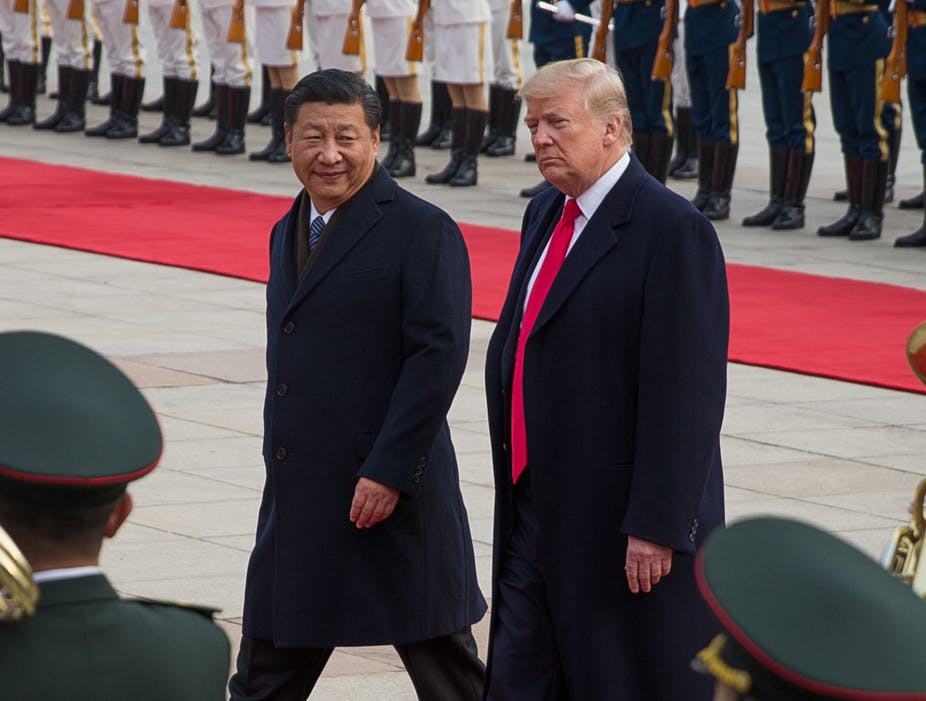
U.S. President Donald Trump announced on Friday that Chinese President Xi Jinping has agreed to allow the flow of rare earth minerals and magnets to the United States, signaling a potential de-escalation in ongoing trade tensions between the two economic superpowers.
When asked aboard Air Force One whether Xi agreed to resume rare earth exports, Trump responded, "Yes, he did." The Chinese embassy in Washington has not yet commented. The announcement follows a rare direct phone call between the two leaders, which Trump described as having a “very positive conclusion,” noting there should be “no more questions” regarding the complexity of rare earth trade.
In a further sign of progress, China has reportedly granted temporary export licenses to rare-earth suppliers working with the top three U.S. automakers, according to sources familiar with the matter. Senior U.S. and Chinese officials are expected to hold further trade talks in London on Monday.
Trump also mentioned that negotiations are “very far advanced” and referenced a May 12 agreement in Geneva where both sides committed to a 90-day rollback of most retaliatory tariffs. Markets rallied on that news, but China’s earlier decision in April to halt exports of critical minerals had continued to strain global supply chains, impacting automakers, chipmakers, and defense contractors.
Trump had previously accused China of violating the Geneva agreement, prompting new U.S. restrictions on chip design software exports. Beijing dismissed the claim and threatened countermeasures. Rare earths remain a strategic asset for China, with potential domestic political implications for Trump if U.S. industries face prolonged supply disruptions.
Trump’s fluctuating trade stance has created uncertainty, often leaving global markets and policymakers guessing.







