


 U.S. Imposes New Visa Restrictions Over South Africa Policies
  North Korea Vows to Expand Nuclear Arsenal Amid U.S.-Led Military Buildup
  South Korea’s Cho Hyun to Meet Rubio in Washington
  US Resumes Immigrant Visa Processing for Hungary, Poland
  Australia Tightens Student Visa Rules, Targets Migration Cut by 2028
  France Targets Shein, Temu With Fast-Fashion Fees
  Rodrigo Duterte Makes First Public Appearance at ICC in 18 Months
  Trump Threatens EU Tariffs Over Canada Membership Proposal
  New Zealand Labour Backs Social Media Ban for Under-16s
  Guterres Urges Stronger Global AI Safeguards Ahead of UN Assembly
  Ukraine Tests New Anti-Drone Weapon After Successful Shahed Intercept
  ICE Agent Arrested in Minneapolis Over Venezuelan Man Shooting
  FDA Weighs Safety Standards for Psychedelic Therapies
  Vietnam, U.S. Firms Plan 29 Deals Across Energy, Tech and Aviation
  Ukraine Races to Counter Russia’s Faster Jet-Powered Drones
  Paris Talks Focus on Lebanon Army Needs as UNIFIL Exit Looms
  Trump Eyes End to Iran War, Plans Gulf Leaders Meeting


 Add as a preferred source on Google
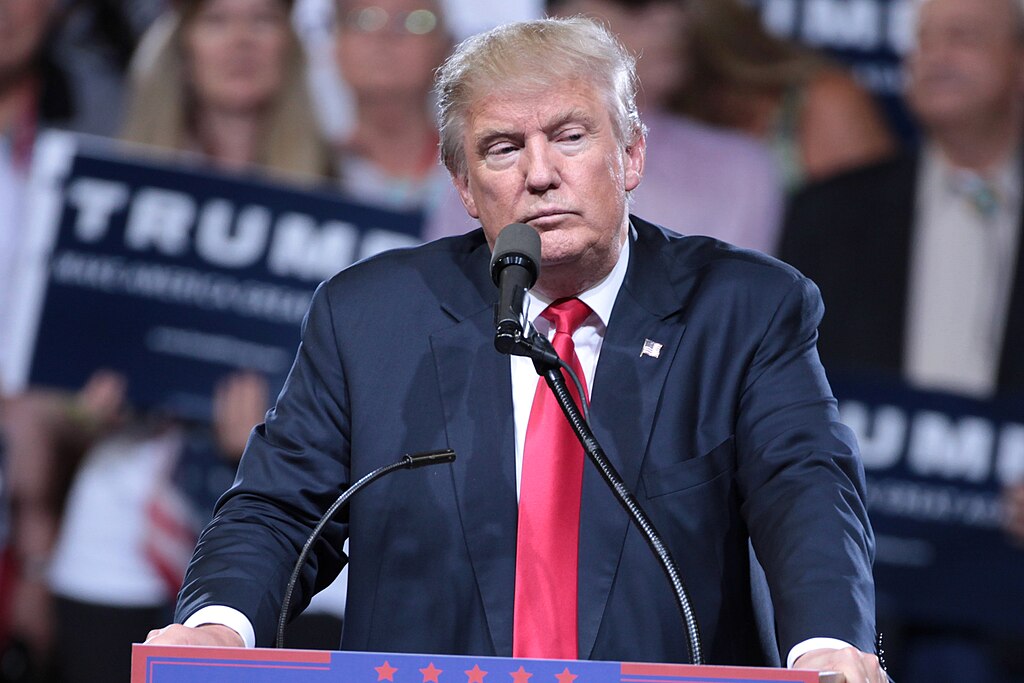
President Donald Trump signed a sweeping executive order Tuesday aimed at tightening mail-in voting regulations across the United States, setting off immediate legal threats from voting rights advocates and Democratic leaders who called the move unconstitutional.
The order directs federal agencies to compile verified lists of U.S. citizens eligible to vote in each state, working alongside state election officials to strengthen voter roll accuracy. Under the new directive, absentee ballots would only be sent to voters appearing on state-approved mail-in ballot lists. The order also mandates tamper-resistant ballot envelopes equipped with unique tracking barcodes to improve election security.
Trump dismissed concerns about the order's legal standing, arguing only a court could stop it while criticizing what he described as "rogue" judges. Voting rights organizations and election law experts pushed back strongly. NAACP President Derrick Johnson declared the order both unconstitutional and "unserious," predicting it would not survive legal scrutiny. Election integrity researcher David Becker called it "clearly unconstitutional," predicting immediate court intervention. California Governor Gavin Newsom announced the state would challenge the order in court, accusing Trump of attempting to restrict American participation in democracy.
The executive action builds on Trump's long-standing and widely disputed claims that widespread mail-in voter fraud cost him the 2020 presidential election — claims that have been repeatedly rejected by courts and election officials. The move also coincides with Senate debate over the SAVE America Act, which would require proof of citizenship to register and a photo ID to vote. The bill, already passed by the House, faces a difficult path in the Senate due to a lack of votes needed to overcome Democratic opposition.
Notably, Trump himself voted by mail in a recent Florida special election, citing presidential obligations as his reason for doing so.







