


 US Judge Dismisses Imran Ahmed Deportation Lawsuit
  US Officials Meet Houthis in Oman Amid Yemen Offensive
  FBI, Coast Guard Board Ships After Cyberattacks
  FCC Approves Foreign Investment in $110B Paramount-Warner Bros. Deal
  ICE Agent Arrested in Minneapolis Over Venezuelan Man Shooting
  US Delegation Visits Myanmar, Secures Release of American Adam Castillo
  US Resumes Immigrant Visa Processing for Hungary, Poland
  Synthetic data could ease people’s concerns about privacy breaches. But who gets to create it?
  Pentagon Restarts Testosterone Testing for US Troops
  Brazil Warns EU of Retaliation Over Animal Products Ban
  Australia Tightens Student Visa Rules, Targets Migration Cut by 2028
  Judge Blocks Trump Rule Limiting Foreign Student Visas
  Saudi Arabia Shuts East-West Oil Pipeline After Drone Attack
  Yemen Fighting Threatens Red Sea Oil Routes
  SEC Seeks ISS Client Voting Records in Proxy Adviser Probe
  Trump Eyes End to Iran War, Plans Gulf Leaders Meeting
  US-China Experts Push AI Nuclear Safeguards to Prevent Military Escalation


 Add as a preferred source on Google
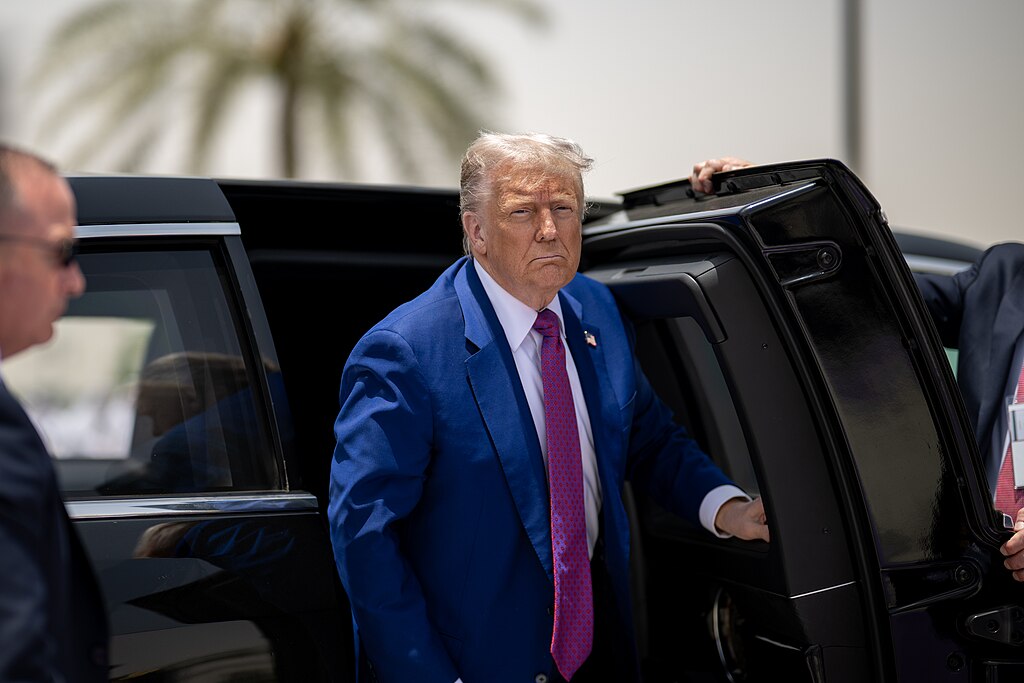
U.S. President Donald Trump announced Monday that he may declare a national emergency and federalize Washington, D.C. after Mayor Muriel Bowser confirmed the city’s police will not cooperate with Immigration and Customs Enforcement (ICE). The clash highlights tensions over immigration enforcement and federal authority, with critics calling Trump’s move an overreach.
The dispute centers on whether local authorities must provide information on individuals living in or entering the country illegally. Trump accused “Radical Left Democrats” of pressuring Bowser to defy ICE cooperation, further intensifying the standoff between the White House and D.C. leadership.
Earlier this month, thousands of protesters marched in the capital opposing Trump’s August deployment of National Guard troops. The president justified the deployment as necessary to restore “law, order, and public safety,” pointing to crime as a “blight” on the city. On Truth Social, Trump praised the results, claiming D.C. had become “absolutely booming” with “virtually no crime” for the first time in decades.
The National Guard’s role remains a key issue. While state governors typically control their respective Guard units, the D.C. National Guard is unique in reporting directly to the president. Trump’s comments suggest he could take full command to enforce immigration policies and override local resistance.
The potential federalization of Washington raises questions about the balance of power between local governance and federal authority. Opponents argue that forcing D.C. police to align with ICE undermines local autonomy, while supporters say it strengthens national security.
As the debate unfolds, the conflict between Trump and Bowser underscores broader national divisions over immigration policy, law enforcement, and federal control of the nation’s capital.







