U.S. President Donald Trump has escalated pressure on Cuba by declaring that no more Venezuelan oil or money will flow to the Communist-run island, urging Havana to strike a deal with Washington “before it is too late.” The comments mark a new phase in U.S.-Cuba relations and come amid sweeping changes in the Western Hemisphere’s political and energy landscape.
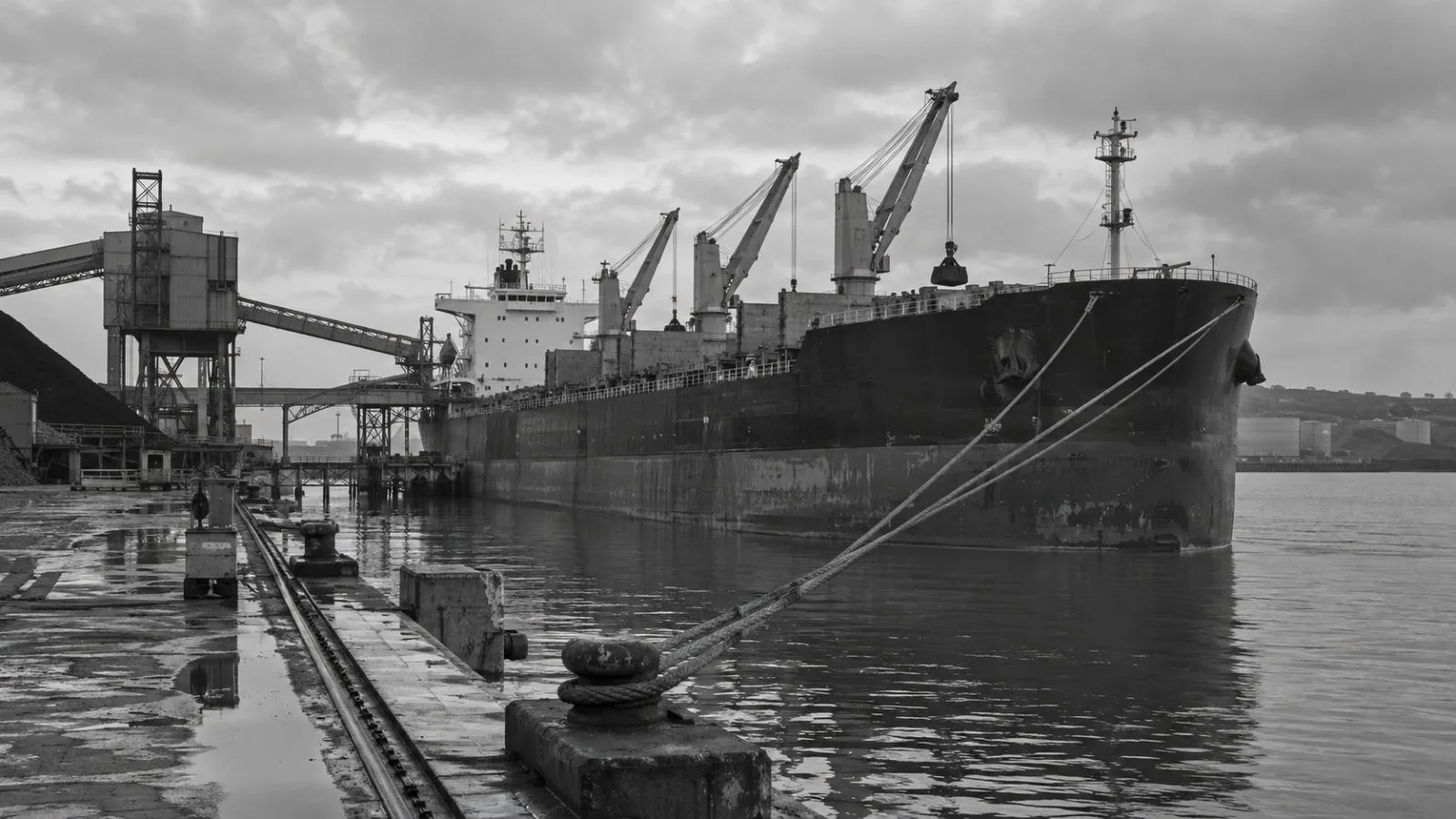
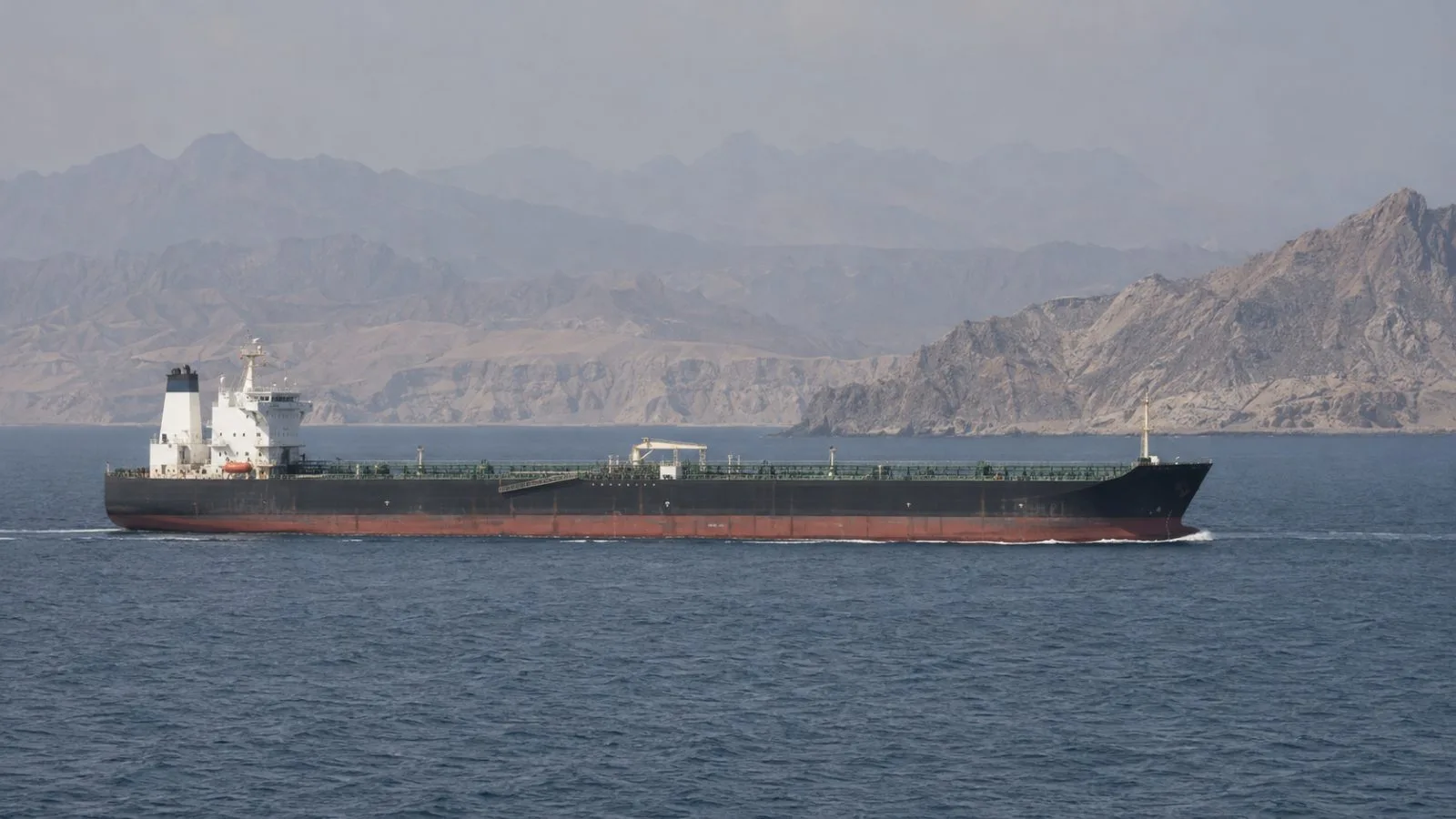
Venezuela, Cuba’s largest oil supplier, has halted shipments since the capture of Venezuelan President Nicolas Maduro by U.S. forces in early January. The move followed a strict U.S. oil blockade on the OPEC nation, according to shipping data. At the same time, Washington and Caracas are negotiating a $2 billion agreement to supply up to 50 million barrels of Venezuelan oil to the United States, signaling a dramatic shift in relations under interim Venezuelan President Delcy Rodriguez.
Trump, posting on Truth Social, said Cuba had relied for years on Venezuelan oil and financial support and warned that such assistance would now end completely. Cuban President Miguel Diaz-Canel swiftly rejected the threat, insisting that Cuba is a sovereign nation and accusing the United States of decades-long aggression. Cuban Foreign Minister Bruno Rodriguez echoed that stance, emphasizing Cuba’s right to import fuel from any willing supplier and denying claims of financial compensation linked to security services abroad.
Cuba’s dependence on imported fuel has left the island vulnerable. Power shortages, rolling blackouts, and dwindling refining capacity have worsened daily life, while shortages of food, fuel, and medicine have fueled a record exodus of Cubans, many heading to the United States. Although Venezuela still supplied about 26,500 barrels per day last year—roughly half of Cuba’s oil deficit—that lifeline is now in jeopardy.
Mexico has recently emerged as a limited alternative supplier, but volumes remain small. U.S. intelligence assessments reportedly suggest Cuba’s economy is under severe strain, yet stop short of predicting an imminent collapse. For many Cubans, however, conditions already feel dire. As one Havana resident put it, with electricity and fuel scarce, change feels increasingly urgent.