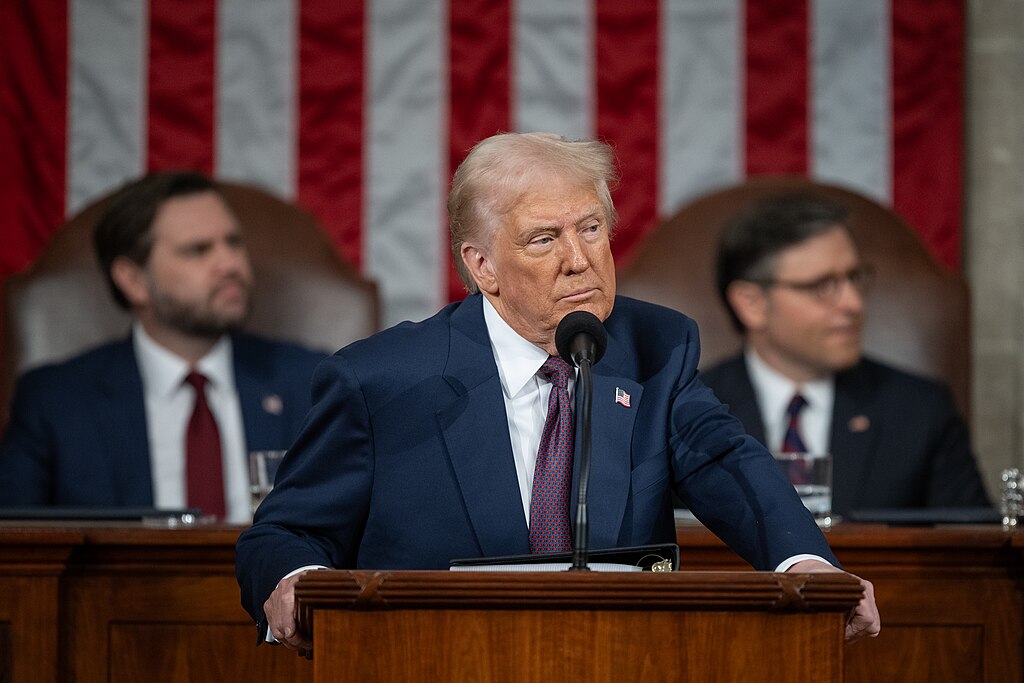
U.S. President Donald Trump will convene a National Security Council meeting at 11 a.m. (1500 GMT) on Friday, following Israeli airstrikes on Iran that heightened fears of wider conflict in the Middle East. The White House confirmed the meeting late Thursday, shortly after Israel announced it had targeted Iranian nuclear facilities, ballistic missile sites, and key military figures in a bid to halt Tehran’s nuclear ambitions.
The Israeli government framed the strikes as the beginning of a prolonged operation aimed at preventing Iran from developing atomic weapons. While maintaining communication with Washington, Israeli officials emphasized that the attack was a unilateral decision. Ambassador to the U.N. Danny Danon stated, “This decision was a decision of the Israeli leadership,” declining to speculate on potential U.S. military support if Iran retaliates.
U.S. Secretary of State Marco Rubio distanced the U.S. from the operation, saying, “We are not involved in strikes against Iran. Our top priority is protecting American forces in the region.” The U.S. embassy in Jerusalem has instructed all government personnel and their families to shelter in place, citing a volatile and unpredictable security environment.
A scheduled sixth round of U.S.-Iran nuclear talks in Oman is now in doubt due to the sudden escalation. Trump, earlier on Thursday, acknowledged an Israeli strike "could very well happen" but reiterated hopes for a peaceful resolution. Meanwhile, U.S. defense officials confirmed contingency planning is underway, including possible evacuations of American citizens from the region.
The State Department warned that travel restrictions for U.S. personnel in Israel and the West Bank could tighten further without notice, depending on the evolving security situation. Tensions remain high as global powers monitor the aftermath of the Israeli offensive.