


 Iran Threatens US With ‘Economic Warfare’ as Gulf Tensions Rise
  Iraq Seeks 6 Million Bpd OPEC+ Oil Quota
  Hungary Industrial Output Beats Forecasts With 4.7% July Growth
  Trump Hails AfD Election Win, Blames Germany Immigration Rules
  Japanese Yen Nears Seven-Month High as Oil Approaches $100
  Texas Republicans Turn Against AI Data Centers as Election Backlash Grows
  Brazil Warns EU of Retaliation Over Animal Products Ban
  Trump Rallies Republicans at Dallas Midterm Convention
  Japan, U.S. Stay Aligned on Yen as Currency Surges
  Bolivia Military Barracks Explosion Kills Nine
  UK Food Inflation Forecast to Hit 6.4% by Mid-2027
  Trump Administration Moves to Strip ABA of Law School Accreditor Status
  Australia Plans New Rules Giving Users Control Over Social Media Feeds
  Iran Strikes U.S.-Used Jordan Base as Gulf War Escalates
  Russia Seeks to Claw Back Soldier Bonuses After Crimes
  Iran Threatens Gulf Energy Assets as U.S. Tensions Escalate


 Add as a preferred source on Google
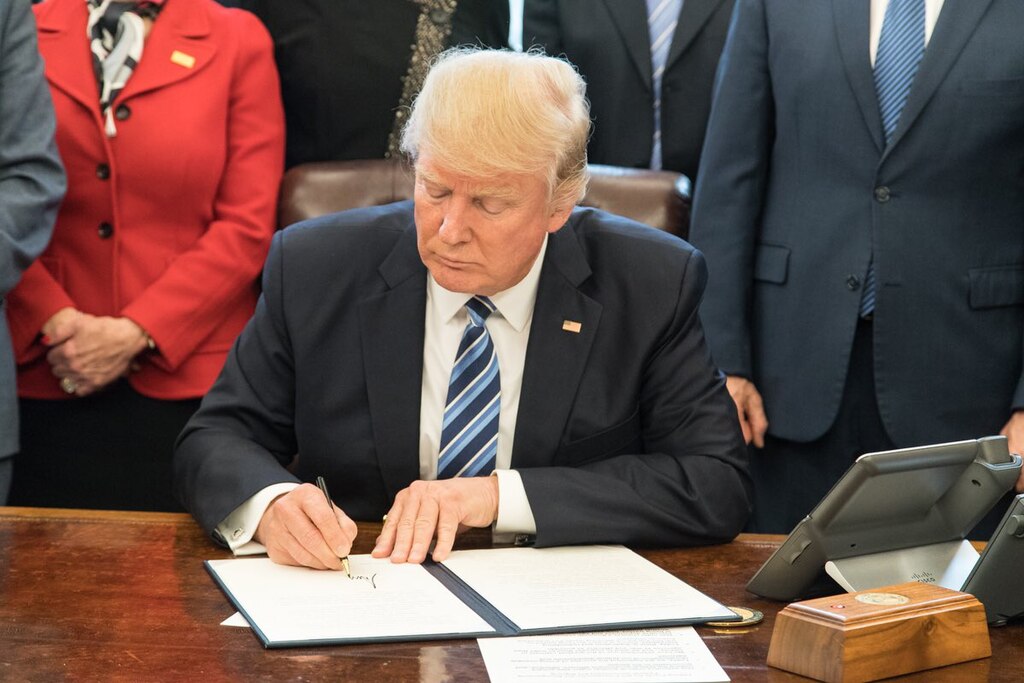
U.S. President Donald Trump announced Thursday that the U.S. will begin notifying major global economies of new tariffs, abandoning plans for bilateral trade negotiations. Starting Friday, Washington will send letters to 10 countries at a time, outlining new flat-rate tariffs ranging from 20% to 30% on exports to the U.S.
Trump acknowledged the difficulty of negotiating with over 170 countries and said the administration would bypass lengthy trade talks. The move marks a shift from his previous pledge to secure “90 trade deals in 90 days,” of which only two — with the U.K. and Vietnam — have been finalized, along with a partial framework agreement with China.
In April, Trump introduced sweeping tariff plans targeting key trading partners but delayed enforcement by 90 days, giving countries until July 9 to reach agreements. That grace period is now expiring, and Trump has signaled there will be no further extensions.
Countries like Japan, South Korea, and India made efforts to negotiate deals but failed to reach any agreements within the deadline. Now, they risk facing tariffs as high as 50%, significantly increasing trade tensions.
The flat-rate tariffs reflect Trump’s increasingly aggressive stance on trade, aimed at addressing what he sees as long-standing imbalances and unfair practices. The administration’s move is likely to impact global trade flows, raise import costs, and provoke retaliation from key allies.
As the July 9 deadline nears, global markets and trading partners are bracing for disruption, with major economies now preparing for a more protectionist U.S. trade policy. The White House’s unilateral approach underscores Trump’s commitment to reshaping U.S. trade relations, even at the risk of sparking trade wars.







