


 Nvidia-Groq AI Chip Deal Faces U.S. Antitrust Probe
  North Korea Vows to Expand Nuclear Arsenal Amid U.S.-Led Military Buildup
  Trump Eyes End to Iran War, Plans Gulf Leaders Meeting
  Google Changes EU Spam Policy Amid Antitrust Scrutiny
  US Confirms Weapons in Orbit as Space Tensions Rise
  Trump Administration Removes Confederate Memorial Criticism From Arlington Website
  Iran Economic Crisis Forces Afghan Families to Return Home
  Saudi Arabia Shuts East-West Oil Pipeline After Drone Attack
  FCC Approves Foreign Investment in $110B Paramount-Warner Bros. Deal
  US Delegation Visits Myanmar, Secures Release of American Adam Castillo
  U.S. Imposes New Visa Restrictions Over South Africa Policies
  Pentagon Restarts Testosterone Testing for US Troops
  Japan, U.S. Discuss $19 Billion GlobalFoundries Chip Plant
  Texas Republicans Turn Against AI Data Centers as Election Backlash Grows
  FDA Weighs Safety Standards for Psychedelic Therapies
  US Immigration Arrests Surge as Deportations Lag Behind
  Australia Tightens Student Visa Rules, Targets Migration Cut by 2028


 Add as a preferred source on Google
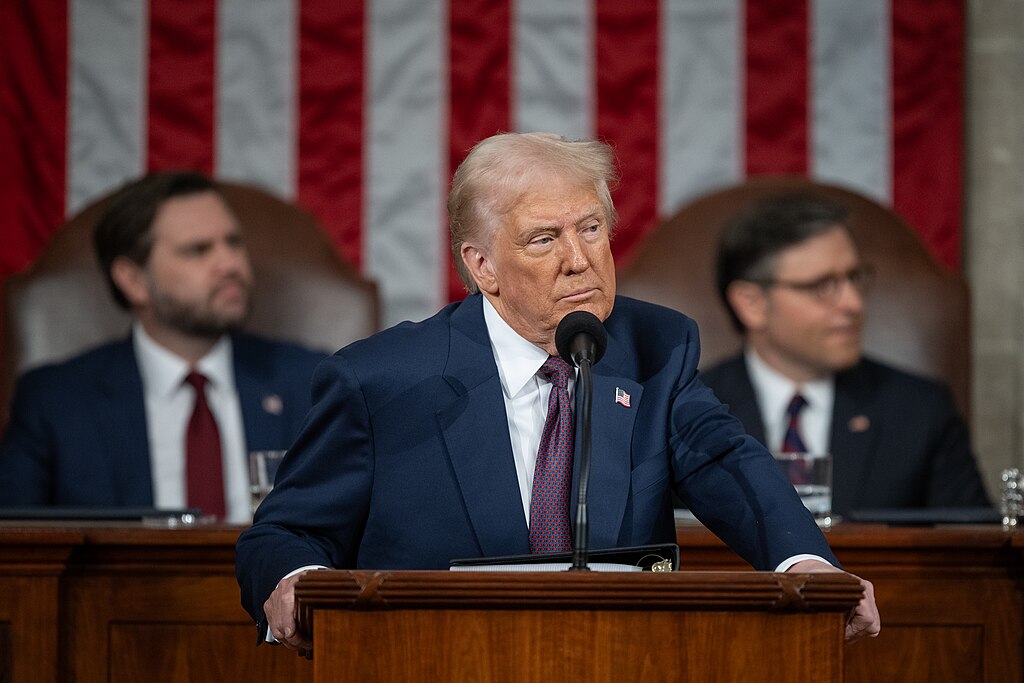
President Donald Trump announced he will sign an executive order this week aimed at dismantling what he calls “domestic terrorism networks.” The move follows the recent assassination of conservative activist Charlie Kirk, which Trump has repeatedly linked—without evidence—to left-wing groups he claims are inciting violence against conservatives.
In a post on Truth Social, Trump wrote, “The continuing violence from Radical Left Terrorists, in the aftermath of Charlie Kirk’s assassination, must be stopped.” He pledged swift action through an executive order that will expand federal authority to pursue groups he believes are behind recent unrest.
The announcement came the same day a gunman opened fire at an Immigration and Customs Enforcement (ICE) field office in Dallas, killing one detainee and injuring two others. ICE has been at the center of Trump’s immigration crackdown, which has faced sharp criticism from Democrats and human rights advocates.
Trump has previously suggested using the Racketeer Influenced and Corrupt Organizations (RICO) Act to bring charges against alleged extremist groups. The RICO Act, designed to fight organized crime, could provide prosecutors with broader tools to pursue political movements that the administration deems dangerous. He has said he consulted with Attorney General Pam Bondi about this approach.
On Monday, Trump signed a separate executive order designating the anti-fascist movement, known as antifa, as a “domestic terrorist organization.” According to the Anti-Defamation League, however, antifa is not a centralized group but rather a loose network of activists. Critics argue that labeling it a terrorist group is both legally questionable and politically motivated.
Democrats and civil liberties advocates have warned that Trump is using Kirk’s death as a pretext to silence political opposition and expand crackdowns on dissent. Experts on domestic extremism caution that violence in the U.S. is not confined to the political left, noting that right-wing ideology has historically inspired more attacks.
This latest executive order underscores Trump’s broader narrative framing political violence as a left-wing problem while minimizing threats posed by right-wing groups.







