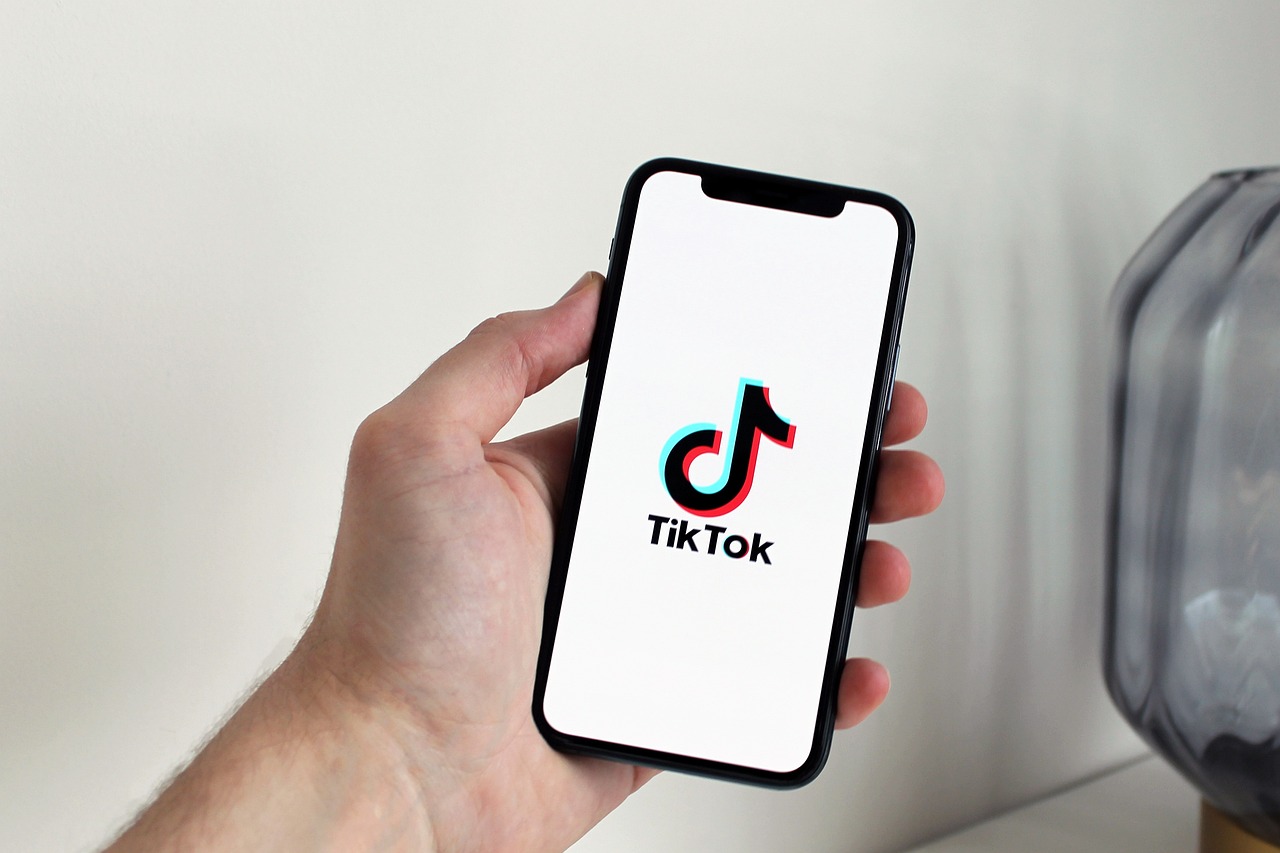
U.S. President Donald Trump’s executive order to pause the TikTok ban has triggered new legal challenges for the app and its service providers, including Apple and Google. The order delays enforcement of the divestment law, requiring TikTok’s parent company, ByteDance, to sell its U.S. operations by January 19. Despite the 75-day delay, legal experts warn of ongoing risks for app distributors.
The divestment law, enacted by Congress over bipartisan national security concerns, imposes severe penalties of $5,000 per user for service providers violating the ban. Trump’s order also directed the Justice Department to assure companies of no liability during the delay. However, legal experts, including University of Minnesota’s Alan Rozenshtein, caution that the delay offers limited protection, as executive orders cannot override laws passed by Congress. Courts may not view such promises as binding, leaving companies exposed to potential lawsuits.
Cybersecurity expert Timothy Edgar highlights the financial risks for service providers, noting shareholders could sue companies relying on Trump’s order if penalties are imposed. With billions in potential exposure, tech giants face tough decisions on whether to reinstate TikTok access.
The ban’s enforcement has drawn significant attention, as it highlights tensions between the White House, Congress, and tech companies. The Supreme Court unanimously upheld the law earlier this month, emphasizing Congress’s national security concerns. While Trump’s executive order provides temporary relief, legal uncertainties remain, leaving the future of TikTok in the U.S. unclear.
Google and Apple have yet to comment on their plans, as the short-video platform remains unavailable for download. Experts argue this high-stakes legal gamble could reshape the tech industry’s approach to compliance and U.S.-China relations.