


 US Condemns China Sanctions on Taiwan Allies Belize and Paraguay
  Zelenskiy Offers Russia Energy Truce Amid Trump Pressure
  Houthis Warn Saudi Airports After Deadly Riyadh Attack
  Panama Declares Emergency After 7.7 Earthquake Triggers 200 Aftershocks
  North Korea Fires Ballistic Missiles as Tensions With South Korea Escalate
  Trump Plans White House Shake-Up of Key AI Safety Agency
  UK Finance Minister Healey Calls for Fiscal Discipline Amid Global Risks
  Mahmoud Abbas Postpones Palestinian Elections to September 2027
  Trump Announces Russia-Ukraine Energy Ceasefire as Zelenskiy Awaits Details
  US Judge Blocks Trump Administration’s Taxpayer-Funded Political Ads
  Most Americans Oppose Election Betting on Prediction Markets, Poll Finds
  European Auto Stocks Rise as EU-China Trade Deal Targets Hybrid Imports
  Greenland Lawmakers Back Trump Security Deal Despite Economic Concerns
  Jordan Bardella Antisemitism Allegations Threaten Le Pen’s Campaign
  Trump Calls for Zelenskyy Replacement Amid Russian Diesel Deal
  India Voter List Protests Reach Supreme Court as Opposition Demands Election Chief's Resignation


 Add as a preferred source on Google
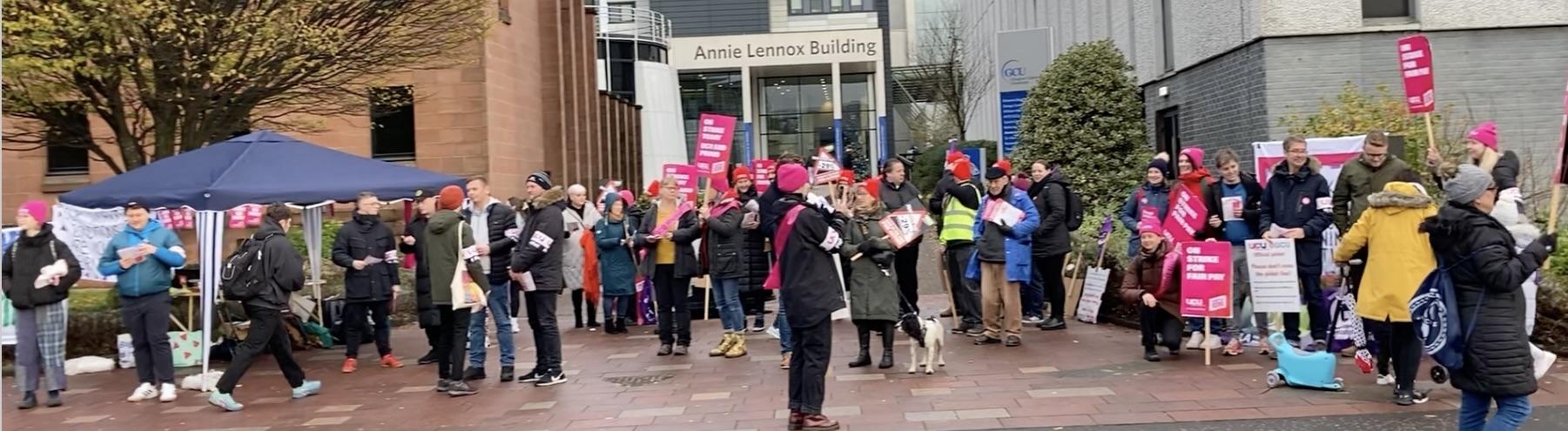
The British government under Prime Minister Rishi Sunak announced new proposals in an effort to clamp down on the ongoing protests by key service workers in the country. The new proposals would expand the range of scenarios in which law enforcement in England and Wales can act to prevent further disruption.
The government previously passed such legislation in 2022 but intends to go further with a new set of legislation, also known as the Public Order Bill. The bill that was published last year is already in its final stages of debate in parliament but was met with criticism from civil rights groups, who say the legislation is anti-democratic and gives too much power to the police.
The government plans to amend the bill before it becomes law in order to expand the legal definition of “serious disruption,” give the police more flexibility and provide legal clarity on when the new powers could be invoked. The government said that the new laws, if passed by parliament, would mean that the police could pre-emptively shut down disruptive demonstrations.
“The right to protest is a fundamental principle of our democracy, but this is not absolute,” said Prime Minister Rishi Sunak in a statement on Sunday. “We cannot have protests conducted by a small minority disrupting the lives of the ordinary public. It’s not acceptable and we’re going to bring it to an end.”
“The police already have adequate powers to arrest people and move them on,” Shami Chakrabarti of the opposition Labour Party in the upper house of parliament told BBC Radio. “This, I fear, is about treating all peaceful dissent as effectively terrorism.”
The legislation already includes a criminal offense for those who attempt to lock themselves to objects or buildings and allows the courts to restrict the freedoms of some demonstrators to prevent causing serious disruption.
British finance minister Jeremy Hunt on Tuesday stressed the importance of bringing down inflation and not doing anything to further exacerbate the crisis, following the data that showed the pace of pay growth in the UK has risen in the three months back in November.
Hunt said the way to help wages go further was to stick to the plan to halve inflation in 2023.







