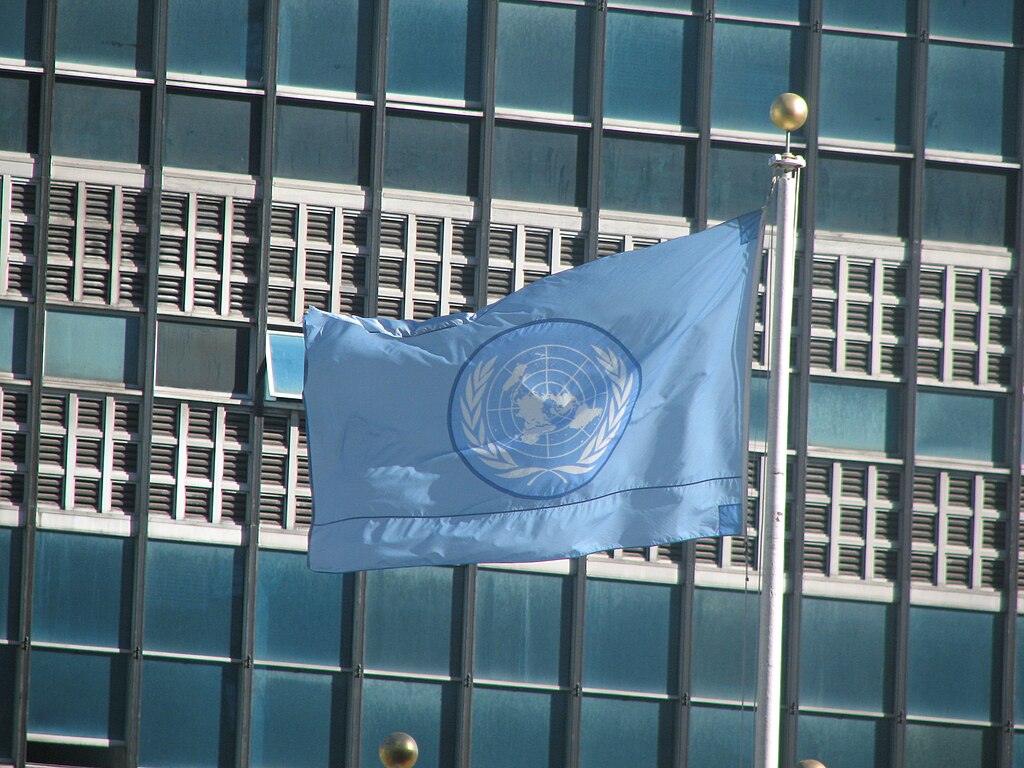
The U.N. Human Rights Council has approved a resolution establishing an independent fact-finding mission to investigate reported mass killings and widespread abuses in al-Fashir, Sudan. The decision was made during a special session in Geneva and passed without a vote, signaling firm international backing for urgent action in the conflict-torn Darfur region.
The mission will focus on identifying those responsible for alleged atrocities committed by the Rapid Support Forces (RSF) and allied groups after they seized control of al-Fashir in late October. According to the U.K.’s representative in Geneva, the inquiry will help document and secure vital evidence needed for future accountability efforts.
U.N. human rights chief Volker Türk urged countries to move beyond symbolic gestures and confront the escalating violence. He condemned the “naked cruelty” being inflicted on civilians and called for pressure on individuals and companies that are enabling or profiting from the ongoing war. Türk also highlighted rising attacks in Kordofan, where bombardments and blockades continue to displace thousands.
Witness reports presented by Mona Rishmawi of the U.N. Fact-Finding Mission described extreme brutality, including rape, torture, and killings. She noted that RSF fighters had allegedly turned Al Fasher University into a “killing ground,” with bodies accumulating in streets and trenches across the city.
While the resolution strongly denounces ethnically motivated violence and sexual assault, it stops short of probing the involvement of external actors. Sudan’s ambassador criticized this omission and accused the international community of ignoring the flow of weapons to the RSF, specifically pointing to the United Arab Emirates—a charge the UAE forcefully denies.
Supporters of the resolution, including the U.K., EU, Norway, and Ghana, warned that the deepening conflict threatens regional stability. The measure also calls on both the RSF and the Sudanese Armed Forces to allow humanitarian aid into areas still facing famine-like conditions. Women fleeing al-Fashir continue to report systematic rape, shootings, and drone strikes targeting civilians, underscoring the urgent need for international intervention.