The United Nations Security Council is preparing to vote Saturday on a Bahraini-led resolution aimed at protecting commercial shipping through the Strait of Hormuz, a critical global oil transit route that has been effectively shut down following U.S. and Israeli strikes on Iran in late February. The conflict, now over a month old, has sent oil prices sharply higher and raised alarm among trading nations worldwide.
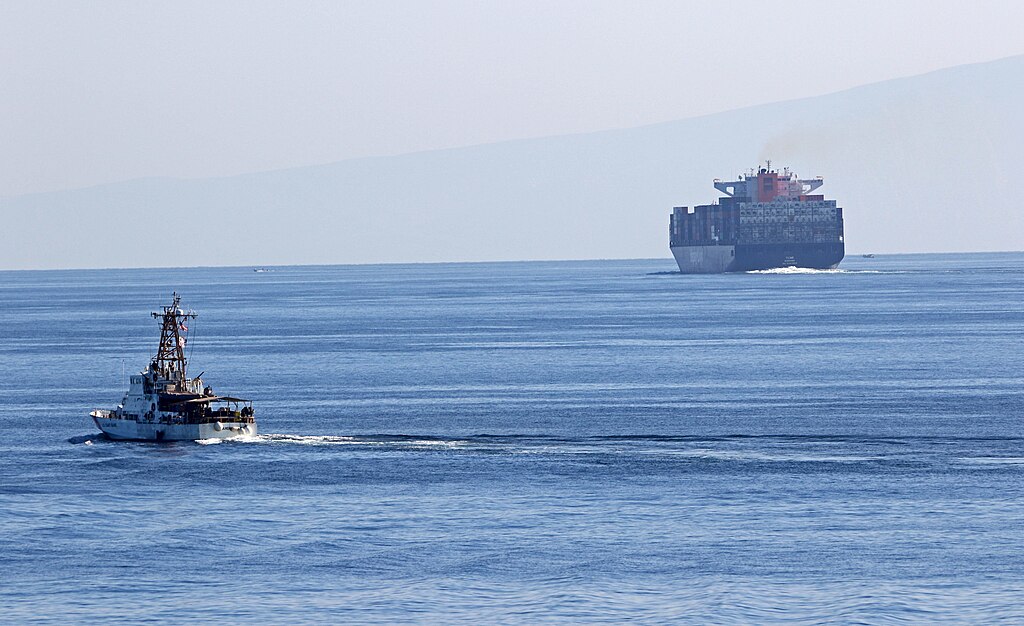
Bahrain, currently chairing the 15-member Security Council, finalized a draft resolution that would authorize "all defensive means necessary" to safeguard commercial vessels navigating the strategically vital waterway. The resolution, supported by Gulf Arab states and the United States, would remain in effect for a minimum of six months unless the council decides otherwise. To pass, it requires at least nine votes in favor with no vetoes from any of the five permanent members — the U.S., UK, France, Russia, and China.
China, however, signaled firm opposition. Chinese UN envoy Fu Cong warned that authorizing force risked "legitimizing unlawful and indiscriminate" military action, potentially escalating the crisis further. France and Russia also broke a required silence procedure on an earlier draft, complicating negotiations before a final text was eventually cleared for a vote.
Bahrain's Foreign Minister Abdullatif bin Rashid Al Zayani condemned Iran's attempts to dominate international navigation in the Hormuz Strait, calling it a threat to global economic stability that demands a decisive multilateral response. The Arab League echoed this position, pledging its full backing for the resolution.
Meanwhile, U.S. President Donald Trump reaffirmed Washington's commitment to continued military action but offered no concrete strategy for reopening the strait, further unsettling energy markets and global shipping stakeholders who depend heavily on the passage for oil and goods movement.