The United States has approved a major defense sale to India involving the Javelin anti-tank missile system and Excalibur guided artillery munitions valued at $93 million, according to the U.S. Defense Security Cooperation Agency (DSCA). This marks India’s first purchase through Washington’s foreign military sales program since bilateral relations experienced tension in August, when President Donald Trump doubled tariffs on Indian goods to 50% following New Delhi’s continued imports of Russian oil.
The newly approved deal comes shortly after India placed another order for General Electric fighter jet engines to support the expansion of its indigenous Tejas combat aircraft fleet. The DSCA emphasized that the proposed sale aligns with U.S. foreign policy and national security goals, reinforcing the strategic partnership between Washington and New Delhi. Strengthening India’s defense capabilities, the agency noted, contributes to political stability and economic progress across the Indo-Pacific and South Asia, regions where both nations share long-term security interests.
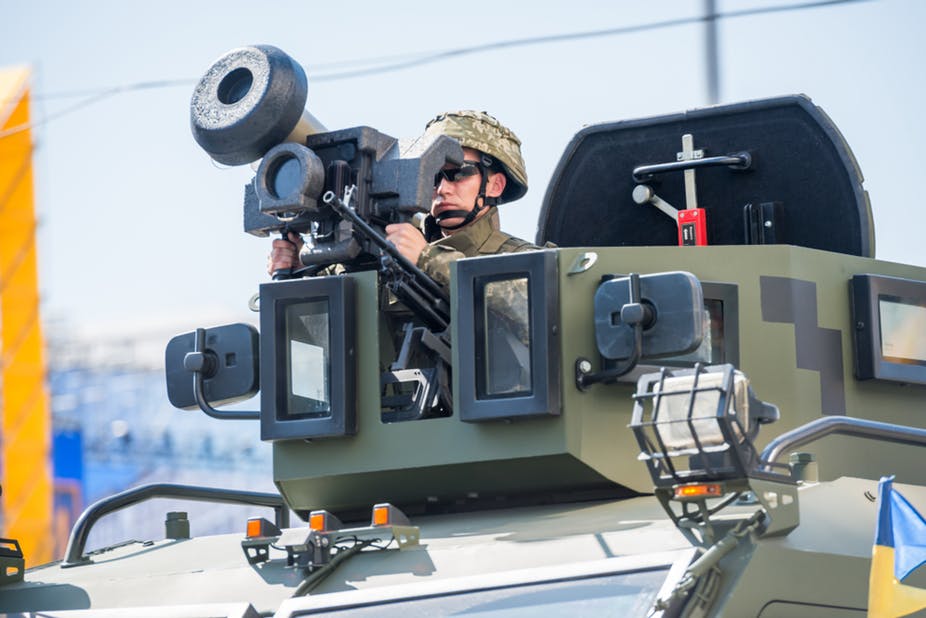
India’s request includes up to 216 Excalibur tactical artillery projectiles and 100 units of the Javelin anti-tank missile system. The Indian Army already deploys Excalibur precision-guided munitions with its M-777 howitzers, enhancing accuracy and effectiveness in diverse combat environments. The acquisition of additional systems is expected to boost India’s operational readiness and support ongoing modernization efforts across its armed forces.
RTX Corp will serve as the principal contractor for the Excalibur projectiles, while the Javelin systems will be supplied through a joint venture between RTX and Lockheed Martin. Both defense manufacturers play significant roles in U.S. military exports and long-standing cooperative programs with allied nations.
This approved sale underscores the strengthening defense ties between the United States and India, reflecting a growing emphasis on collaborative security, advanced technology transfers, and shared strategic priorities amid shifting geopolitical dynamics in the Indo-Pacific.