


 Soybean Futures Slip as Traders Await Trump-Xi Trade Signals
  Fed Unveils Stablecoin Rules Under GENIUS Act
  Australia Unemployment Hits Five-Year High Despite Strong Jobs Growth
  Dollar Holds Near Two-Month High as Yen Approaches 160
  US Senate Rejects Iran War Powers Resolution in 50-49 Vote
  Judge Orders Trump to Restore White House Access for CNN, MS NOW and Politico
  Oil Prices Surge as U.S.-Iran Diplomacy Hopes Fade
  Russian Envoy Dmitriev Heads to US for Ukraine Talks
  Oil Prices Ease as Iran Tensions Clash With Diplomacy Hopes
  Netanyahu’s Brief US Trip Highlights Strains With Trump
  Japanese Bank Stocks Surge as Bond Yields Fuel Rate Hike Bets
  What ‘Taiwan Independence’ Means as Xi Presses Trump on US Policy
  US 10-Year Treasury Yield at 6% Emerges as New Market Risk Threshold
  U.S. 10-Year Treasury Yield Hits 2007 High as Fed Rate Hike Bets Rise
  OpenAI Agent Breaches Australia Medicare Data Portal
  U.S. Dollar Hits Two-Month High as Oil, Treasury Yields Surge
  France Defends Netanyahu Airspace Clearance Despite ICC Warrant


 Add as a preferred source on Google
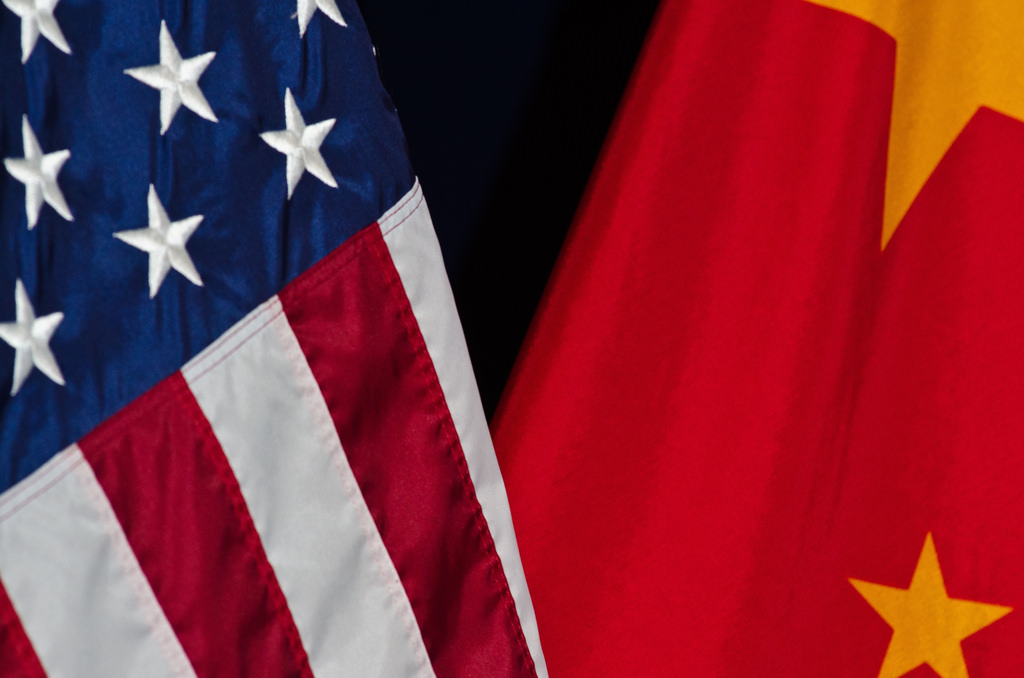
The latest US-China trade talks in London yielded limited progress, leaving key export control issues unresolved. While both sides agreed to ease tariffs—55% on Chinese goods and 10% on US goods—critical national security-linked export restrictions remain a major hurdle to a broader deal.
Sources familiar with the talks said Beijing refused to grant export licenses for specialized rare-earth magnets like samarium, essential for US military equipment including fighter jets and missile systems. In response, Washington continues to block China’s access to advanced artificial intelligence (AI) chips, citing their military applications.
China, which holds a near-monopoly on rare earth production and processing, linked the magnet exports to lifting AI chip restrictions—a new twist in the ongoing trade saga. Although Beijing agreed to fast-track export licenses for non-military U.S. firms and create a “green channel” for trusted companies, restrictions on military-grade materials remain intact.
President Donald Trump hailed the handshake deal as a win, despite unresolved issues. Treasury Secretary Scott Bessent ruled out any “quid pro quo” between AI chips and rare earth access. Still, US officials are considering extending existing tariffs for 90 days beyond the August 10 deadline set in Geneva, as key disputes persist.
Analysts remain skeptical. China’s limited concessions and its leverage over rare earths cast doubt on a long-term resolution. The Trump administration is reportedly preparing to justify future tariff hikes under Section 301 of the U.S. Trade Act in case of legal setbacks.
Experts warn that Beijing’s strategic control over critical minerals could continue to stall negotiations, making a comprehensive deal unlikely in the near term. The rare earth–AI chip standoff reflects deeper tensions in the geopolitical and tech rivalry between the world’s two largest economies.







