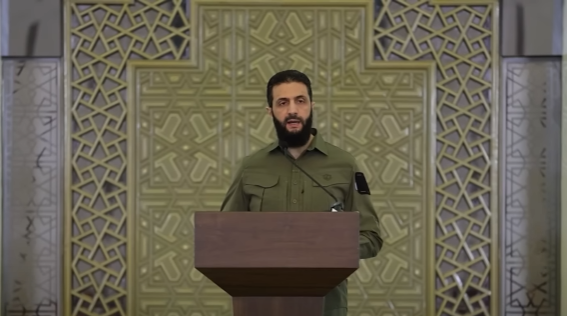
U.S. President Donald Trump’s special envoy to Syria, Thomas Barrack, met with Syrian President Ahmed al-Sharaa in Istanbul on Saturday, marking a key diplomatic development following the U.S. decision to lift sanctions on Syria. Barrack, who also serves as the U.S. ambassador to Turkey, commended Sharaa for taking "meaningful steps" regarding foreign fighters and efforts to improve relations with Israel.
The meeting focused on the implementation of the recently announced sanctions waiver, a move the Syrian government welcomed as a “positive step” toward recovery after a devastating 14-year civil war. According to Syrian state news agency SANA, President Sharaa emphasized that sanctions still place a significant burden on the Syrian people and obstruct the nation’s economic revival.
Barrack and Sharaa also discussed expanding foreign investment, particularly in Syria’s energy and infrastructure sectors. The Syrian government expressed its readiness to facilitate investment and support reconstruction initiatives as the country seeks to rebuild and re-enter the global economic landscape.
The U.S. administration’s lifting of sanctions signals a potential shift in its Middle East strategy, aiming to encourage regional stability and economic development. Observers note that improved ties between Syria and Israel, along with a crackdown on foreign militant activity, could reshape Syria’s geopolitical role.
With the sanctions waiver and renewed diplomatic engagement, Syria hopes to attract international investors and partners, contributing to long-term stability and recovery. Barrack’s visit underscores the Trump administration’s interest in re-engaging diplomatically with formerly isolated regimes when key conditions are met.
The move could open the door for deeper cooperation on security, counterterrorism, and regional partnerships, positioning Syria for a cautious reintegration into international affairs.