


 Trump Eyes End to Iran War, Plans Gulf Leaders Meeting
  Australia Tightens Student Visa Rules, Targets Migration Cut by 2028
  Guterres Urges Stronger Global AI Safeguards Ahead of UN Assembly
  US-China Experts Push AI Nuclear Safeguards to Prevent Military Escalation
  Who should own the knowledge that underpins AI technology?
  Trump Hopes Iran War Nears End as Yemen Fighting Escalates
  South Korea’s Cho Hyun to Meet Rubio in Washington
  US Officials Meet Houthis in Oman Amid Yemen Offensive
  Iran Economic Crisis Forces Afghan Families to Return Home
  Australia Defends Social Media Algorithm Law Amid US Concerns
  Yemen Fighting Threatens Red Sea Oil Routes
  Trump Grants Clemency to Jay-Z Associate Emory Jones
  North Korea Vows to Expand Nuclear Arsenal Amid U.S.-Led Military Buildup
  FDA Weighs Safety Standards for Psychedelic Therapies
  Trump Administration Removes Confederate Memorial Criticism From Arlington Website
  US Delegation Visits Myanmar, Secures Release of American Adam Castillo
  Pentagon Restarts Testosterone Testing for US Troops


 Add as a preferred source on Google
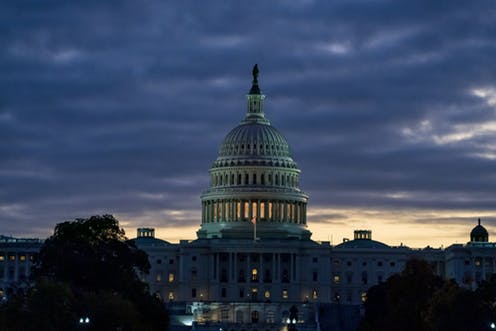
The U.S. House of Representatives has approved its version of the National Defense Authorization Act (NDAA), authorizing nearly $900 billion in military spending for 2025. The measure, passed 231–196 largely along party lines, mirrors last year’s funding levels but has drawn sharp debate over partisan amendments.
All but four Republicans supported the bill, while most Democrats opposed it due to provisions touching on divisive social issues. One controversial amendment would bar Pentagon health insurance from covering gender-related medical care. Representative Adam Smith of Washington, the top Democrat on the House Armed Services Committee, criticized Republicans for advancing what he called a “culture war agenda” rather than addressing national security priorities.
Republican chairman of the committee, Representative Mike Rogers of Alabama, celebrated the bill’s passage, calling it a vote to modernize the military, strengthen deterrence, and support service members. The legislation provides a 3.8% pay raise for troops and seeks to overhaul the defense acquisition process by cutting approval delays and expanding investment in artificial intelligence research.
Efforts to cut funding for Ukraine and Taiwan were rejected. However, the bill reignited political battles after Senate Democrats attempted to push an amendment requiring the release of files related to Jeffrey Epstein. Republicans blocked the move, reflecting the case’s lingering political sensitivity given former President Donald Trump’s past ties to Epstein.
The Senate is working on its own NDAA version, which proposes $32 billion more in defense spending. Once passed, both chambers must reconcile differences before sending the final bill to the White House for Trump’s approval or veto.
With military modernization, troop pay raises, and geopolitical support at stake, the NDAA’s fate underscores the deep partisan divides shaping U.S. defense policy.







