


 Google Changes EU Spam Policy Amid Antitrust Scrutiny
  Venezuela Nears Deal to Move $4 Billion in Gold to New York Fed
  Texas Republicans Turn Against AI Data Centers as Election Backlash Grows
  U.S. Probes Apex Logistics Over Nvidia AI Chip Shipments to China
  DOJ Will Investigate AI-Related Crimes, Attorney General Blanche Says
  Australia Tightens Student Visa Rules, Targets Migration Cut by 2028
  US Allies Fear Trump Could Soften Taiwan Stance in Xi Talks
  Saudi Arabia Shuts East-West Oil Pipeline After Drone Attack
  Trump Administration Pauses Visa Appointments Worldwide
  US Judge Dismisses Imran Ahmed Deportation Lawsuit
  FDA Weighs Safety Standards for Psychedelic Therapies
  Yemen Fighting Threatens Red Sea Oil Routes
  Australia Plans New Rules Giving Users Control Over Social Media Feeds
  South Korea’s Lee Rules Out Military Role in Middle East War
  US Resumes Immigrant Visa Processing for Hungary, Poland
  Najib Razak Granted House Arrest Until 2028
  Bessent Presses Japan on Fiscal Policy as Yen Struggles


 Add as a preferred source on Google
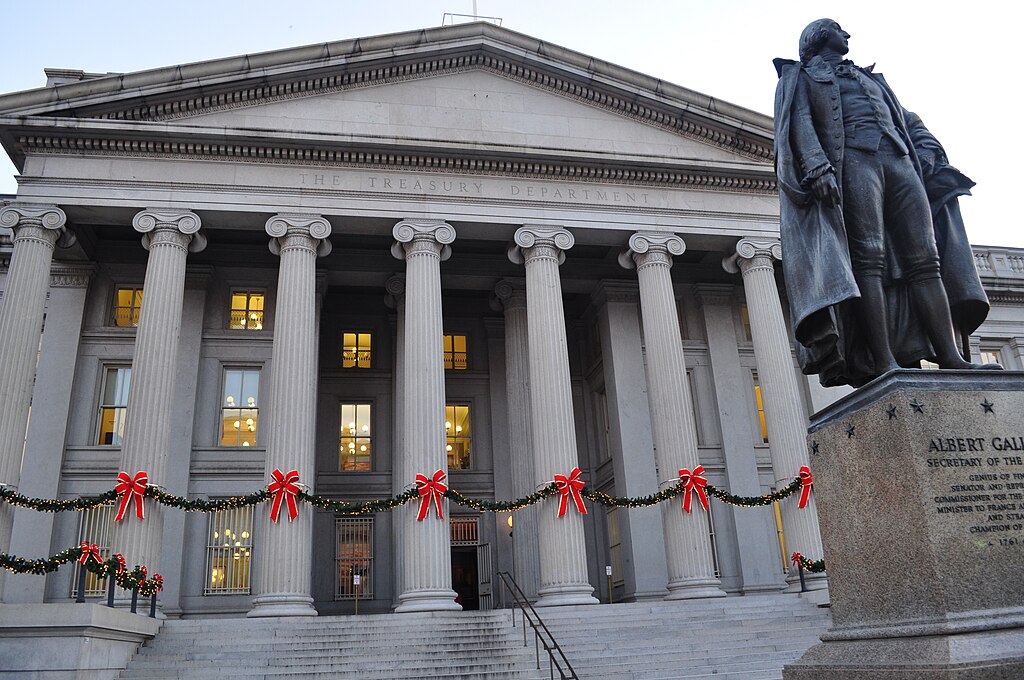
The U.S. Treasury Department has announced new sanctions on over 115 Iran-linked individuals, entities, and vessels, intensifying Washington’s “maximum pressure” campaign following June’s bombing of Tehran’s key nuclear sites. Officials described the action as the most significant Iran-related sanctions move since 2018 under President Donald Trump’s first term.
The measures primarily target the shipping empire of Mohammad Hossein Shamkhani, son of Ali Shamkhani, a senior adviser to Supreme Leader Ayatollah Ali Khamenei. According to Treasury, Shamkhani oversees a vast fleet of container ships and tankers used to sell Iranian and Russian oil worldwide, generating billions in revenue to support Iran’s regime.
In total, 15 shipping firms, 52 vessels, 12 individuals, and 53 entities across 17 countries—including Panama, Italy, and Hong Kong—were sanctioned for sanctions evasion activities. U.S. officials said the move will make it harder for Iran to export oil but is not expected to disrupt global markets. Iran’s oil exports have already fallen from 1.8 million to 1.2 million barrels per day this year.
Iran’s foreign ministry condemned the sanctions as “hostility” toward the Iranian people. The European Union sanctioned Shamkhani earlier in July over his role in Russia’s oil trade.
The announcement comes as U.S.-Iran diplomatic prospects remain bleak after recent airstrikes. Trump has warned of further attacks if Tehran attempts to revive bombed nuclear facilities, calling Iran’s signals “nasty.” While Washington remains open to dialogue, European and Iranian officials see little chance of renewed talks.
The sanctions underscore escalating tensions between Washington and Tehran, as the U.S. seeks to curb Iran’s oil trade and nuclear ambitions amid growing international scrutiny.







