High-stakes diplomatic negotiations between the United States and Iran concluded in Islamabad over the weekend without a breakthrough, yet sources close to the discussions say both sides remain engaged in pursuit of a long-term agreement.
The meeting — the most senior direct engagement between Washington and Tehran since Iran's 1979 Islamic Revolution — took place at the Serena Hotel, just four days after a Pakistan-brokered ceasefire halted six weeks of armed conflict that killed thousands and severely disrupted global energy markets. Pakistani mediators, including Army Chief Asim Munir and Foreign Minister Ishaq Dar, shuttled between delegations throughout the night to keep the dialogue from collapsing entirely.
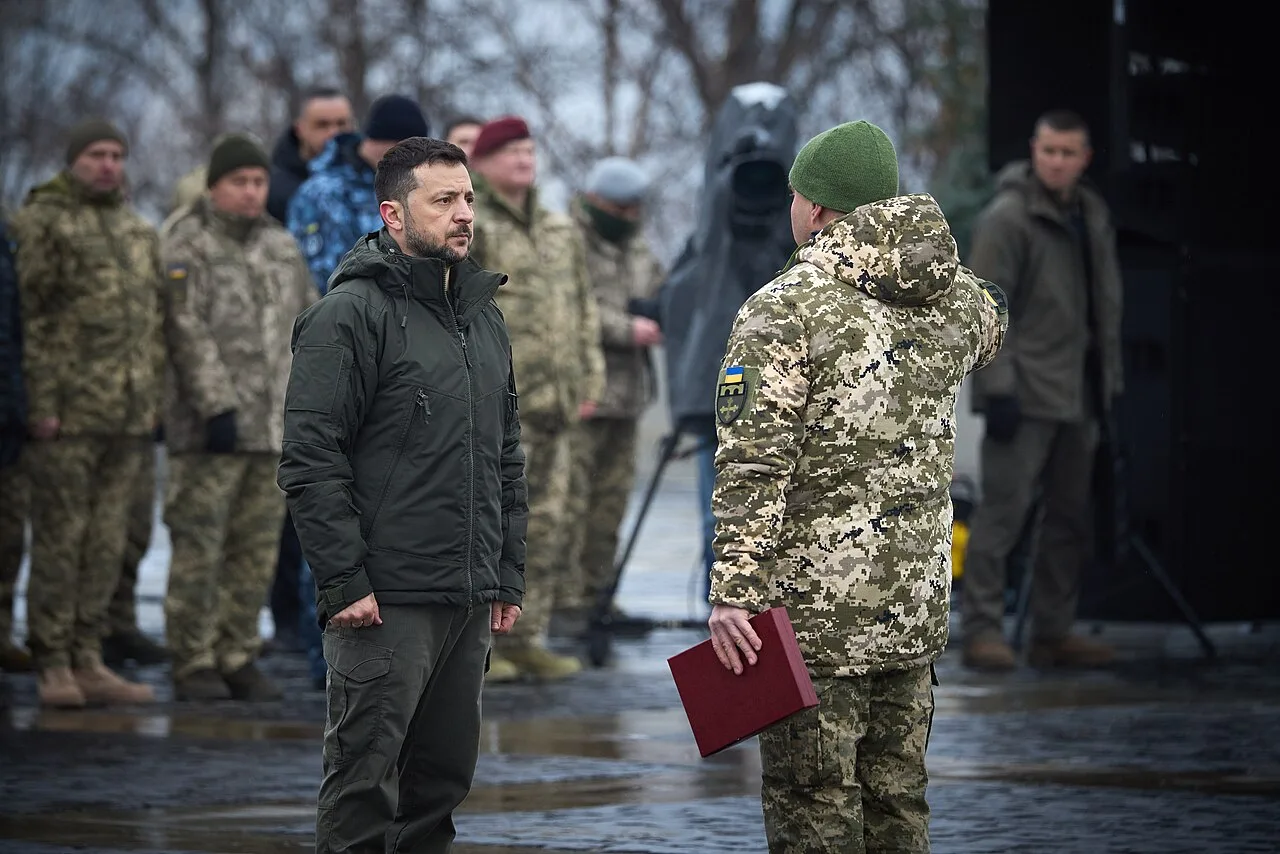
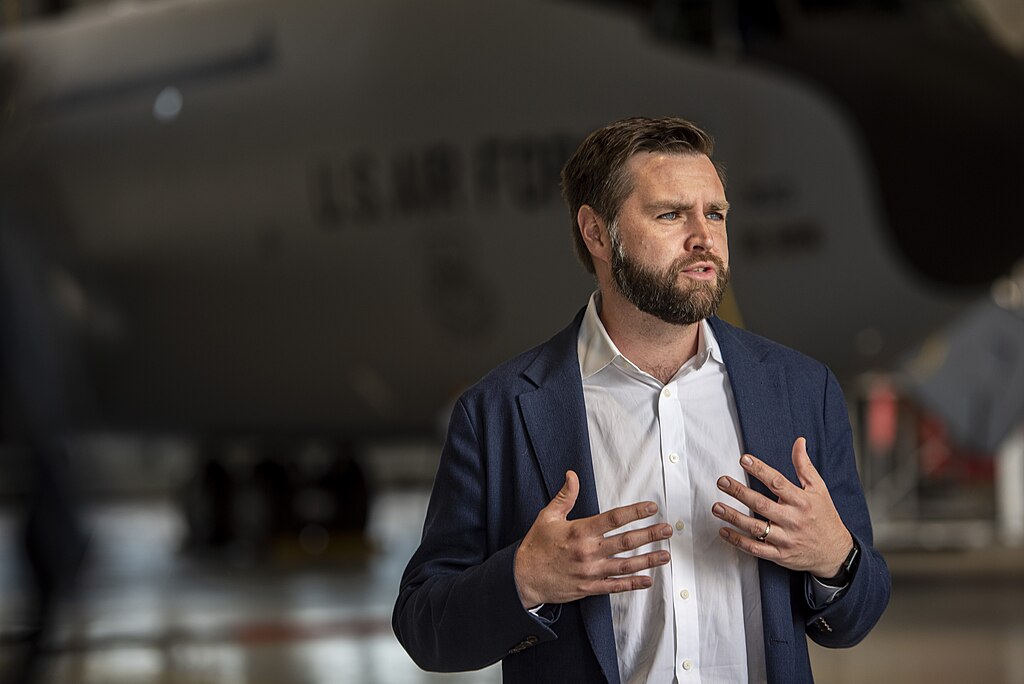
U.S. Vice President JD Vance led the American delegation, while Iran was represented by Parliamentary Speaker Mohammad Baqer Qalibaf and Foreign Minister Abbas Araqchi. Spanning more than 20 hours of tense, on-and-off negotiations, the talks covered Iran's nuclear program, the blockade of the Strait of Hormuz, international sanctions, and the release of frozen Iranian assets.
One source involved in the process said the parties reached roughly 80 percent of a potential agreement before hitting obstacles neither side could resolve independently. Trust emerged as a central barrier, with Iranian officials openly questioning American reliability following a U.S.-Israeli military strike that occurred just days after a previous round of Geneva talks.
Washington's core demand remains a permanent end to Iranian uranium enrichment and full dismantlement of nuclear facilities. Tehran, in turn, insists on guaranteed ceasefire terms, sanctions relief, and recognized rights over the Strait of Hormuz.
Despite the impasse, President Trump indicated Iran had reached out expressing interest in reaching a deal. Pakistan's Prime Minister Shehbaz Sharif confirmed mediation efforts were still ongoing, and Vance stated the U.S. had presented its "final and best offer," leaving the next move to Tehran.