Two critical rounds of diplomatic negotiations focusing on Iran and the Russia-Ukraine war are scheduled to take place in Geneva on Tuesday, according to a source familiar with the matter. The high-level meetings signal renewed international efforts to address escalating geopolitical tensions and explore potential diplomatic solutions.
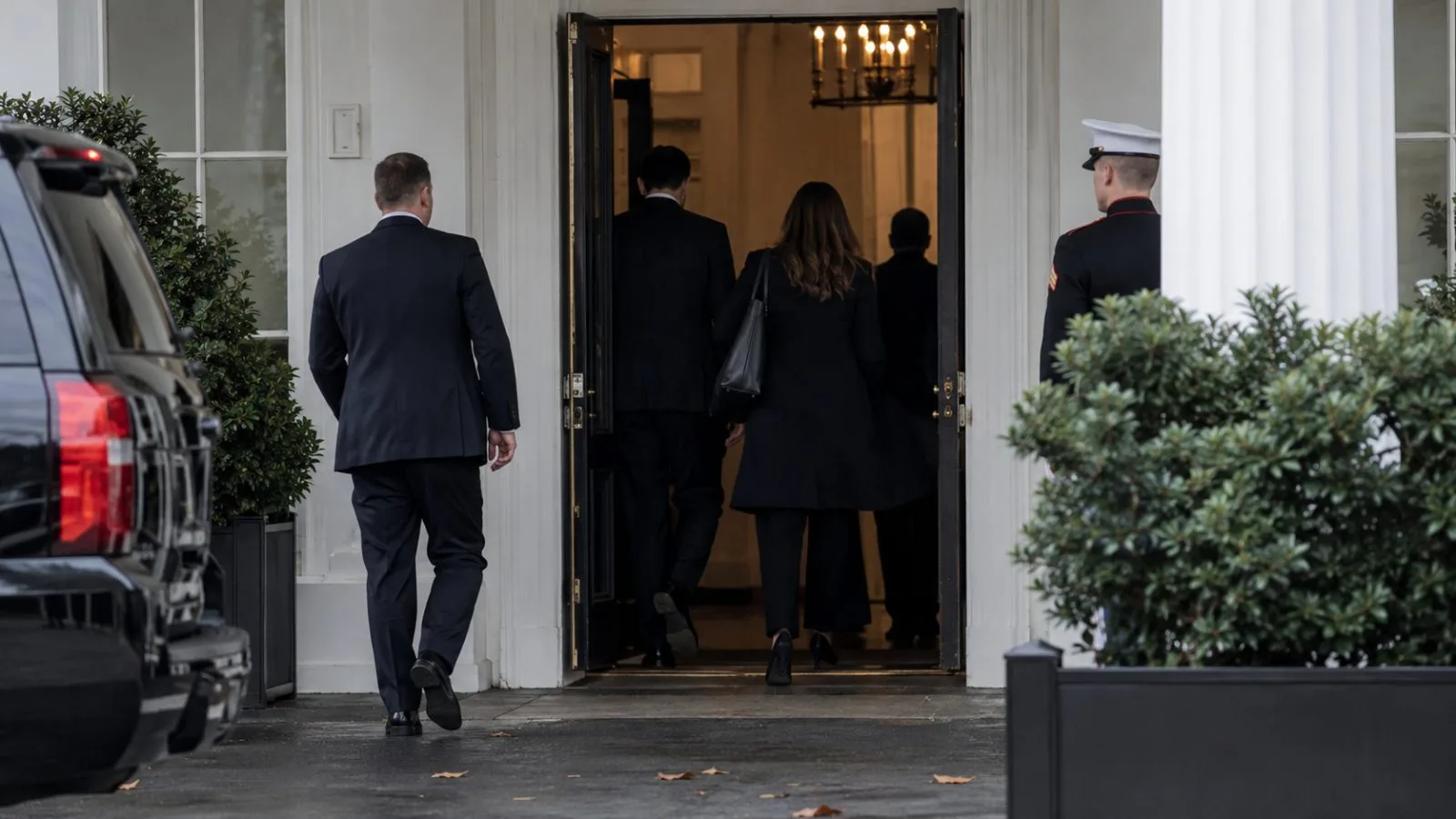
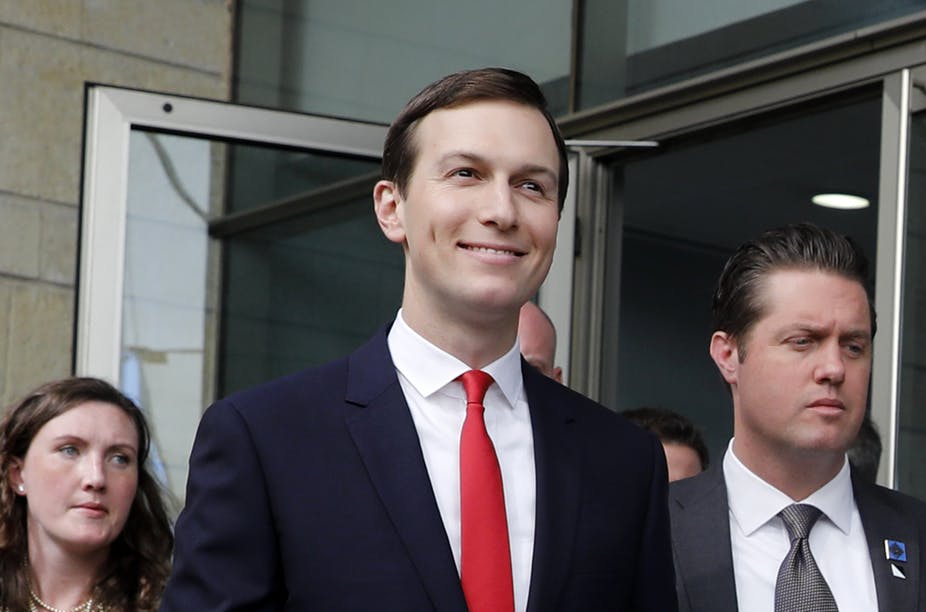
A United States delegation, including senior envoys Steve Witkoff and Jared Kushner, is expected to hold direct talks with Iranian officials on Tuesday morning. Representatives from Oman will attend and serve as mediators during the U.S.-Iran discussions, underscoring Muscat’s ongoing role as a diplomatic bridge between Washington and Tehran. The talks come amid heightened strain in U.S.-Iran relations, as President Donald Trump increases pressure on the Iranian government following its violent crackdown on protesters. The U.S. has also expanded its naval presence in the region, a move widely seen as a show of force aimed at deterring further instability.
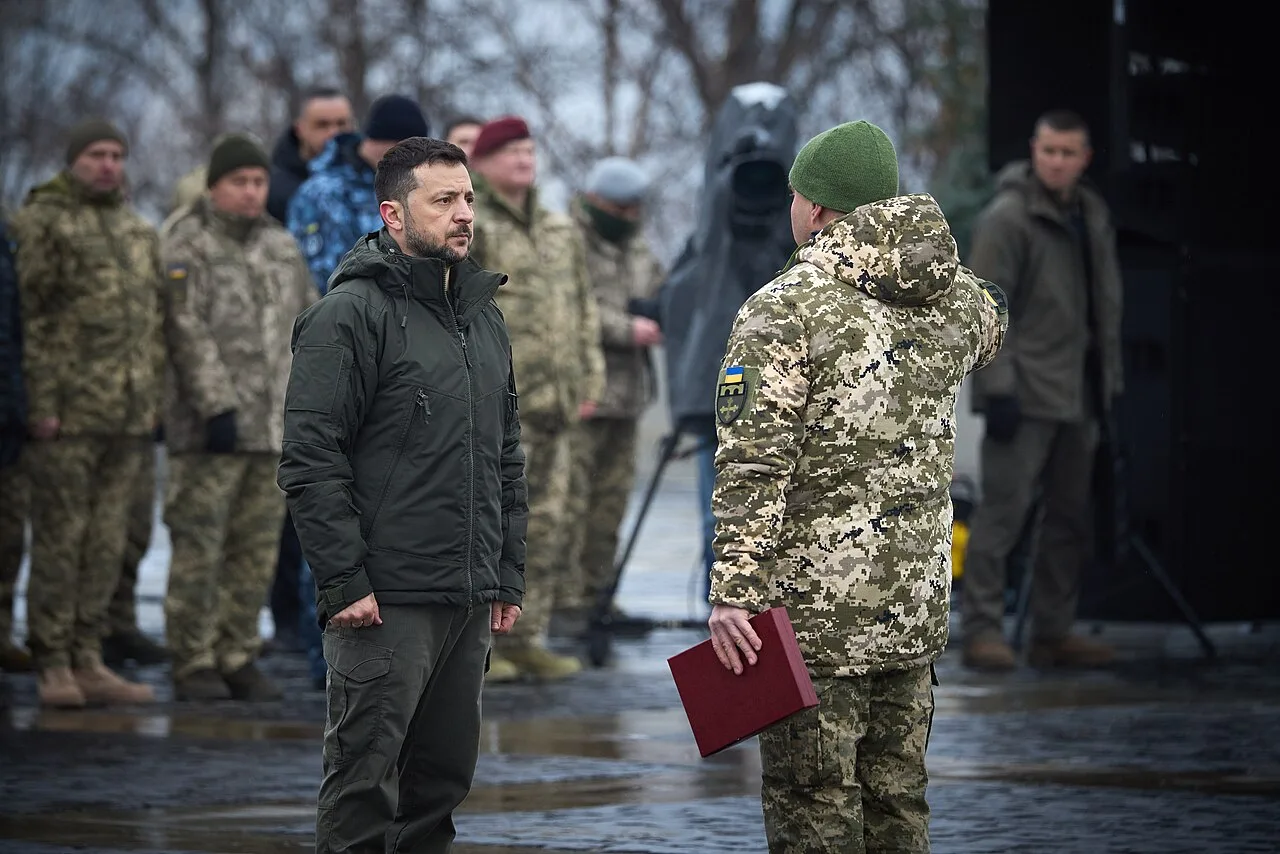
Later that afternoon, Witkoff and Kushner are set to participate in trilateral negotiations with representatives from Russia and Ukraine. The meeting is part of broader diplomatic efforts to address Moscow’s four-year-long invasion of Ukraine and explore possible pathways toward a ceasefire or negotiated settlement. President Trump has been actively urging both Kyiv and Moscow to reach an agreement that would bring an end to the prolonged conflict.
The Geneva talks are viewed as a significant diplomatic moment, bringing together key global players amid ongoing crises in Eastern Europe and the Middle East. With tensions running high and international security at stake, the outcome of these negotiations could influence the trajectory of U.S. foreign policy, regional stability, and the future of the Ukraine conflict.