


 Trump Announces Russia-Ukraine Energy Ceasefire as Zelenskiy Awaits Details
  US Judge Blocks Trump Administration’s Taxpayer-Funded Political Ads
  Djibouti Migrant Boat Capsizes, Killing 139 and Leaving 84 Missing
  Zelenskiy Slams US-Russia Diesel Deal as Funding War
  Trump Calls for Zelenskyy Replacement Amid Russian Diesel Deal
  Yandex Data Center Hit by Drone Strike as Russia-Ukraine Cyber Infrastructure Attacks Escalate
  Trump Cancels Alabama Football Trip as Hurricane Isaias Approaches
  Trump Sanctions International Criminal Court, Sparking EU Backlash
  Flydubai Co-Pilot Planned Suicide Attack on Israel Airport, UAE Says
  Pakistan Declares Emergency in Khyber Pakhtunkhwa, Suspends Imran Khan’s PTI Government
  UK Finance Minister Healey Calls for Fiscal Discipline Amid Global Risks
  Flavio Bolsonaro Leads Lula 49%-45% in Brazil Runoff Poll
  Brazil Election: Lula and Bolsonaro Rally Ahead of October 25 Runoff
  US, EU Push for Action Against Asia’s Excess Factory Capacity
  Panama Declares Emergency After 7.7 Earthquake Triggers 200 Aftershocks
  Russian Strikes Kill Six in Ukraine, Including Three in Kharkiv
  Mahmoud Abbas Postpones Palestinian Elections to September 2027


 Add as a preferred source on Google
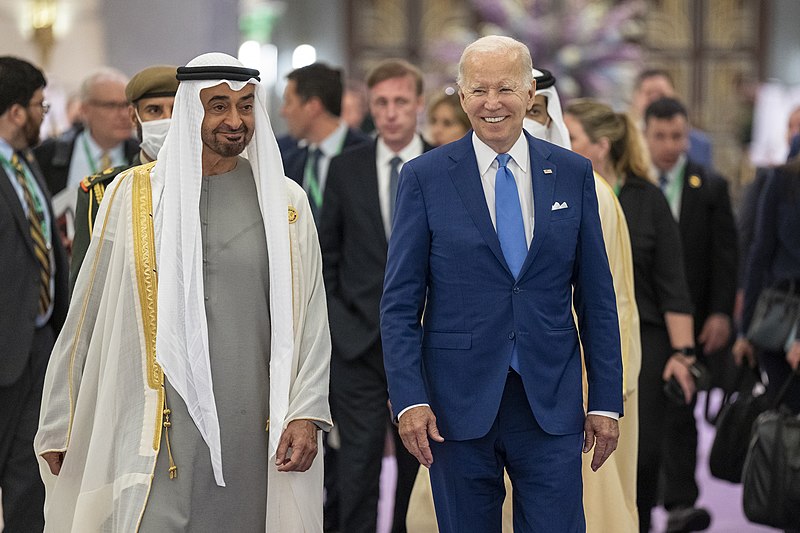
A senior United States official said President Joe Biden does not have plans to meet with Saudi Arabia’s de facto ruler, Crown Prince Mohammed bin Salman in the upcoming G20 Summit in Indonesia. The absence of a meeting with the crown prince follows the recent OPEC+ decision to cut oil production.
White House National Security Adviser Jake Sullivan said Sunday that Biden would act “methodically” in responding to Saudi Arabia over the plans to cut oil production by two million barrels per day. Among the options Washington has is to make changes to US security assistance, but Sullivan told CNN that no changes to the US-Saudi Arabia relationship are imminent as the US leader re-evaluates relations.
“The president isn’t going to act precipitously,” said Sullivan. “He is going to act methodically, strategically, and he’s going to take his time to consult with members of both parties and also have an opportunity for Congress to return so that he can sit with them in person and work through the options.”
Biden previously warned Saudi Arabia that there would be consequences to the decision to cut two million barrels of oil per day, a decision by OPEC+ that was in favor of Russia. The move by the Saudi-led group of oil-producing countries undermines the West’s plans to impose a price cap on Russian oil in response to the war in Ukraine. The move to cut oil production would also cause oil prices to rise.
Washington said Gulf leaders were aligned with Russia at the expense of their Western allies. Russia lauded OPEC+’s decision.
In response, the kingdom rejected the accusations by Washington, saying that the decision by OPEC+ was not politically motivated in nature.
“Saudi Arabia has viewed the statements…which have described the decision as the kingdom taking sides in international conflicts and that it was politically motivated against the United States,” said the Saudi foreign ministry in a statement Thursday last week.
The kingdom maintained that the decision by OPEC+ was genuinely “made on economic considerations,” and the economic advice was to resist calls to delay production cuts.
The Saudi government clarified through its consultation with the Biden administration that all economic assessments showed that postponing the decision to cut oil production by a month would lead to negative consequences, said the ministry.







