A senior U.S. official has disclosed new allegations that China carried out an underground nuclear test at its Lop Nor test site in June 2020, raising fresh concerns about nuclear compliance and global arms control.
Assistant Secretary of State Christopher Yeaw stated at a Hudson Institute event in Washington that a remote seismic monitoring station in Kazakhstan detected a magnitude 2.75 seismic event on June 22, 2020. The event occurred approximately 450 miles from China’s Lop Nor nuclear test grounds in western China. According to Yeaw, additional data analysis suggests the seismic activity was “very likely an explosion” rather than an earthquake or mining blast.
Yeaw, a former intelligence analyst with a doctorate in nuclear engineering, said the seismic signature matched what experts would expect from a nuclear explosive test. He also claimed China may have attempted to conceal the blast using a technique known as decoupling, in which a device is detonated inside a large underground cavity to reduce detectable shockwaves.
However, the Comprehensive Test Ban Treaty Organization (CTBTO), which operates a global nuclear test monitoring system, said there is insufficient data to confirm the claim. The CTBTO reported that its PS23 seismic station recorded two small seismic events spaced 12 seconds apart, but both were well below the 500-ton TNT detection threshold typically associated with nuclear tests.
China has denied conducting any underground nuclear testing and maintains that its last official nuclear test occurred in 1996. The country has signed but not ratified the Comprehensive Nuclear-Test-Ban Treaty (CTBT), as has the United States.
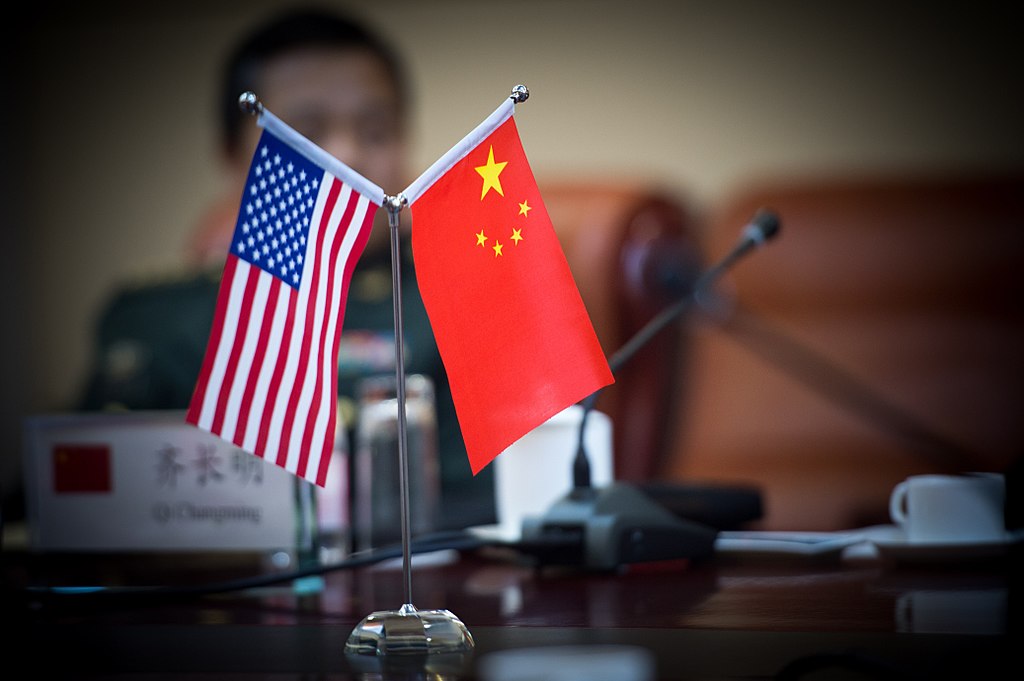
The allegations come amid heightened tensions over nuclear arms control following the expiration of the New START treaty between the U.S. and Russia. Washington has urged Beijing to join trilateral arms negotiations, while China argues its nuclear arsenal remains significantly smaller than those of the two major powers.