


 Uranium Prices Could Top $100 as Nuclear Demand Grows
  China Boosts Gold Reserves by 650,000 Ounces as Prices Rally
  Japan, U.S. Stay Aligned on Yen as Currency Surges
  Flavio Bolsonaro Rallies Brazil Opposition Ahead of Election
  Trump Orders Reduction in U.S.-South Korea Military Drills, Citing Kim Jong Un Ties
  Trump Orders Major Overhaul of US Navy Shipbuilding
  US Stock Futures Mixed as Strong Jobs Data Boosts Fed Rate Hike Bets
  Trump Administration Moves to Strip ABA of Law School Accreditor Status
  OPEC+ Expected to Hold October Oil Output Steady
  Russia Seeks to Claw Back Soldier Bonuses After Crimes
  China Expands Influence in Global Gold Market
  SEC Sues Former Tricolor Executives Over $1.9 Billion Investor Fraud Scheme
  Trump Targets 1,000 U.S. Space Launches Annually by 2030
  Iran Threatens Gulf Energy Assets as U.S. Tensions Escalate
  US Stock Futures Mixed as Fed Rate Hike Bets Rise
  New Zealand Moves to Ban Social Media for Children Under 16
  ECB Set for September Rate Hike as Energy Prices Fuel Inflation


 Add as a preferred source on Google
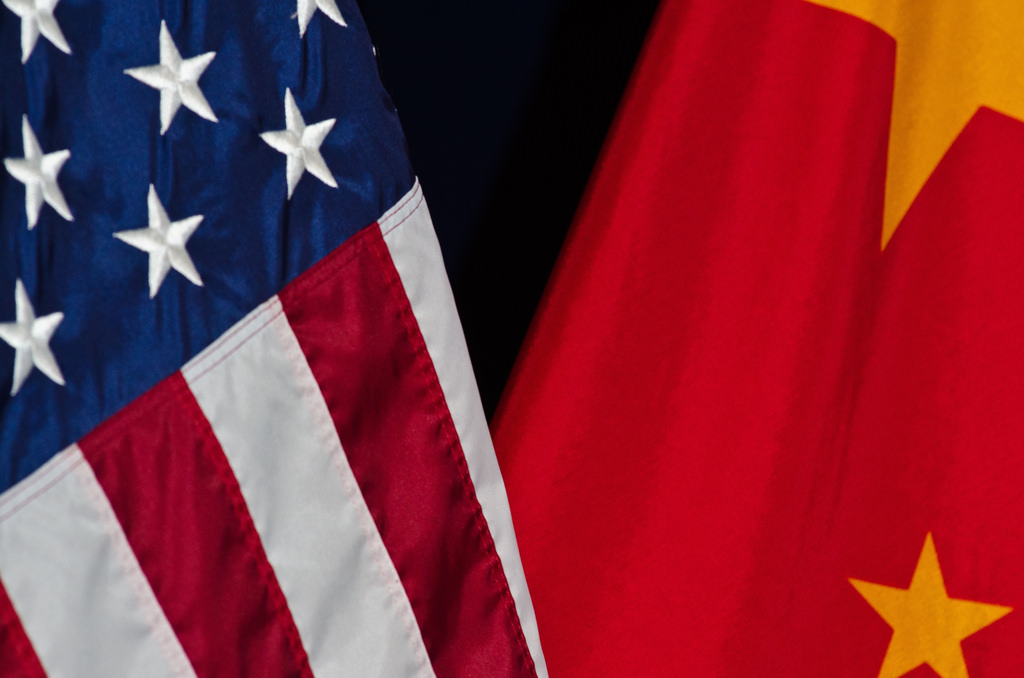
The Trump administration has announced a one-year suspension of U.S. port fees on China-linked vessels as part of a broader agreement aimed at easing trade tensions between Washington and Beijing. The U.S. Trade Representative (USTR) formalized the move in a Federal Register notice, stating that all punitive measures tied to its Section 301 investigation into China’s shipbuilding and ocean logistics dominance will be paused starting November 10, 2025.
The temporary reprieve covers an estimated $3.2 billion in annual fees applied to large Chinese-built vessels entering U.S. ports. The deal, reached between President Donald Trump and Chinese President Xi Jinping in South Korea in late October, also halts 100% tariffs on ship-to-shore cranes and intermodal chassis used for container transport. USTR confirmed that negotiations under Section 301 would resume to address trade concerns, though specific objectives and timelines were not disclosed.
As part of the de-escalation agreement, China will likewise suspend its own retaliatory port fees on U.S.-linked ships. According to Hawaii-based shipping company Matson, it has paid $6.4 million in fees to China since mid-October. Meanwhile, analysts estimate that state-owned carrier COSCO could face up to $1.5 billion in annual U.S. port fees without the suspension.
The USTR emphasized that the U.S. will continue initiatives to strengthen domestic shipbuilding and collaborate with allies on maritime industry revitalization. The one-year pause signals a potential thaw in U.S.-China trade relations, which have been strained by years of tariff battles and geopolitical competition. Both governments appear focused on rebuilding dialogue while maintaining leverage over key maritime and logistics sectors, crucial components of global trade infrastructure.







