


 Rapidus Seeks Chip Customers as Japan Pushes 2nm Semiconductor Revival
  Houthis Strike Aden Airport as Yemen Fighting Escalates
  Illinois Delays Crypto Tax Law Until July 2027
  Saudi Arabia Probes Flydubai Cockpit Attack
  Pentagon Launches Autonomous Warfare Command
  San Francisco Halts New Data Center Construction With 45-Day Moratorium
  Mexico Bars Dual Citizens From Presidential Races Starting in 2028
  Maduro, Wife May Face New US Torture Charges
  US Pressures Allies to Distance From Anti-Disinformation Conference
  Hegseth Praises USS Abraham Lincoln Crew After Record Iran War Deployment
  US-Taiwan Ties Remain Strong as Taipei Urges Timely Arms Deliveries
  France to Release 10 Million Barrels of Diesel to Ease Fuel Prices
  Lula Weighs Alckmin as Finance Minister to Boost Fiscal Credibility
  Tsai Warns of China’s Sustained Pressure on Taiwan
  US Waives $320M Egypt Military Aid Conditions After Iran War Role
  US DOT Ends Airline Privacy Review Without Enforcement
  Iran Tanker Attacks Surge as Hormuz Oil Flows Near Prewar Levels


 Add as a preferred source on Google
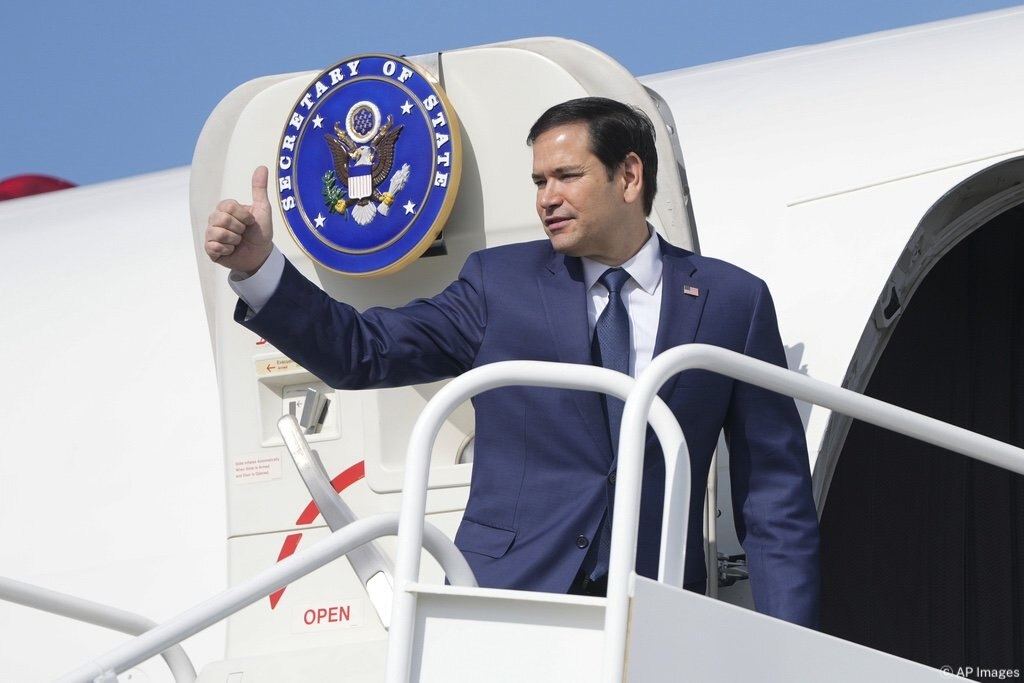
U.S. Secretary of State Marco Rubio has ordered American diplomats to return to using Times New Roman in all official communications, reversing a 2023 decision by former Secretary Antony Blinken to adopt Calibri. According to an internal cable obtained by Reuters, Rubio characterized the switch back to the serif font as a move to restore professionalism and eliminate what he called a “wasteful” diversity initiative.
Blinken’s State Department had shifted to Calibri in early 2023, arguing that the sans-serif typeface improved accessibility for individuals with visual disabilities and aligned with commonly used Microsoft default settings. The new cable, dated December 9, asserts that serif fonts like Times New Roman convey a more formal tone and better reflect the decorum expected in diplomatic communication. It also states that the change supports President Trump’s “One Voice for America’s Foreign Relations” directive, emphasizing consistency in how U.S. foreign policy messages are presented.
Rubio’s order arrives amid the Trump administration’s broader rollback of federal diversity, equity, and inclusion (DEI) programs. Since taking office, Trump has aggressively targeted DEI initiatives across federal agencies, pushing for the removal of diversity officers and cutting funding for related programs. Critics argue that the administration’s stance has fueled backlash against DEI efforts that expanded after nationwide protests in 2020 over police violence against unarmed Black Americans. Supporters of DEI maintain that such initiatives help address long-standing inequities, while opponents—including Trump—claim they undermine merit-based systems.
Some accessibility advocates note that sans-serif fonts like Calibri can be easier to read for people with certain visual impairments, though the State Department has not publicly commented on the decision. As the policy takes effect, U.S. embassies and consulates worldwide will once again standardize their documents in Times New Roman, marking another symbolic shift in the administration’s approach to federal communication and diversity-related practices.







