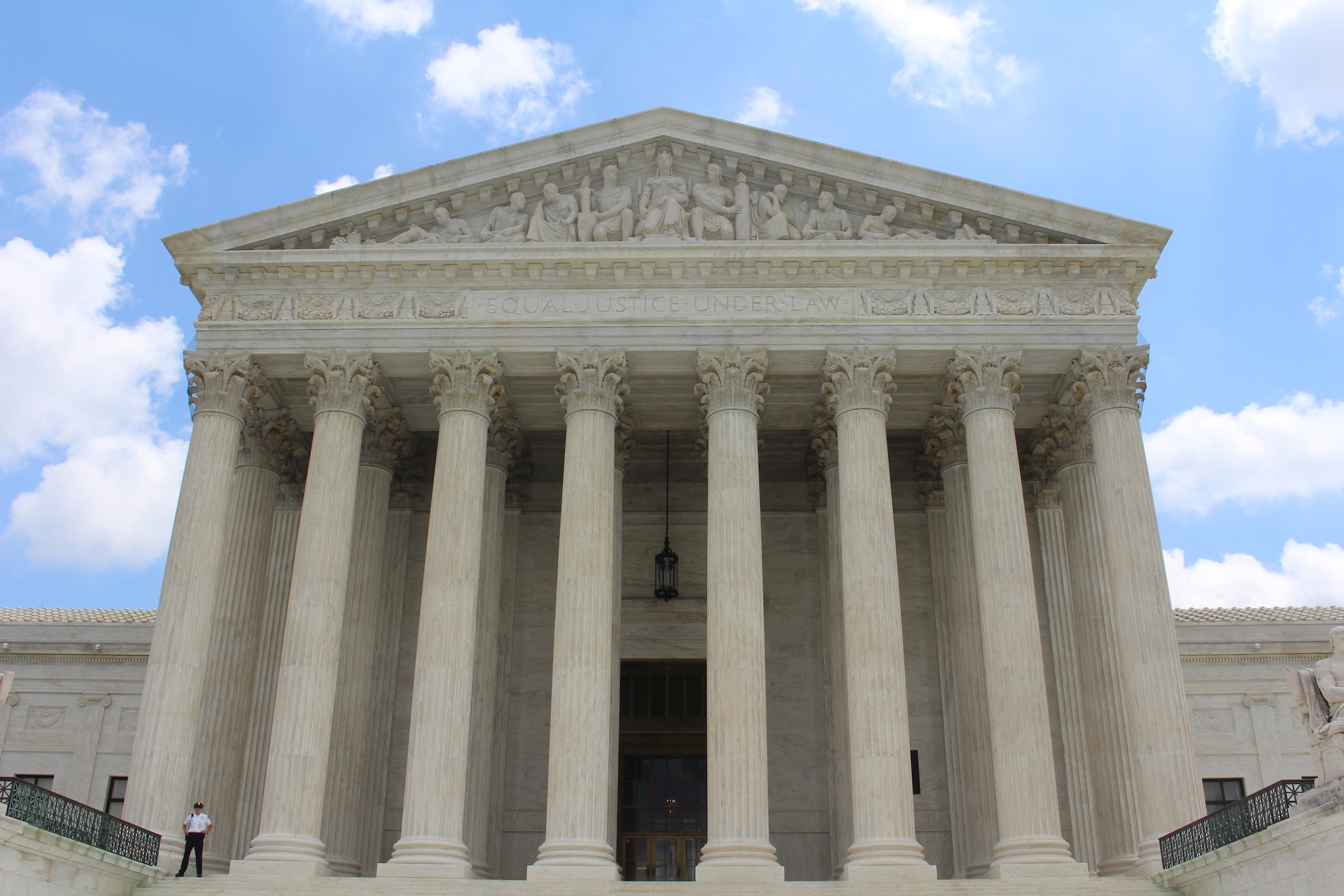
The United States Supreme Court granted the legal challenge by an Alabama death row inmate. The inmate sued months before surviving the lethal injection process, which they argued breached constitutional protections against unusual forms of punishment.
The Supreme Court on Monday granted the legal challenge filed by convicted murderer Kenneth Smith, who sued months before surviving the state’s lethal injection process. Smith was convicted for his role in a murder-for-hire plot in 1988. Smith filed the lawsuit in federal court in August last year, arguing that the state’s lethal injection process would clear the way for cruel and unusual punishment that would go against the US Constitution’s Eighth Amendment, citing the problems that Alabama officials encountered in executing inmates on death row including the accessing of veins to insert the intravenous lines.
The method by the state posed “an intolerable risk of torture, cruelty, or substantial pain,” said the lawsuit. The issue is whether, under precedent in the Supreme Court, the use of injecting nitrogen hypoxia – approved by the Alabama legislature but not used by the Department of Corrections – is a legally available alternative.
The case has since returned to the justices after initially turning away an appeal by Alabama officials of a decision made by the lower court to revive Smith’s lawsuit that sought to block the state from executing him through lethal injection. Smith is now seeking another method to be executed.
The court granted the challenge by seven to two, with conservative justices Samuel Alito and Clarence Thomas dissenting.
Alabama’s Republican Attorney General Steve Marshall expressed disappointment with the court’s decision and said that his office was reviewing the decision to determine the next steps to be taken.
Meanwhile, Washington has disclosed that it has deployed 1,419 nuclear warheads in its arsenal, part of its commitments under the New START treaty it has with Russia as it looks to pressure Moscow to do the same. The announcement by the state department also appears to reverse its previous decision of not sharing the data.
“The United States continues to view transparency among nuclear weapon states as extremely valuable for reducing the likelihood of misperception, miscalculation, and costly arms competitions,” said the agency’s spokesperson in a statement on Tuesday.
Photo by Claire Anderson/Unsplash(CC by 2.0)