


 Gold Prices Rebound as Dollar Weakens Ahead of US Inflation Data
  Asian Stocks Fall as Oil Prices Rise Ahead of US CPI Data
  China Bank Lending Rebounds in September, Beats Forecasts
  Wall Street Ends Mixed as Investors Await CPI and Bank Earnings
  Philippines Current Account Deficit Seen at $19.1 Billion in 2026
  Asian Stocks Plunge as AI Chip Selloff Hits South Korea and Japan
  European Stocks Rise as Oil Prices Fall Ahead of US CPI
  Wall Street Closes Lower as Bank Earnings and AI Concerns Weigh
  IMF Warns US Debt Crisis Needs Fiscal Action, Urges China to Boost Consumption
  Gaza Olive Harvest Collapses as War Destroys Farmland
  Gold Prices Mixed Ahead of US Inflation Data and Fed Rate Outlook
  Nasdaq Falls as Oil Prices Surge Ahead of Bank Earnings
  Oil Prices Surge Above $106 After Deadly Saudi Airport Attack
  Asian Currencies Steady as Dollar Nears 18-Month High Ahead of US CPI
  US Dollar Slips From 18-Month High Ahead of Key Inflation Data
  Oil Prices Fall as Trump Ceasefire Claim Shifts Market Focus to U.S. CPI


 Add as a preferred source on Google
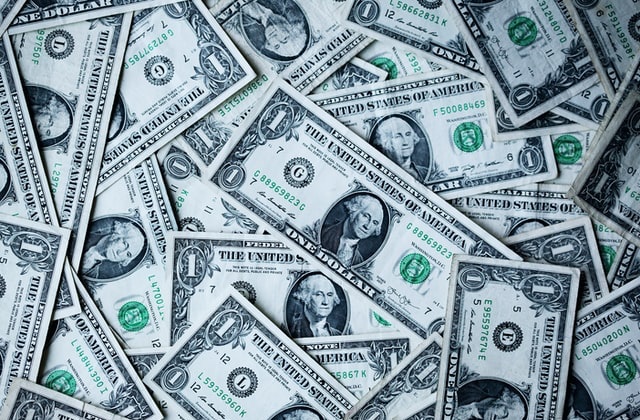
Workers in 20 states in the U.S. will start receiving bigger paychecks this year. The new payout could be a New Year gift that employees will surely appreciate, especially in this time of the pandemic.
It was reported that as soon as Jan. 1, most of the low-wage workers in some states across the U.S. will get more pay as the minimum wages were adjusted to higher rates. The pay hike is an effort to help people with the altered cost of living today.
Wage increase - Here’s how much the workers will get
As per Fox News, Illinois, California, Maryland, and Connecticut are included in the list with approved wage increases. Workes can get as high as t $15 per hour. In New Mexico, the government upped the minimum salary by $1.50, which is from $9 to $10.50.
California will also give a $1 increase in the workers’ hourly wage, and this is said to be the highest increase in the country. In fact, in Minnesota, they will only offer an $.8 cents increase.
Since 2009, the federal minimum wage of $7.25 per hour did not change until now. Thus, with the 20 states giving pay raises, the $7.25 per hour was made into the default minimum baseline.
List of states approved for wage hike this 2021
So far, the 20 states that have been approved for wage hike this year include Alaska, Arizona, Arkansas, California, Colorado, Florida, Illinois, Maine, Maryland, Massachusetts, Minnesota, Missouri, Montana, Nevada, New Jersey, New Mexico, New York, Ohio, South Dakota, Vermont, and Washington.
Some of these states have implemented wage increases years before, but the new hike is more significant because many of the low-wage workers were hit hard by the COVID-19 crisis. As the pandemic continues, housing and food have become a problem for most families as incomes have plummeted. Apparently, the low-wage earners were the most affected in the economic fallout.
"We have lots of low-wage, service workers who are working through the Covid crisis, and this will be a very welcome boost for them. A lot of families are struggling right now in this crisis," CNN News quoted Ken Jacobs, head of the Center for Labor Research and Education at the University of California-Berkeley, as saying.
Research economist at the Economic Policy Institute, Ben Zipperer, added, "Redistributing money towards the lowest-paid workers is a smart policy this will help the shortfall in consumer demand our economy faces right now."







