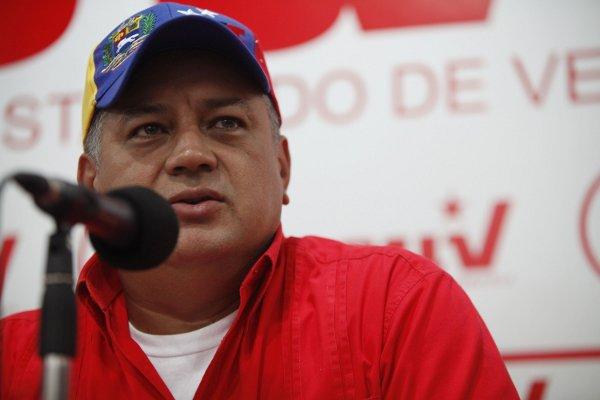
Venezuela’s interior minister Diosdado Cabello said late Wednesday that at least 100 people were killed during a U.S. military attack that resulted in the removal of President Nicolas Maduro from power over the weekend. The statement marked the first time Venezuelan authorities publicly provided a death toll following the dramatic events that unfolded in Caracas on Saturday, drawing widespread international attention.
According to Cabello, the casualties include a significant portion of Maduro’s security forces, whom officials claim were killed “in cold blood” during the raid. While the government has not released a full list of victims, the Venezuelan army earlier published the names of 23 soldiers confirmed dead in the operation. The figures released by Cabello significantly raise previous estimates and highlight the scale of violence surrounding the attack.
The situation has also drawn in regional allies. Cuba confirmed that 32 members of its military and intelligence services stationed in Venezuela were killed during the operation, underscoring the international dimensions of the crisis. Cuban officials condemned the attack and expressed solidarity with Venezuelan forces affected by the raid.
Cabello further revealed that Maduro and his wife, Cilia Flores, were both injured during their detention. Flores reportedly suffered a head injury, while Maduro sustained an injury to his leg. Both were taken into custody following the assault, though officials have provided limited information about their current condition.
In the aftermath of the raid, Venezuela’s interim President Delcy Rodriguez declared a week of national mourning to honor members of the armed forces who lost their lives. Cabello praised Rodriguez during his weekly state television program, calling her “courageous” for her leadership during what he described as a period of national tragedy and upheaval.
The unfolding events have intensified debate over U.S. involvement in Venezuela, raised concerns about regional stability, and prompted calls for independent investigations into the reported deaths. As more details emerge, the crisis continues to dominate global headlines and shape discussions about the future of Venezuela’s political landscape.