


 Najib Razak Granted House Arrest Until 2028
  ICE Agent Arrested in Minneapolis Over Venezuelan Man Shooting
  Appeals Court Rejects Trump Third-Country Deportation Policy
  France Urges Faster AI Push Despite Safety Risks
  US Delegation Visits Myanmar, Secures Release of American Adam Castillo
  Russian Attack on Balakliia Kills Two, Injures Two
  Pentagon Restarts Testosterone Testing for US Troops
  Trump Threatens EU Tariffs Over Canada Membership Proposal
  US Bans Canadian Alcohol, Motorcycles as Trade War Escalates
  Australia Tightens Student Visa Rules, Targets Migration Cut by 2028
  Trump Bans CNN, MS NOW and Politico From White House
  South Korea’s Lee Rules Out Military Role in Middle East War
  Trump Grants Clemency to Jay-Z Associate Emory Jones
  UN Allows Mahmoud Abbas Video Address After US Visa Denial
  Google Changes EU Spam Policy Amid Antitrust Scrutiny
  Trump Eyes End to Iran War, Plans Gulf Leaders Meeting
  US-China Experts Push AI Nuclear Safeguards to Prevent Military Escalation


 Add as a preferred source on Google
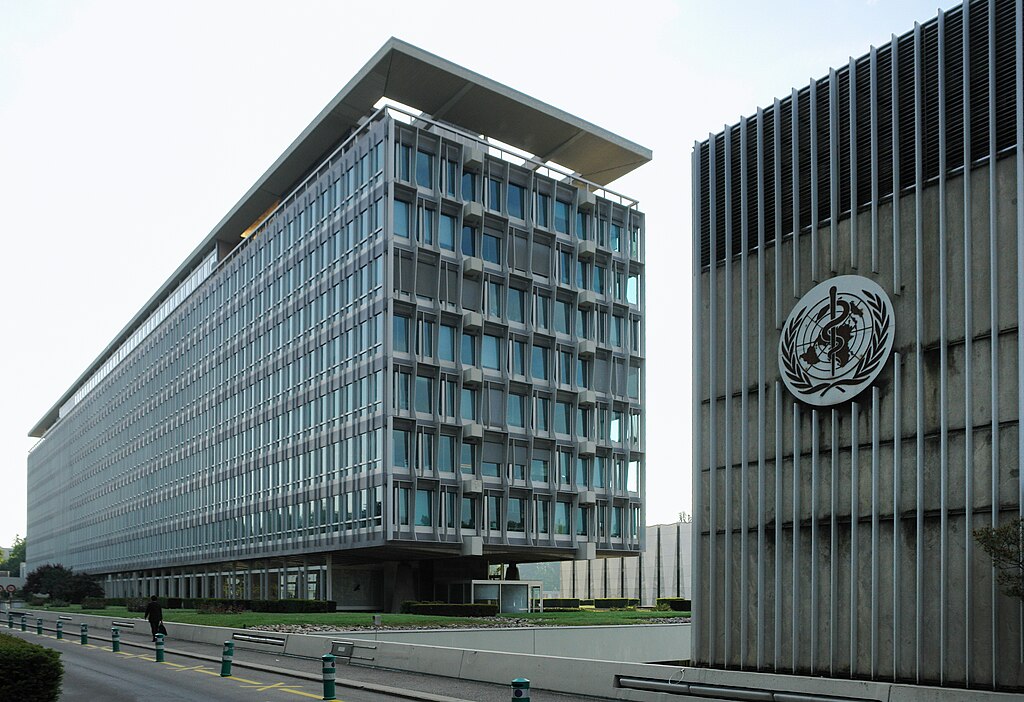
Hundreds of global health officials, diplomats, and donors are gathering in Geneva for the World Health Organization’s annual assembly amid a deepening funding crisis sparked by the U.S. withdrawal. Since President Donald Trump signed an executive order in January to exit the WHO, the agency has been preparing for a 21% budget cut, creating a $600 million funding gap for 2025.
The U.S., which historically contributed around 18% of WHO funding, remains a member until January 21, 2026, due to a year-long legal exit process. Trump cited dissatisfaction with WHO’s COVID-19 response, a claim the agency denies. Although he later suggested he might reconsider, there has been no indication of a policy reversal.
With the U.S. stepping back, China is poised to become the WHO’s largest state funder, increasing its share to 20% of assessed contributions. As WHO shifts toward “high-value” programs, its focus will remain on pandemic response, vaccine approvals, and essential disease guidelines, while scaling back training and operations in wealthier nations.
Internal restructuring has already begun, including staff cuts and budget reductions. WHO Foundation CEO Anil Soni noted the crisis has triggered a broader review of the agency’s operations, questioning the necessity of some programs and publications. Key health projects are now turning to private donors, such as the ELMA Foundation, which recently provided $2 million to support WHO’s global measles and rubella lab network.
The assembly will also approve a new pandemic preparedness agreement and seek additional donor funding. Still, the spotlight remains on how the WHO will function in a post-U.S. era, with one manager even requesting staff to volunteer as ushers without pay — a stark reflection of the financial strain facing global health governance.







