


 AstraZeneca Halts Phase III Volrustomig Lung Cancer Trial After Efficacy Setback
  US-Backed Pediatric HIV Treatment Drops After Foreign Aid Changes, Study Finds
  Moderna Short Sellers Hit With $4.8 Billion Loss as Stock Soars
  Novo Nordisk Eyes Turnaround as Oral Wegovy Challenges Eli Lilly in Weight-Loss Drug Race
  Novartis M&A Strategy Faces Investor Scrutiny After Drug Setbacks
  FDA Weighs Safety Standards for Psychedelic Therapies
  New Mexico Measles Outbreak Cost Reached $5.4 Million, Study Finds
  Trump Signs Order to Cut Routine Childhood Vaccines
  GLP-1 Weight-Loss Drug Use Surges Among U.S. Children
  Hims & Hers Shares Fall as GLP-1 Costs Widen Q2 Loss
  GSK Unveils $2.52 Billion Cost-Cutting Plan to Accelerate Drug Pipeline
  HUTCHMED, AstraZeneca Seek FDA Approval for Lung Cancer Combo
  Hanmi Pharm Soars 30% on $2.3 Billion Genentech Obesity Drug Deal
  New York Declares Measles Disaster Emergency as Cases Surge


 Add as a preferred source on Google
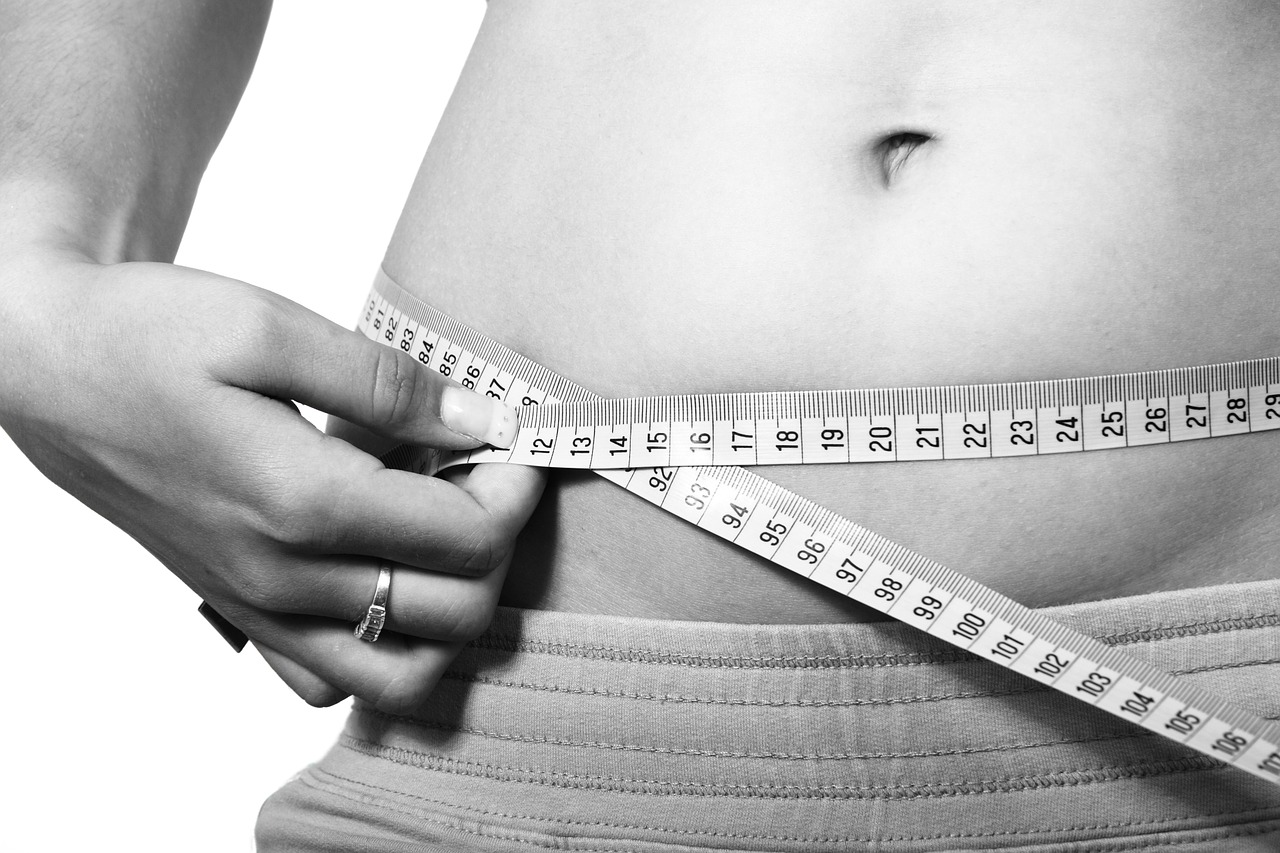
Trying to lose weight is hard work. You need to plan meals and snacks, and make a big effort to avoid situations that trigger more eating and drinking than you’d planned. Dieting can also be very antisocial. But what if you could speed up weight loss, spend less time “dieting”, with the “promise” of better results? This is where “fasting” diets come in.
What is a ‘fasting’ diet?
Intermittent fasting is the broad name for diets when you fast to some degree on some, but not all, days of the week; you eat normally on the other days.
On “fast” days, the kilojoule (energy) restriction is severe, at about 25% of what you would normally eat. This is only 2,000 to 3,000 kilojoules a day. An average person needs around 8,700 kilojoules a day (depending on body size and activity level) to maintain their current body weight.
To lose between one quarter and half a kilogram a week you would need to reduce your energy intake by 2,000 kilojoules a day. Over a whole week, this is equivalent to cutting back total energy intake by 14,000 kilojoules. Fasting diets compress this 14,000 kilojoule reduction into fewer days of dieting. In practical terms, this means that you reduce your intake by so much on a couple of days, you do not to be so strict on the other days.
Depending on the type of “fasting” diet, you focus all your weight loss efforts into sticking to the severe restriction for either two days a week (as in the 5:2 diet) or every second day (for three to four days days a week), as in alternate-day fasting. Another variation is the 16-hour overnight fast where eating is restricted every day to an eight-hour window, such as 11am to 7pm. Across all types of intermittent energy restrictions diets, we don’t know the longer-term benefits or harms.
Any intermittent fasting approach will work if you can tolerate the hunger pains and stick to it. Sounds easy, but it is a very hard thing to do and for many it is not realistic. When you are fasting, your body thinks there is a famine and will try to get you to eat. The idea is that by including non-fasting periods, when you eat what you want, you may feel less like you are on a “diet”, and that makes it easier to stick to.
Even though “fasting” dieters are told to eat what they feel like on non-fast days, most do not get a compensatory increase in appetite. In other words, they do not over-eat, but just eat normally on non-fast days. So they reduce their total kilojoule intake over the whole week.
How about very low energy diets?
A specific type of continuous (every day) fasting diet is called a protein sparing modified fast or a very low energy diet. These limit you to 1,800 to 2,500 kilojoules a day, every day. They use products called formulated meal replacements, in the form of milkshakes or snack bars to replace most meals and snacks. These are supplemented with vitamins and minerals to meet the body’s nutrient needs.
Such very low energy programs usually include one small meal that contains a couple of cups of vegetables (to boost fibre and nutrient intakes), a small amount of oil (to keep the gall bladder working) and sometimes a fibre supplement (to manage constipation). These are reserved for when you need to lose weight urgently for health reasons or ahead of surgery.
Continuous fasting using these very low energy diets is associated with a reduction in hunger. This is thought to be due to the production of molecules called ketones that cross the blood-brain barrier (from the brain’s bloodstream into its tissues) and reduce appetite.
Do ‘fasting’ diets work?
Intermittent fasting diets that last for at least six months help people lose weight. However, they are no more effective than other dietary approaches that restrict your kilojoule intake every day, but not so severely as a “fast”.
Consistent with this result, a study published last week randomised 100 adults to either alternate-day fasting, a continuous energy restriction diet, or to no intervention, for six months. They were followed for another six months after that. There was no difference in weight loss between the diet groups after a year.
And a review that compared behavioural interventions for weight management to those that also included very low energy diets found very low energy approaches achieved slightly greater weight loss for up to two years.
Who should not try a fasting diet?
Fasting diets are not for everyone. People with major medical problems, or taking a range of medications including insulin, should not go on them, unless under medical supervision; they are not suitable for children, in pregnancy or for people with eating disorders; and they may exacerbate some mental health conditions.
Fasting diets can also have side-effects. The more days you spend “fasting”, the more likely you are to have them. Side-effects can include constipation, headaches, bad breath, gall bladder disease, gout and liver inflammation.
So, before starting a weight loss diet, see your doctor for a check-up. When you need more support to improve your eating habits, or the diet you were following stops working, you need to try another approach. That is a good time to also get advice from an Accredited Practising Dietitian.
What is the best diet for weight loss?
The best diet to help you achieve a healthy weight is one you can stick with. It should also help you feel better and be healthier.
By making improvements to your usual eating habits, that you can live with permanently, you will drop some weight. It might not be your dream weight, but it is likely to be realistic. It might not sound sexy, but it’s true.
 Disclosure
Clare Collins is affiliated with the Priority Research Centre for Physical Activity and Nutrition, the University of Newcastle, NSW. She is an NHMRC Senior Research fellow. She has received a range of research grants including NHMRC, ARC, Hunter Medical Research Institute, Meat and Livestock Australia, Diabetes Australia, the Heart Foundation. She has consulted to SHINE Australia, Novo Nordisk, Quality Bakers and the Sax Institute. She is a spokesperson for the Dietitians Association of Australia on some specific nutrition issues, including Australia's Healthy Weight Week.







