


 Trump Confirms US Intelligence Sharing With Ukraine Amid Russian Strikes
  IMF Warns US Debt Crisis Needs Fiscal Action, Urges China to Boost Consumption
  US Supreme Court Denies Release of Anti-ICE Activist Kyle Wagner
  Gaza Olive Harvest Collapses as War Destroys Farmland
  Trump Announces Massive Oil and Mineral Exploration Plans in Greenland
  Kim Jong Un Showcases ICBM Ahead of Possible Trump Meeting
  Zelenskiy Says Ukraine Received No Warning Before Russian Missile Attack
  China Resumes US Soybean Purchases After Trump-Xi Summit
  US Senate Midterms 2026: Key Races That Could Flip Control
  Flavio Bolsonaro Backs Brazil’s 40-Hour Workweek Reform Ahead of Runoff
  US Justice Department Drops Prosecution of Ex-CIA Analyst Sue Mi Terry
  Container Ship Sinks in Strait of Hormuz as Iran Attacks Escalate
  Italy’s Meloni Warns US-Russia Diesel Deal Could Weaken Ukraine Sanctions
  Netanyahu Rejects Preemptive Iran Strike Ahead of Israel Election
  MI5 Warns of Rising Iran, Russia Threats and AI Bioweapon Risks
  Jordan Bardella Antisemitism Allegations Threaten Le Pen’s Campaign
  Zelenskiy Says Trump’s Support for Russia Is ‘Painful’


 Add as a preferred source on Google
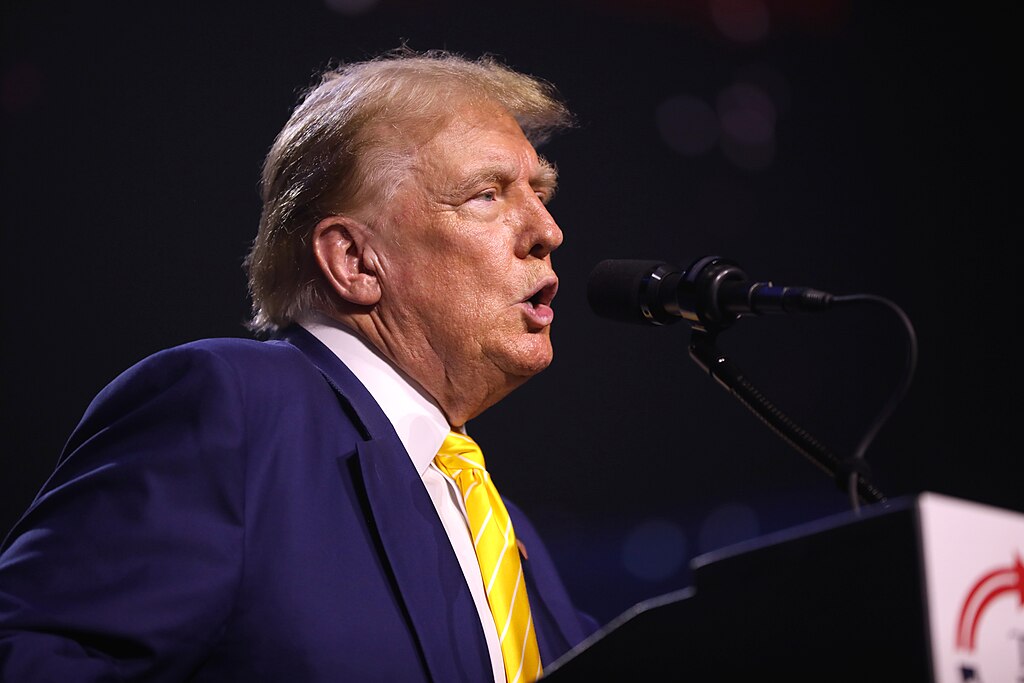
Former President Donald Trump has unveiled an ambitious plan to reform airport security policies across the United States in 2025. The proposal, aimed at streamlining travel experiences, seeks to balance heightened security measures with passenger convenience. However, critics have raised concerns about its feasibility and potential risks.
Streamlined Security Measures Under Trump’s Plan
The core of Trump’s reform focuses on minimizing the disruptions caused by Transportation Security Administration (TSA) procedures. Key changes include the implementation of advanced screening technologies designed to reduce manual inspections, along with the expansion of TSA PreCheck programs to accommodate more travelers. Trump emphasized that "travelers deserve efficient and secure airports without unnecessary delays."
Additionally, Trump’s proposal calls for privatizing select TSA functions, allowing private firms to manage screening under federal oversight. Supporters argue this shift could increase efficiency and bring in innovative solutions to long-standing issues like long wait times and inconsistent screening procedures.
Concerns Over Effectiveness and Safety
While the plan aims to improve airport efficiency, critics have voiced apprehensions about compromising security. Experts warn that privatization might prioritize speed over thoroughness, potentially leaving gaps in critical security checkpoints. Additionally, some aviation analysts have raised concerns that advanced screening technology could be cost-prohibitive for smaller airports, leaving them vulnerable.
Civil rights groups have also flagged potential issues, cautioning that reforms might inadvertently lead to discriminatory profiling. Advocacy groups are urging policymakers to ensure transparency and accountability in implementing the proposed changes.
Social Media Reacts to Airport Reforms
Trump’s announcement sparked a wave of reactions online, with opinions sharply divided:
- @FlySmart2025: "Finally, someone addressing TSA nightmares! Let’s hope this plan delivers. #AirportReform"
- @SecurityMatters: "Streamlining is fine, but not at the expense of safety. This could end badly. #TravelSafety"
- @TravelAddict: "Privatizing TSA? Sounds risky. Can private companies handle this responsibly? #TSAReform"
- @FamilyFlyer: "I’d love shorter wait times, but what about smaller airports? Do they get left behind? #AirportInequality"
- @EfficientTraveler: "Great idea on paper, but execution is everything. Fingers crossed for a smoother experience. #ModernAirports"
- @AviationExpert: "If done right, this could set a global standard. Big ‘if,’ though. #AviationReform"
Moving Forward
While Trump’s airport security overhaul shows promise in addressing traveler frustrations, it faces significant hurdles in implementation. Striking the right balance between efficiency and safety will be critical for its success. Stakeholders across the aviation industry will closely monitor the plan's rollout and its implications for passengers and national security.







