


 Ethiopia-Tigray Fighting Intensifies as Airstrikes Kill 17
  Trump Gaza Peace Plan Stalls as Israel Retains Control
  Trump Envoy Meets Sudan Army Chief in Egypt
  Russian Bombs Kill Six, Injure Nearly 60 in Kharkiv
  Trump Orders Firing Squad Execution for Fort Hood Gunman
  Cuba Says US Contacts Continue but Formal Talks Remain Stalled
  Becton Dickinson to Invest $3 Billion in U.S. Medical Manufacturing
  North Korea Slams US Taiwan Arms Sales, Reaffirms Russia Support
  US Army Tests Counter-Drone Technology Along Mexico Border
  Vance Demands Iran Cut Nuclear Enrichment to End War
  OpenAI, Anthropic Back Mandatory AI Breach Reporting in Australia
  New York Declares Measles Disaster Emergency as Cases Surge
  Houthis Strike Aden Airport as Yemen Fighting Escalates
  Trump Opens Tax-Exempt Dyed Diesel Access as Fuel Prices Surge
  Lula Weighs Alckmin as Finance Minister to Boost Fiscal Credibility
  Flavio Bolsonaro Surges as Family Scores Brazil Election Comeback
  Fairshake Backs 32 Pro-Crypto House Candidates


 Add as a preferred source on Google
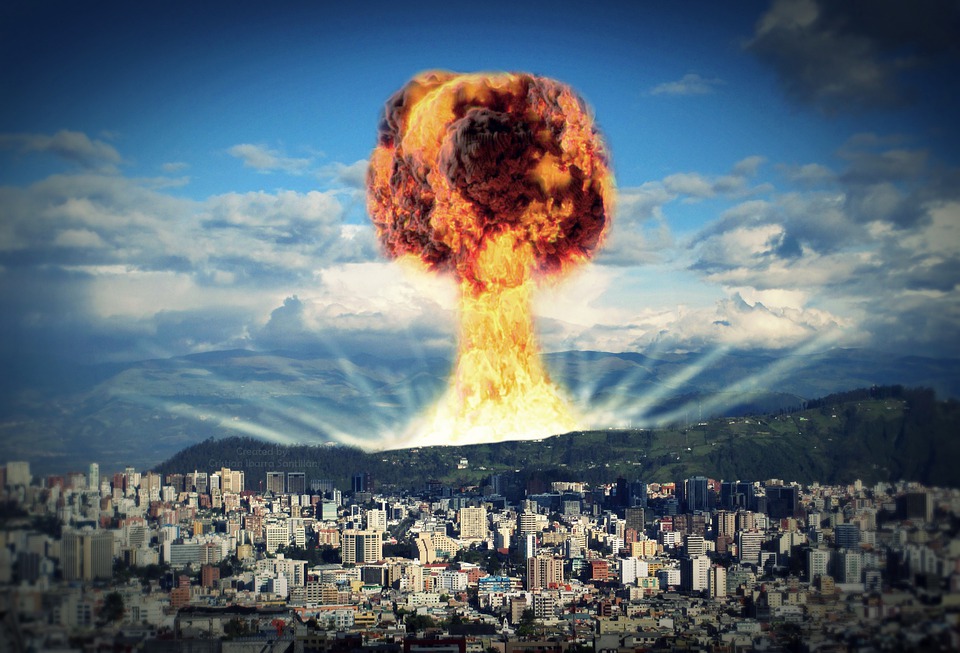
Despite Iran’s insistence of its developing a peaceful nuclear program, its tensions with the United States over the aspect have increased fears of a world war 3-type of a situation happening. With Iran warning the US to return to the nuclear deal, Germany has also weighed in, warning Iran against its possible decision to ban UN nuclear inspectors.
On Monday, Iran announced that it will be restricting an inspection from the United Nations’ nuclear watchdog the International Atomic Energy Agency next week. Germany has since issued a warning to the Islamic nation against making such a move, calling the restriction “unacceptable.” Iran demanded the countries that are part of the 2015 nuclear deal to abide by the terms set forth in the agreement or it would purposely breach the agreement. Iran also warned that it would ramp up its efforts of uranium enrichment following the murder of its top nuclear scientist Mohsen Fakhrizadeh in 2020.
“It would be completely unacceptable should Iran obstruct IAEA inspections,” said a German diplomatic source. “We urge Iran to refrain from this step and are in close contact regarding this issue with our partners, including the United States.”
The tensions over the nuclear deal began as both Iran and the US withdrew from the nuclear deal, with the US leaving under the Trump administration and instead imposing economic sanctions on the Islamic nation. With Joe Biden now as president, he has pledged to bring the US back to the nuclear deal if Iran would cease its uranium enrichment. However, Biden has reimposed the Trump-era sanctions on Iran. Iran’s Supreme Leader Ayatollah Khamenei has responded by demanding that the US lift all sanctions on the Islamic nation if it wants Iran to uphold the nuclear agreement.
China’s growing presence and geo-political conflicts with other countries including the US is also raising concerns of a possible world war 3-type of situation happening. Beijing, under President Xi Jinping’s direction, deployed Chinese ships armed with cannons into Japan’s waters. The ships were sent into the East China Sea in the vicinity of the Senkaku Islands, a point of contention between the two countries who both claim control. China’s deployment of vessels has since received backlash as the Communist nation is now accused of breaking international law.







