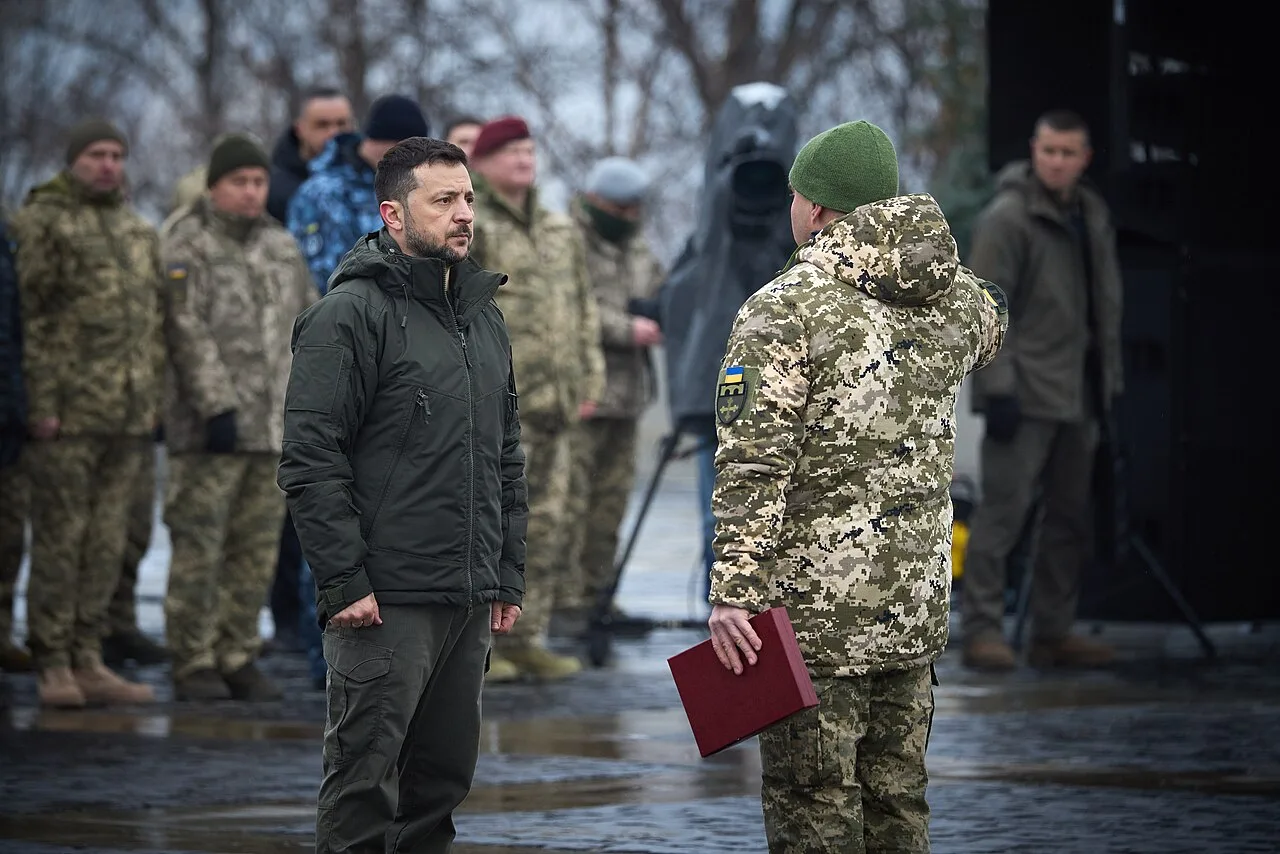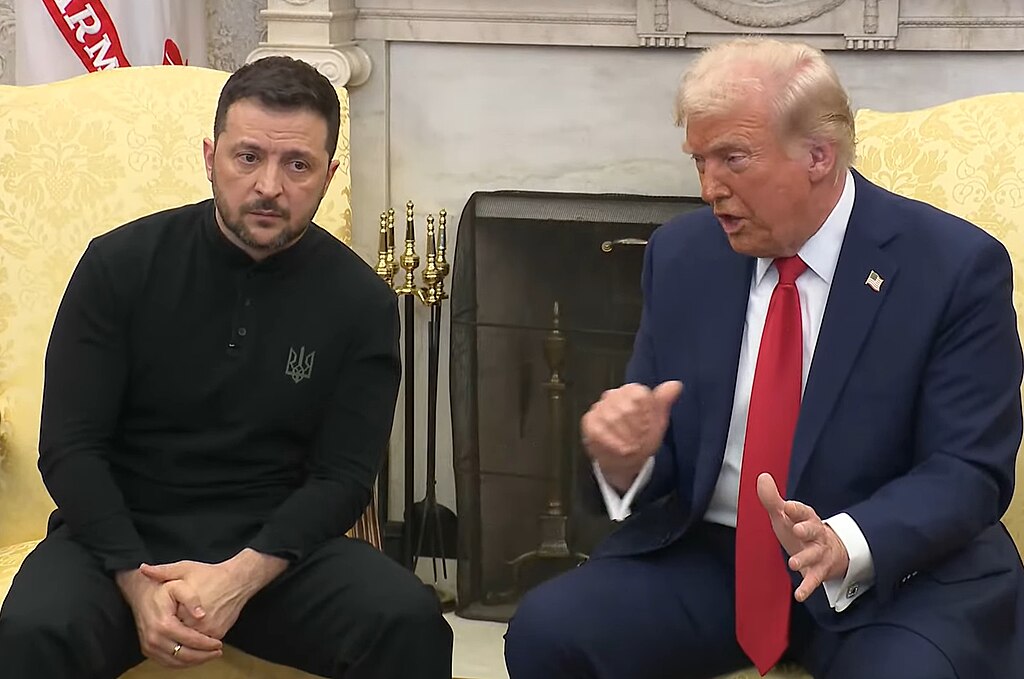
Ukrainian President Volodymyr Zelenskiy has called for a direct meeting with U.S. President Donald Trump to resolve the most sensitive elements of a potential peace agreement with Russia, particularly issues related to territorial control. His remarks came after the latest round of U.S.-Ukrainian talks, signaling cautious progress toward ending the war that began with Russia’s full-scale invasion in 2022.
Speaking to reporters in comments released by his office on Wednesday, Zelenskiy said Ukrainian and U.S. delegations had moved closer to finalizing a 20-point framework during talks held over the weekend in Miami. He described the document as a foundational political framework involving Ukraine, the United States, Europe, and Russia, aimed at ending the conflict. According to Zelenskiy, while technical and security matters can be discussed at lower levels, questions of territory must be decided by national leaders.
The push for renewed diplomacy comes as Trump continues to state his desire to end what he has called Europe’s deadliest war since World War Two. However, Kyiv has expressed concerns over earlier U.S.-backed peace drafts that appeared to align with Moscow’s demands, including territorial concessions, limits on Ukraine’s armed forces, and a commitment to avoid future military alliances. Ukrainian officials argue such terms would leave the country vulnerable to renewed Russian aggression.
Zelenskiy noted that the new 20-point framework represents a significant evolution from an earlier 28-point proposal discussed primarily between the United States and Russia. Under the updated framework, Ukraine would maintain its armed forces at their current level of roughly 800,000 troops. Additional agreements with the United States and European partners would provide what Zelenskiy described as strong and enforceable security guarantees, including mechanisms to monitor compliance and respond to any renewed Russian attacks.
The talks also addressed post-war reconstruction and investment, highlighting the economic dimension of any future peace deal. Despite progress, major disagreements remain unresolved. Zelenskiy said Ukraine’s position is to freeze the conflict along current front lines, while Russia is demanding that Ukrainian forces withdraw from the entire Donetsk region, where Moscow controls most but not all territory.
The status of the Russian-occupied Zaporizhzhia nuclear power plant also remains undecided. Zelenskiy said Kyiv has proposed creating a small economic zone around the site. The 20-point proposal will now be reviewed by Moscow, after which the next steps in the peace process will be determined.