


 European Natural Gas Prices Hold Near Three-Week Lows Amid Middle East Talks and Supply Concerns
  US Supreme Court Lets $655.5 Million Judgment Against Palestinian Authorities Stand During Appeal
  25 Democratic-Led States Sue Trump Administration Over New Global Tariffs
  Asian Stocks Rally as AI Optimism Lifts Tech Shares Across Regional Markets
  KOSPI Drops Nearly 5% as Samsung, SK Hynix Lead AI Stock Selloff
  Asian Currencies Mixed as Yen Retreats, Traders Eye U.S.-Iran Talks and Fed Data
  Michigan Democratic Senate Primary: Abdul El-Sayed Leads Haley Stevens in Closely Watched Race
  Former House Appropriations Chair Kay Granger Dies at 83
  India Plans Tax Reforms to Boost Foreign Investment and Manufacturing
  Israel Strikes Gaza as Trump Ceasefire Push Faces Fresh Challenges
  Trump Urges Exxon, Chevron to Cut Gas Prices After Record Oil Profits
  Taiwan Says U.S. Military Cooperation Is Stronger Than Many Realize
  Oil Prices Extend Three-Day Decline as Hopes Rise for U.S.-Iran Strait of Hormuz Deal
  RBI Holds Repo Rate at 5.25% as Inflation Risks and Global Uncertainty Persist
  US Continues Ukraine Patriot Missile Production Talks Despite Trump’s Concerns
  Brown University President Christina Paxson to Step Down After Clashes With Trump Administration


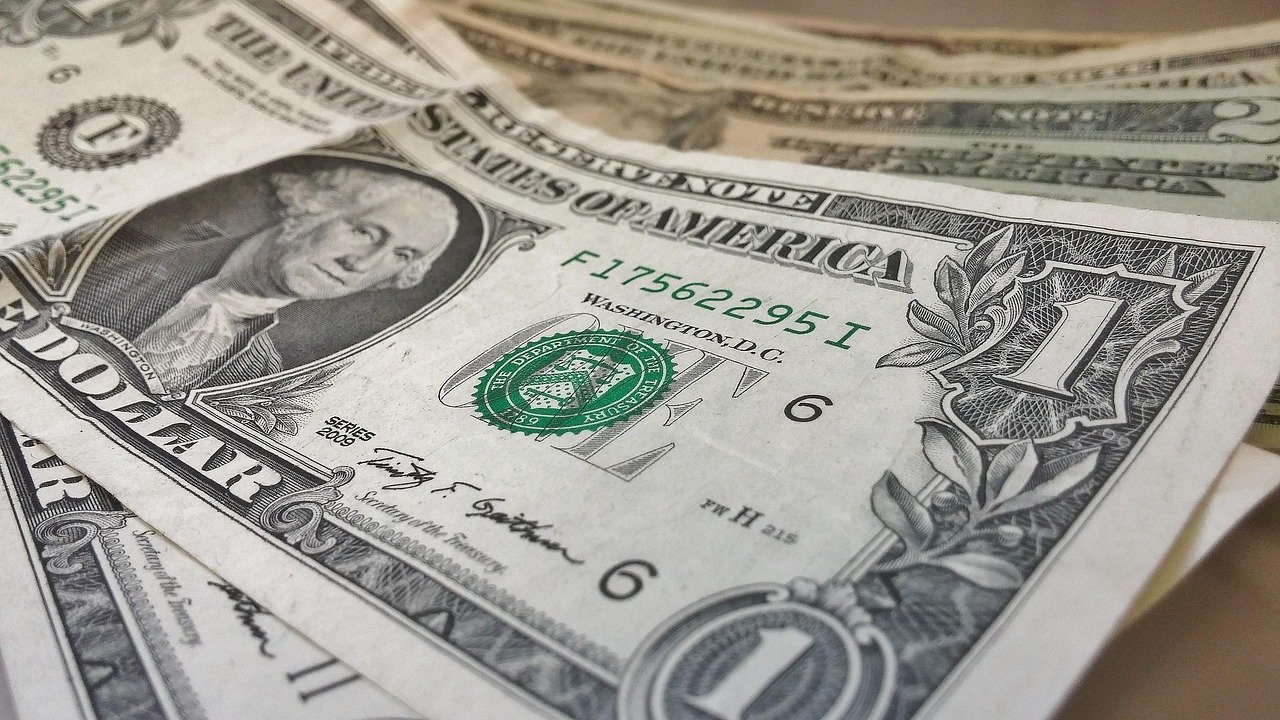
The United States has resumed limited shipments of U.S. dollars to Iraq after a months-long suspension, according to a report by The New York Times citing two senior aides to Iraqi Prime Minister Mohammed Shia al-Sudani. The move signals a partial easing of financial restrictions, although broader security-related measures imposed by Washington remain in effect.
Haider al-Aboudi, spokesperson for the Iraqi prime minister, confirmed to the newspaper that U.S. dollar transfers to Iraq have restarted. The report also cited Mudhar Muhammad Salih, a financial adviser to the prime minister, who separately confirmed that the cash shipments had resumed.
The dollar transfers were halted in April when the United States blocked an estimated $500 million cash shipment destined for Iraq. At the same time, Washington suspended portions of its security cooperation with Baghdad as part of a broader effort to pressure the Iraqi government over the activities of Iran-backed militias operating within the country.
According to the report, while the resumption of dollar shipments represents a significant financial development, the suspension of certain U.S. security assistance and cooperation programs with Iraq remains in place. The measures continue to reflect ongoing concerns about regional stability and the influence of armed groups backed by Iran.
The White House, the U.S. Department of State, and the U.S. Treasury Department did not immediately respond to requests for comment outside normal business hours. Reuters also noted that it could not independently verify the New York Times report.
The restrictions were originally introduced amid heightened tensions following the Iran war, during which the United States accused Iran-backed militias of carrying out repeated attacks on American facilities in Iraq. Those incidents included strikes targeting the U.S. Embassy in Baghdad and the U.S. Consulate in Iraq’s Kurdistan region.
The resumption of U.S. dollar shipments could help improve liquidity within Iraq’s financial system and ease pressure on the country's banking sector. However, with security cooperation still partially suspended, relations between Washington and Baghdad remain influenced by ongoing regional security concerns, geopolitical tensions, and efforts to curb the activities of Iran-backed armed groups.







