


 Binance to Shut Down Crypto Mining Pool Services on November 10
  Morgan Stanley Predicts $10 Trillion RWA Market by 2030
  European Stocks Rise as Oil Prices Fall Ahead of US CPI
  Gold Prices Rebound as Dollar Weakens Ahead of US Inflation Data
  Global Stocks Mixed as Oil Falls Ahead of US Earnings
  Moonshot AI Executives Seek Settlement Ahead of Hong Kong IPO
  Albertsons Seeks $9.3 Billion From Kroger Over Failed Merger
  Trump Calls for Zelenskyy Replacement Amid Russian Diesel Deal
  Trump Secures Russian Diesel Deal as US Fuel Prices Surge
  IMF, World Bank Meetings Face Global Economic Risks Amid Iran War
  Airbus Tests Valkyrie Combat Drone in Europe for Eurofighter Integration
  Asian Currencies Steady as Dollar Nears 18-Month High Ahead of US CPI
  Oil Prices Fall as Russia Signals Higher Diesel Exports
  RBA Signals More Rate Hikes as Inflation Risks Rise
  Russia Approves Sberbank for Crypto Exchange Services
  Fed's Hammack Urges Faster Rate Hikes to Fight Inflation


 Add as a preferred source on Google
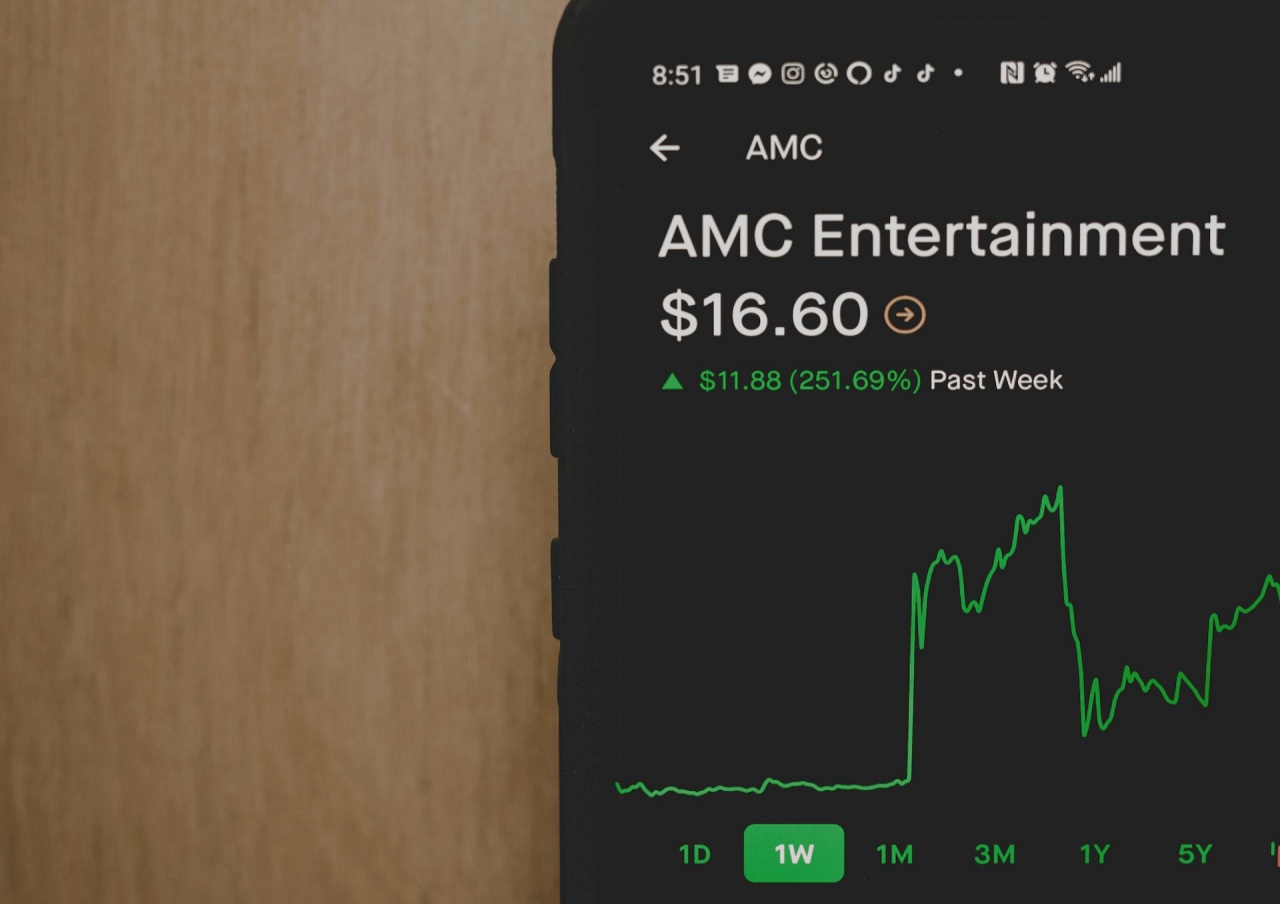
AMC Theatres is selling up to 425 million APE preferred shares to raise money and pay its debts. APE is a new type of preferred equity unit that was issued by AMC Entertainment last month, and its trading commenced on Aug. 22.
AMC revealed on Aug. 4 that it would pay dividends to all common stockholders in preferred stock. The cinema chain applied to list this preferred entity on the New York Stock Exchange (NYSE) under the symbol “APE”, which the retail investors who helped bail out the company from bankruptcy last year agreed on.
According to The Hollywood Reporter, after the company announced its AMC Preferred Equity units to investors, it reached an agreement with Citigroup Global to start selling the APE. The company made a distribution deal to sell its new preferred share class after they were given out as dividends to shareholders.
In a filing at the Securities and Exchange Commission on Monday, Sept. 26, AMC stated that it has a deal with Citigroup Global, which is to serve as its sales agent for APE. The company said the banking and financial services firm may offer and sell 425 million of the theater chain’s preferred equity units.
“You could lose all or part of your investment,” AMC stated in the disclosure document that describes a financial security for potential buyers. “The risks and uncertainties discussed in this prospectus or in any document incorporated by reference into this prospectus are not the only risks and uncertainties that we face, and additional risks and uncertainties not presently known to us or that we currently deem immaterial may also affect our business, results of operations or financial condition.”
Meanwhile, The Wrap previously reported that the stock price of AMC Theatres plummeted by 40% as it prepares to launch its new APE trading units in August. Even if the company said that it would help lessen AMC’s huge debt load, the share price dipped at that time, and this may be due to the fears of stock dilution. It was also pointed out that the drop came as Cineworld confirmed it is considering a bankruptcy filing in the United States and other regions to contain its debt issues sparked by the COVID-19 pandemic.







