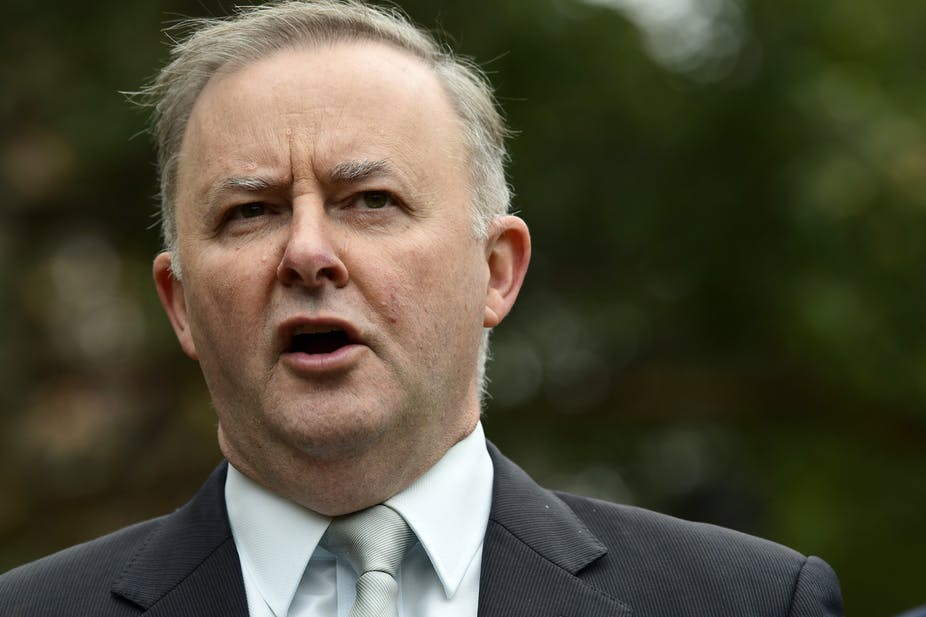
Australian Prime Minister Anthony Albanese campaigned in opposition leader Peter Dutton’s seat on the final day before Saturday’s federal election, with opinion polls showing Labor leading the conservative Liberal-National coalition. The campaign has been shaped by cost-of-living pressures, housing affordability, and rising global uncertainty tied to Donald Trump’s unpredictable trade policies.
Australia’s mandatory voting system has seen nearly 7 million of 18 million eligible voters already cast ballots early, according to the Australian Electoral Commission. Although all major polls show Labor ahead on a two-party preferred basis, a hung parliament remains a possibility.
Dutton, once ahead in February polls, has lost ground amid criticism over his stance on climate policy, public sector cuts, and a controversial push for nuclear power. Labor leader Albanese capitalized on this shift, urging voters to avoid “cuts and chaos” and promising a stable plan for Australia’s future. In contrast, Dutton asked voters whether their lives had improved over the past three years under Labor, warning of economic strain on families and small businesses.
A RedBridge-Accent poll published Thursday placed Labor at 53% to the Coalition’s 47%, with voter concern over Dutton’s energy plans and Trump’s global influence playing a role. An Australian Financial Review/Freshwater poll released Friday showed a narrower 51.5%-48.5% Labor lead.
Albanese said he would not form alliances with minor parties or independents, distancing himself from past minority governments. He traveled across key battleground states, including Tasmania, Victoria, and New South Wales, aiming to shore up support in outer suburban areas where Labor is vulnerable.
With many voters still undecided, the outcome may hinge on last-minute impressions and voter sentiment shaped by economic anxiety and global instability.