


 Microsoft to Reveal Azure Revenue in Major Reporting Shake-Up
  Trump Orders U.S. Navy to Return to Steam Catapults for Aircraft Carriers
  SEC Probes Banks Over Situational Awareness Hedge Fund Collapse
  Anthropic IPO Marketing Expected to Start in Mid-October
  Apple’s Phil Schiller Steps Back as Leadership Shake-Up Accelerates
  U.S. Issues Cuba Health Alert as Illnesses Rise
  Adobe Names Anil Chakravarthy CEO as AI Push Accelerates
  Longsys Raises $903 Million in Hong Kong IPO as Shares Debut Flat
  Qantas Near-Miss Raises Sydney Air Traffic Controller Fatigue Concerns
  Texas Republicans Turn Against AI Data Centers as Election Backlash Grows
  GLP-1 Weight-Loss Drug Use Surges Among U.S. Children
  Deutsche Telekom Shares Rise as Elliott Pushes Against T-Mobile Merger
  SpaceX Mobile Network Could Cost Up to $130 Billion, Bernstein Says
  France Targets Shein, Temu With Fast-Fashion Fees
  Google Changes EU Spam Policy Amid Antitrust Scrutiny
  US Tightens Cuba Sanctions, Targets Officials and State Entities
  Huawei Launches Mate XT2 Foldable Phone in China


 Add as a preferred source on Google
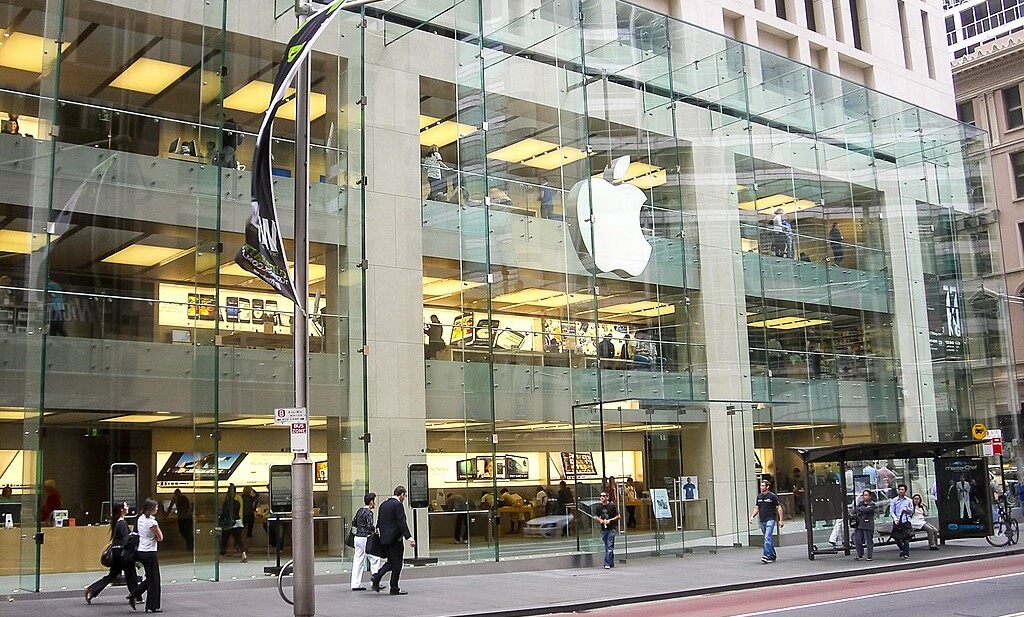
Apple has announced significant changes to its App Store policies in the European Union following pressure from the bloc’s antitrust regulators. These updates aim to align with the EU’s Digital Markets Act (DMA) and avoid hefty daily fines of up to €50 million ($58 million).
Developers using Apple’s in-app payment system will now be charged a 20% fee, reduced to 13% for those in Apple’s small business program. Importantly, developers can now direct users to external payment systems, subject to a fee ranging from 5% to 15%. Apple will also allow unlimited links to outside payment methods—removing prior restrictions that were deemed anti-competitive by EU regulators.
This policy revision follows a €500 million ($580 million) fine imposed on Apple in April for non-compliance. The European Commission stated it would review the latest changes, emphasizing the need for feedback from developers and other stakeholders to assess Apple’s compliance with the DMA.
Apple expressed disagreement with the Commission’s ruling and confirmed plans to appeal. Despite the updates, some critics argue Apple is still limiting true competition. Epic Games CEO Tim Sweeney, a vocal opponent of Apple’s App Store policies, criticized the new rules on social media, calling them “a mockery of fair competition,” citing the continued financial burden on developers using alternative payment options.
The EU’s push for digital market fairness continues to reshape how tech giants like Apple operate, especially regarding app monetization and developer freedom. The Commission’s final decision will depend on ongoing evaluations and feedback from the broader digital ecosystem.







