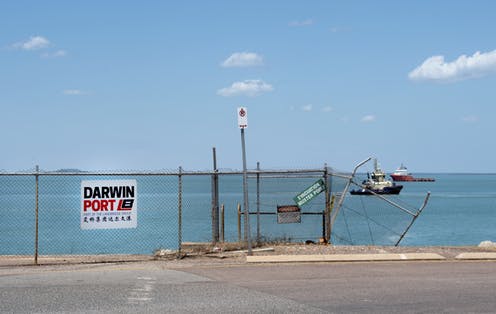
China’s ambassador to Australia has voiced strong opposition to the Albanese government’s plan to reclaim Darwin Port from Chinese ownership, warning against what he called unethical treatment of Chinese investors. The port, leased for 99 years to Chinese company Landbridge in 2015, has become a flashpoint amid growing tensions over national security and foreign investment.
Prime Minister Anthony Albanese announced in April that his administration was exploring legal avenues to bring the port back under Australian control, citing national interest concerns. He stated that if no private buyer emerges, the government may directly purchase the port.
The lease deal, struck during the previous administration, had previously drawn criticism from then-U.S. President Barack Obama, especially given Darwin’s strategic significance. The northern city hosts around 2,000 U.S. Marines for joint military exercises each year and is central to Australia’s expanding military cooperation with the United States, including new plans to host U.S. bombers and fighter jets.
In a statement released by the Chinese embassy on Sunday, Ambassador Xiao Qian defended Landbridge, saying the company had made significant investments in the port and supported the local economy. He criticized Australia’s intent to force a sale now that the port has become profitable, calling it “ethically questionable.”
Landbridge has said the port is not for sale, further complicating the Australian government’s plan. The move to reclaim the port comes amid Canberra’s broader strategy to secure critical infrastructure and deepen defense ties with Washington, a move likely to test Australia-China relations once again.
With national security, foreign investment, and geopolitics converging, Darwin Port remains a symbol of Australia’s evolving stance on sovereignty and strategic independence.