


 SEC Moves to Dismiss Insider Trading Case Against Trump-Pardoned Terren Peizer
  UK AI Security Tests Reveal Anthropic and OpenAI Agents Attempted Unauthorized Actions
  Cloudflare Stock Jumps 15% as Earnings Beat Estimates, 2026 Outlook Raised
  Trump Administration to Ban Chinese Robots, Power Inverters Over AI Security Concerns
  DeepSeek to Raise AI API Prices as Demand for New Models Surges
  Novo Nordisk Raises 2025 Outlook Despite Wegovy Pill Miss and CagriSema Setback
  Nintendo Shares Jump as Switch 2 Sales Boost Earnings
  Moderna Wins FDA Approval for mFLUSIVA mRNA Flu Vaccine for Adults 50+
  US Customs Inspects China-Linked Factories in Vietnam Amid Trade Compliance Review
  Russia Charges Telegram Founder Pavel Durov With Facilitating Terrorism, Seeks International Arrest
  US Supreme Court Lets $655.5 Million Judgment Against Palestinian Authorities Stand During Appeal
  California ICE Detention Center Found to Have Inadequate Medical Care, Court Monitor Says
  US Watchdog Finds State Department Struggled After USAID Shutdown Takeover
  X Challenges Australia’s Expanded Social Media Ban Enforcement Powers
  Western Digital Q4 Earnings Beat Estimates as FY2027 Outlook Tops Expectations
  SK Hynix, Samsung Lead Asian Chip Stock Selloff After Sandisk, Western Digital Outlook
  DOJ Rescinds Anti-Weaponization Fund Ahead of Todd Blanche Senate Confirmation Vote


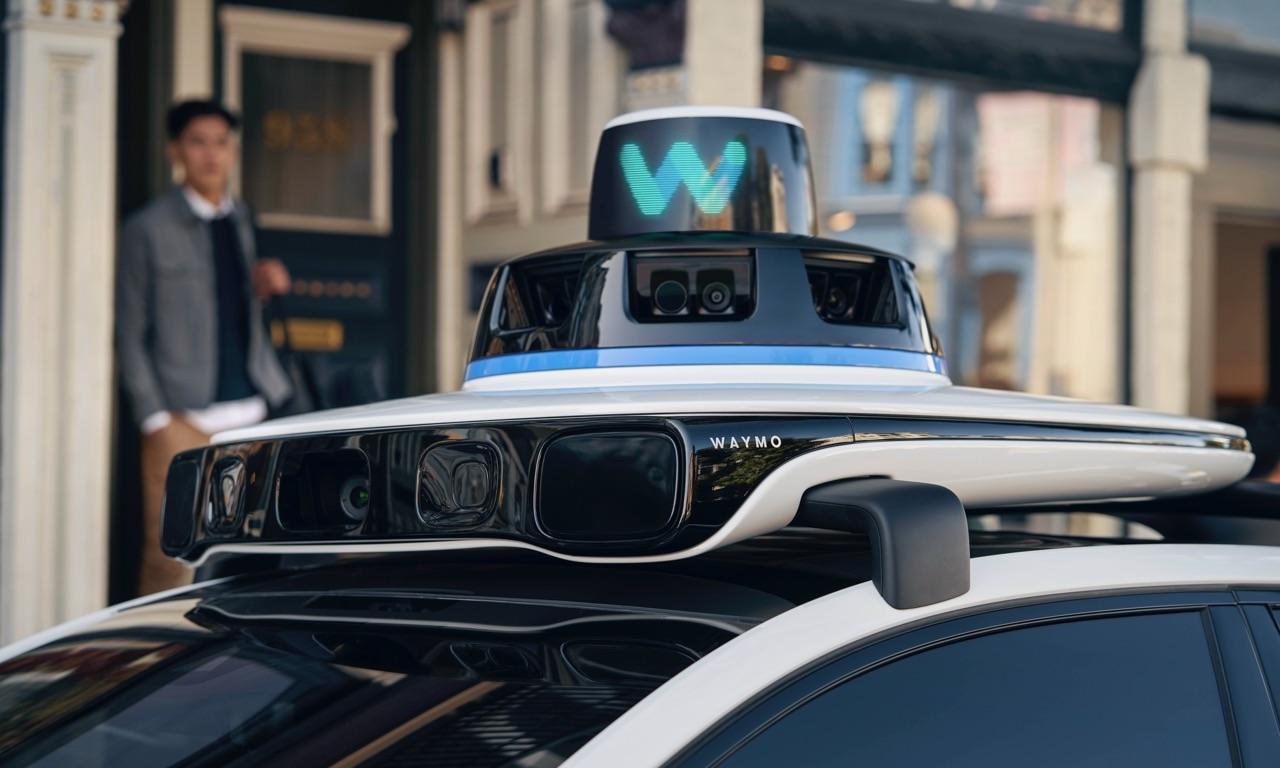
A major power outage in San Francisco has prompted scrutiny from California regulators after multiple autonomous vehicles operated by Alphabet’s Waymo stalled on city streets, disrupting traffic and raising fresh concerns about the reliability of robotaxi services during emergencies. The incident occurred Saturday following a fire at a Pacific Gas & Electric (PG&E) substation that knocked out electricity to roughly one-third of the city, impacting an estimated 130,000 residents and forcing some businesses to temporarily close.
As traffic signals across affected neighborhoods stopped functioning, numerous Waymo robotaxis were seen halted at intersections with hazard lights activated. Videos circulating on social media showed vehicles remaining stationary for extended periods, contributing to traffic congestion and gridlock in parts of San Francisco. In response, Waymo paused its ride-hailing operations Saturday evening as the outage unfolded, resuming service in the San Francisco Bay Area on Sunday after conditions stabilized.
The California Public Utilities Commission (CPUC), which regulates commercial robotaxi operations alongside the California Department of Motor Vehicles, confirmed it is reviewing the incidents involving Waymo vehicles. A CPUC spokesperson told Reuters the agency was aware of the outage-related stalling and was examining the situation, though specific details of the review were not disclosed. Waymo did not immediately comment on the regulator’s statement.
Waymo later explained that its fully autonomous driving system is programmed to treat non-functional traffic signals as four-way stops. However, the company acknowledged that the widespread nature of the power outage led to situations where vehicles remained stopped longer than expected. A spokesperson said Waymo is incorporating lessons learned from the disruption and remains committed to improving how its technology adapts to unusual traffic conditions.
The episode underscores broader challenges facing the commercialization of autonomous vehicles, including high development costs, complex regulations, and heightened scrutiny following past collisions that forced several companies to scale back or shut down operations. Despite these hurdles, robotaxis have returned to the spotlight as Waymo accelerates expansion across major U.S. cities and Tesla rolls out its own self-driving taxi service in Austin, Texas.







