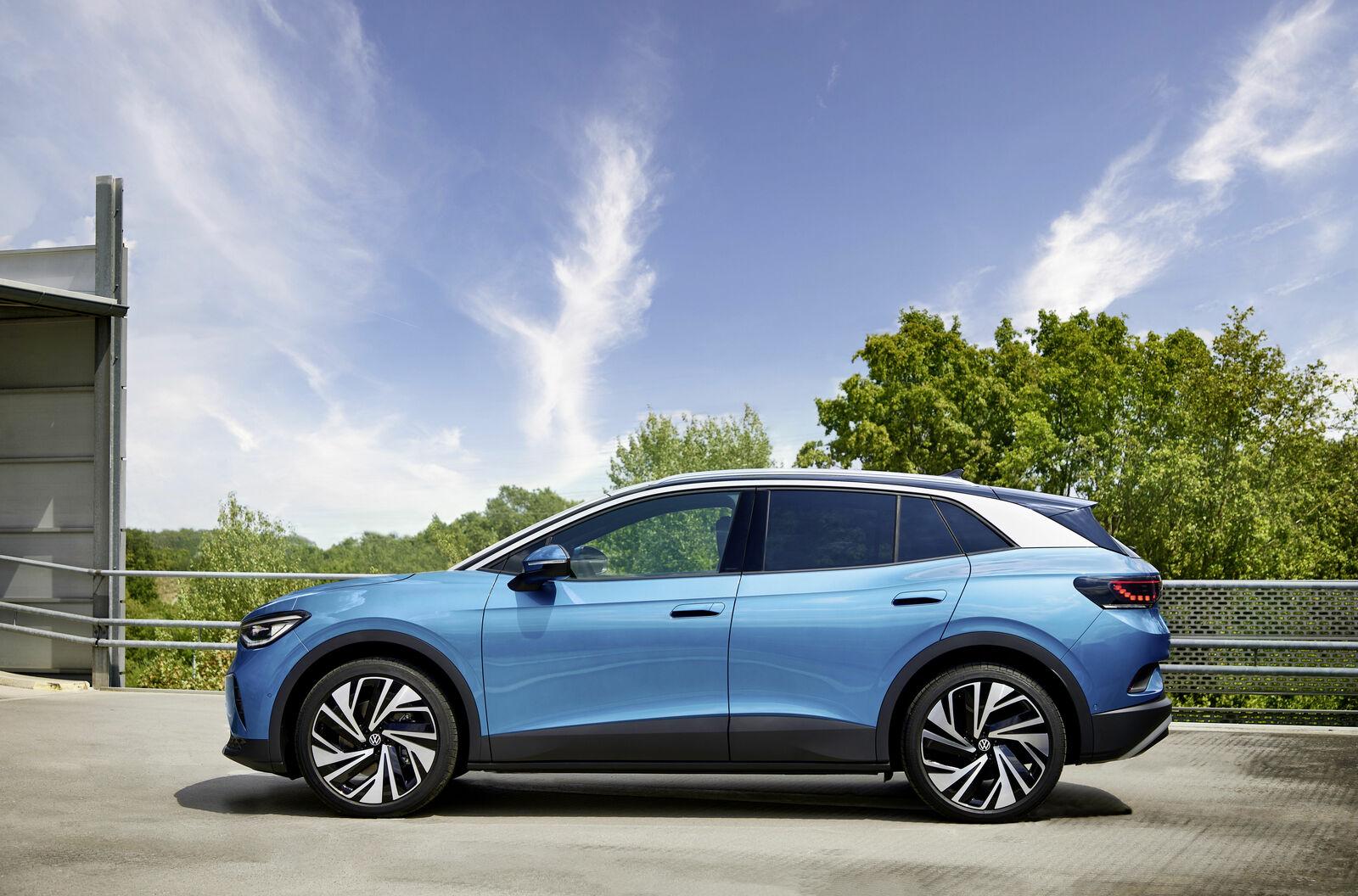
The U.S. Treasury announced changes to the eligibility of electric vehicle (EV) tax credits in the United States, affecting several popular models. These changes are part of the government's efforts to reshape the EV supply chain and reduce reliance on China.
Changes in Eligibility
The Times of India reported that the new guidelines, issued in December, have significantly reduced the number of EV models eligible for tax credits from 43 to 19, as per Reuters.
According to the U.S. Treasury, several EV models, including the Nissan Leaf, Tesla Cybertruck All-Wheel Drive, select Tesla Model 3s, the Chevrolet Blazer EV, Volkswagen ID.4, Tesla Model 3 Rear Wheel Drive, BMW X5 xDrive50e, Audi Q5 PHEV 55, Cadillac Lyriq, and Ford E-Transit, no longer qualify for the $7,500 tax credits.
However, Volkswagen remains optimistic about its MY2023 and MY2024 ID.4s becoming eligible under the new rules, while BMW and Nissan have not yet commented on the changes.
In response to the changes, Tesla stated on its website that Cybertruck is expected to qualify for federal tax credits later in 2024. This provides some reassurance for prospective buyers keen on this model.
Automakers Adapting to Eligibility Requirements
The Treasury has highlighted that automakers adapt their supply chains to maintain new clean vehicle credit eligibility. Ford Motor has confirmed that its E-Transit, Mach-E, and Lincoln Aviator Grand Touring plug-in hybrid models will lose tax credits, while the F-150 EV Lighting and Lincoln Corsair Grand Touring will retain them.
General Motors announced that all its EVs, except the Chevrolet Bolt, temporarily lost eligibility for tax credits. However, it expects the Lyriq and Blazer EV to regain eligibility in early 2024 after making necessary sourcing changes. Additionally, the Chevrolet Equinox EV, Chevrolet Silverado EV, GMC Sierra EV, and Cadillac OPTIQ produced post-sourcing change will be eligible for the full incentive.
2022 Inflation Reduction Act
These changes are part of the 2022 Inflation Reduction Act, which reformed the EV tax credit. The act now requires vehicles assembled in North America to qualify for the credit. As a result, nearly 70% of previously eligible EV models were eliminated.
Tesla had already announced that its Model 3 Rear-Wheel Drive and Long Range vehicles would lose federal tax credits starting January 1, while the Model 3 Performance would retain the $7,500 credit.
Photo: Volkswagen Newsroom